10 Creative Wall Painting Ideas Bedroom Unique Ideas You Haven’t Seen Before
- Color Blocking in Unexpected Shapes
- A Painted Headboard That Isn’t Really There
- Ombre Walls That Shift With the Ceiling
- Painted Wainscoting Without the Wood
- A Cloud Mural in Muted Tones
- Vertical Stripes in Varying Widths
- A Single Freehand Line Drawing
- Two-Tone Walls Split on the Diagonal
- A Painted "Frame" Around a Focal Point
- Textured Paint With a Combing Technique
10 Creative Wall Painting Ideas Bedroom Unique Ideas You Haven’t Seen Before
Your bedroom walls are basically a giant blank canvas, and yet so many of us default to the same safe beige or basic accent wall. I get it—paint feels permanent and a little scary to experiment with. But honestly, some of the most striking bedrooms I’ve seen lately didn’t come from expensive wallpaper or custom millwork. They came from someone getting a little brave with a paint brush.
If you’re tired of scrolling through the same tired “navy accent wall” suggestions, this list is for you. These are ten wall painting techniques and layouts that actually feel fresh, personal, and a little unexpected—without requiring a professional muralist or a five-figure budget.
Color Blocking in Unexpected Shapes
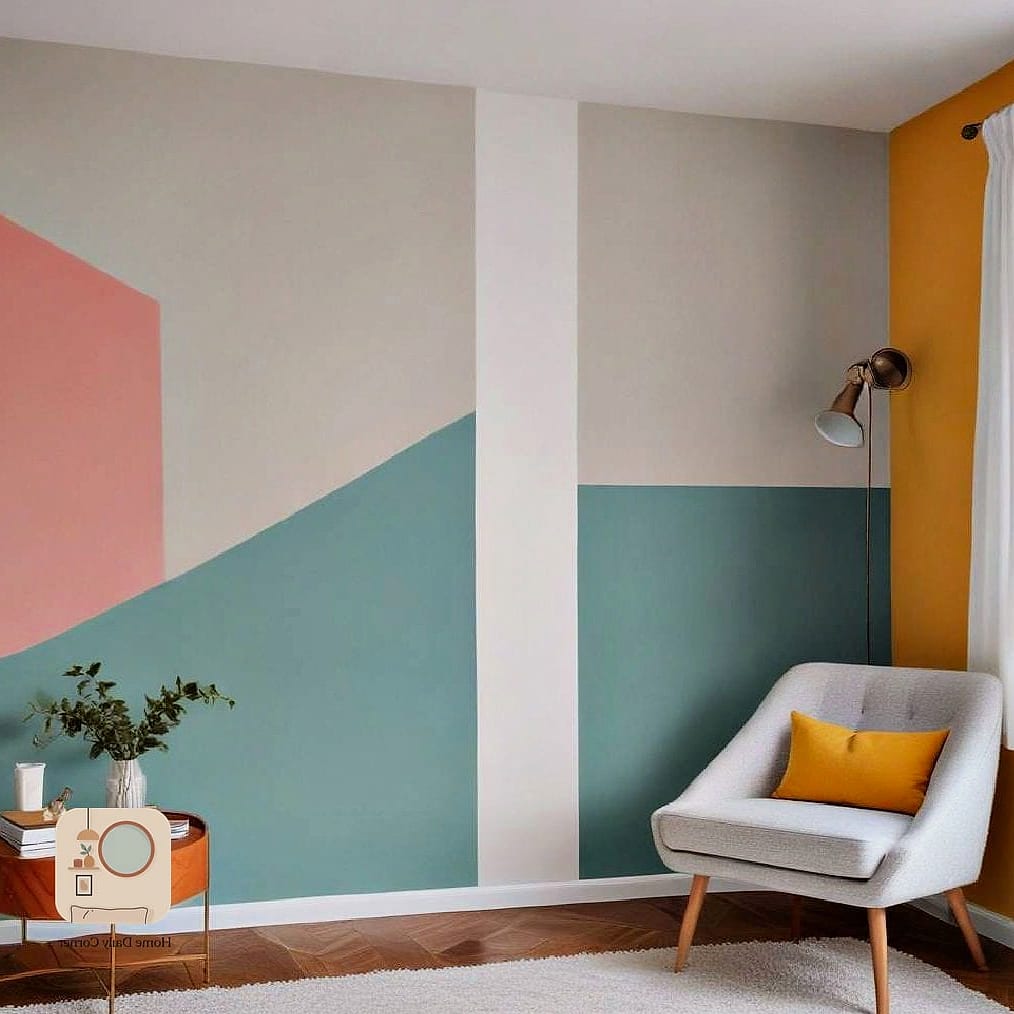
Forget the standard rectangle accent wall. Color blocking means painting large, irregular geometric shapes directly onto your wall in two or three complementary tones. Think of it like abstract art at architectural scale.
This works especially well behind a bed or on the wall opposite your window, where natural light hits the shapes at different times of day and changes how they read. Painters’ tape is your best friend here—map out your shapes in pencil first, then tape carefully before rolling on color.
I love this for renters who want drama without wallpaper, since it’s easy enough to paint back over when you move. Stick to two colors that share an undertone (like a dusty rose and terracotta) so it feels intentional rather than chaotic.
A Painted Headboard That Isn’t Really There
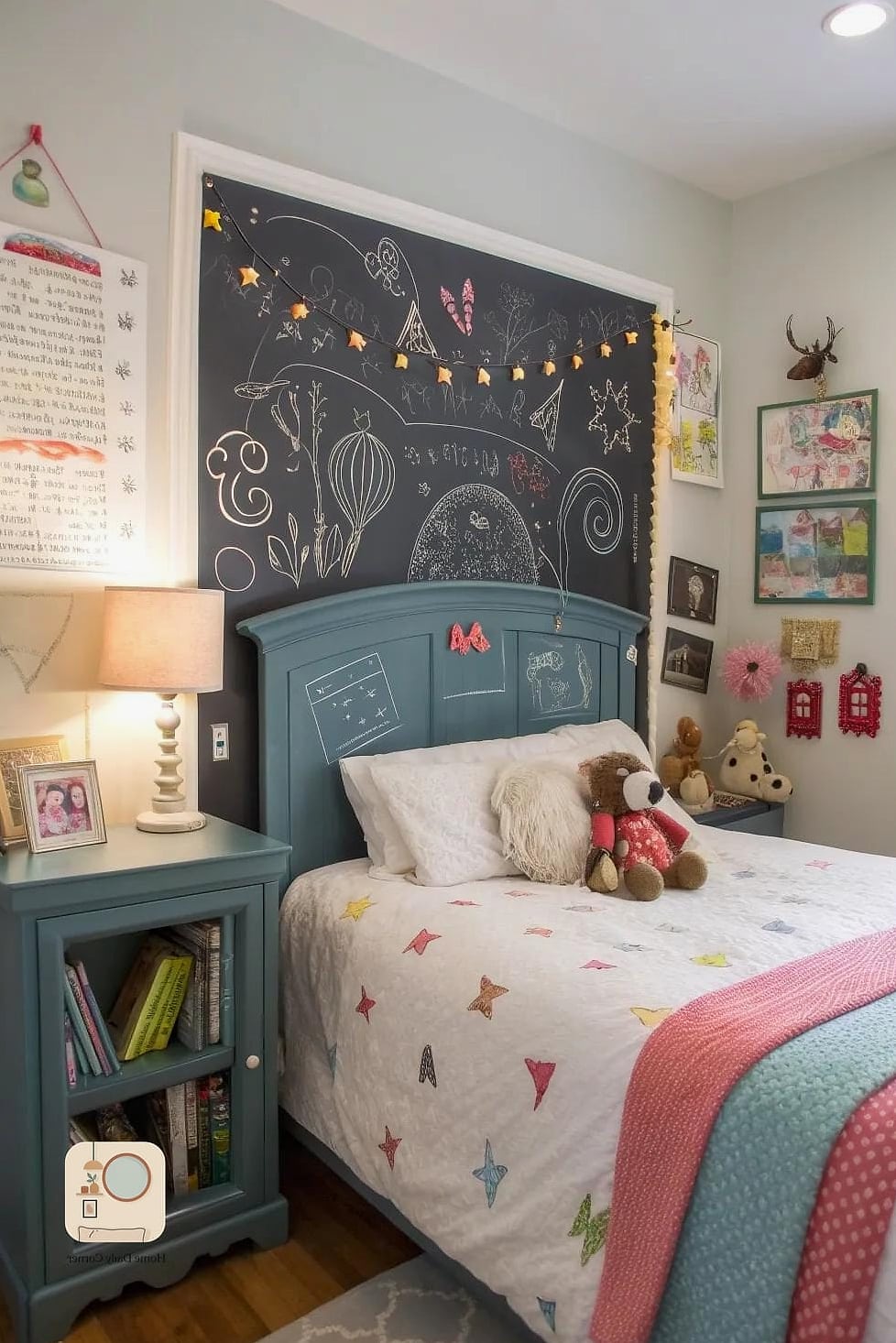
Instead of buying a headboard, paint one. This trick has been quietly popping up in small apartment bedrooms because it solves two problems at once: it anchors the bed visually and it costs basically nothing compared to furniture.
You can go simple with a solid arched or rectangular shape in a deep color like forest green or clay, or get more elaborate with a scalloped edge or a two-tone layered look. Either way, measure twice before you tape—an off-center painted headboard is way more noticeable than an off-center real one.
This is a great option for small bedrooms where a bulky headboard would eat up visual space. It’s also endlessly renter-friendly since a fresh coat of primer erases it completely.
Ombre Walls That Shift With the Ceiling
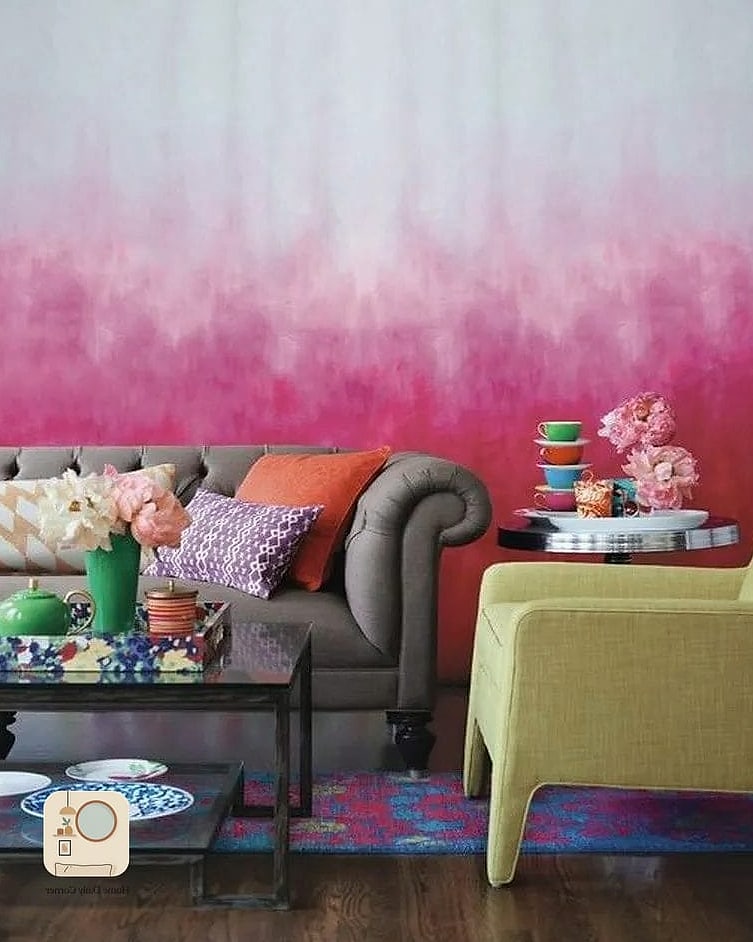
Ombre isn’t new to fashion or hair, but it’s still underused on bedroom walls. The idea is simple: pick one color family and blend it from dark at the baseboard to light near the ceiling, or vice versa.
This technique genuinely changes how a room feels—darker at the bottom creates a grounded, cozy vibe, while fading to light near the top makes ceilings feel taller. You’ll need to mix your paint in gradual increments (usually four to five shades) and blend while wet, so this one benefits from an extra set of hands.
It’s a bit more labor-intensive than a flat color, so budget an extra afternoon. But the payoff is a wall that looks custom-ordered rather than DIY.
Painted Wainscoting Without the Wood
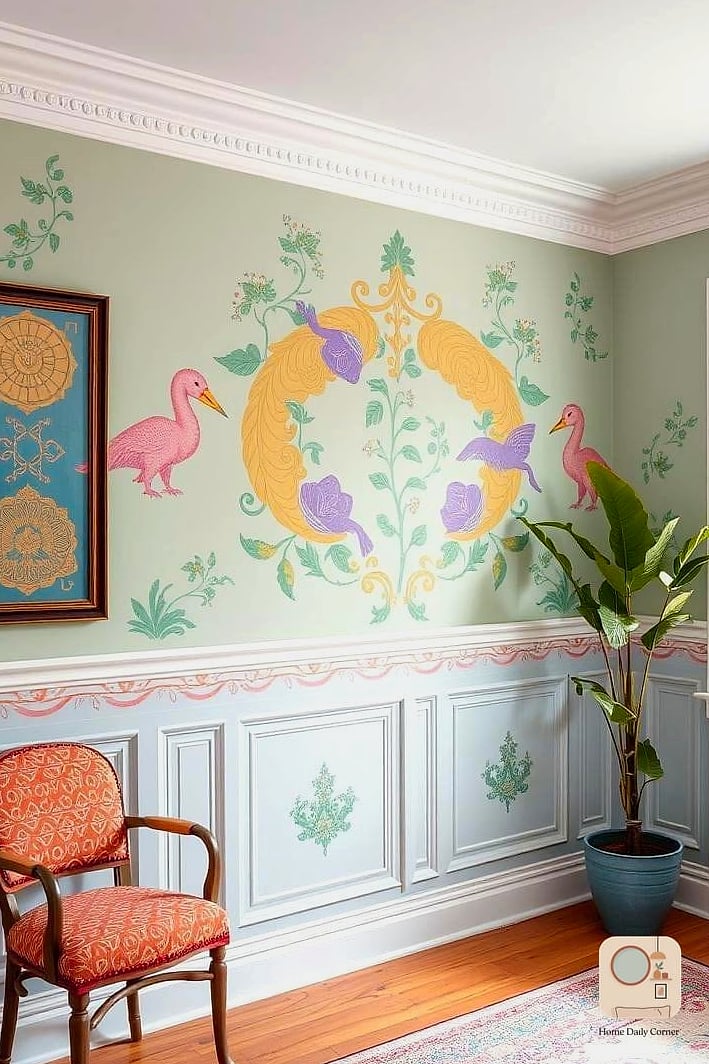
Real wainscoting means installing actual paneling, which gets expensive and messy fast. The workaround: paint a faux wainscoting line using a contrasting color and a straight strip of painter’s tape to mimic the look of a chair rail.
Paint the lower third of the wall in a deeper, richer tone and leave the upper two-thirds lighter, then add a thin painted line where they meet to fake the molding. For extra realism, some people add subtle vertical stripes below the “rail” to mimic panel seams.
This is a favorite among people who want that classic, layered bedroom look without hiring a carpenter. It also reads as more sophisticated than a plain half-and-half paint job.
A Cloud Mural in Muted Tones
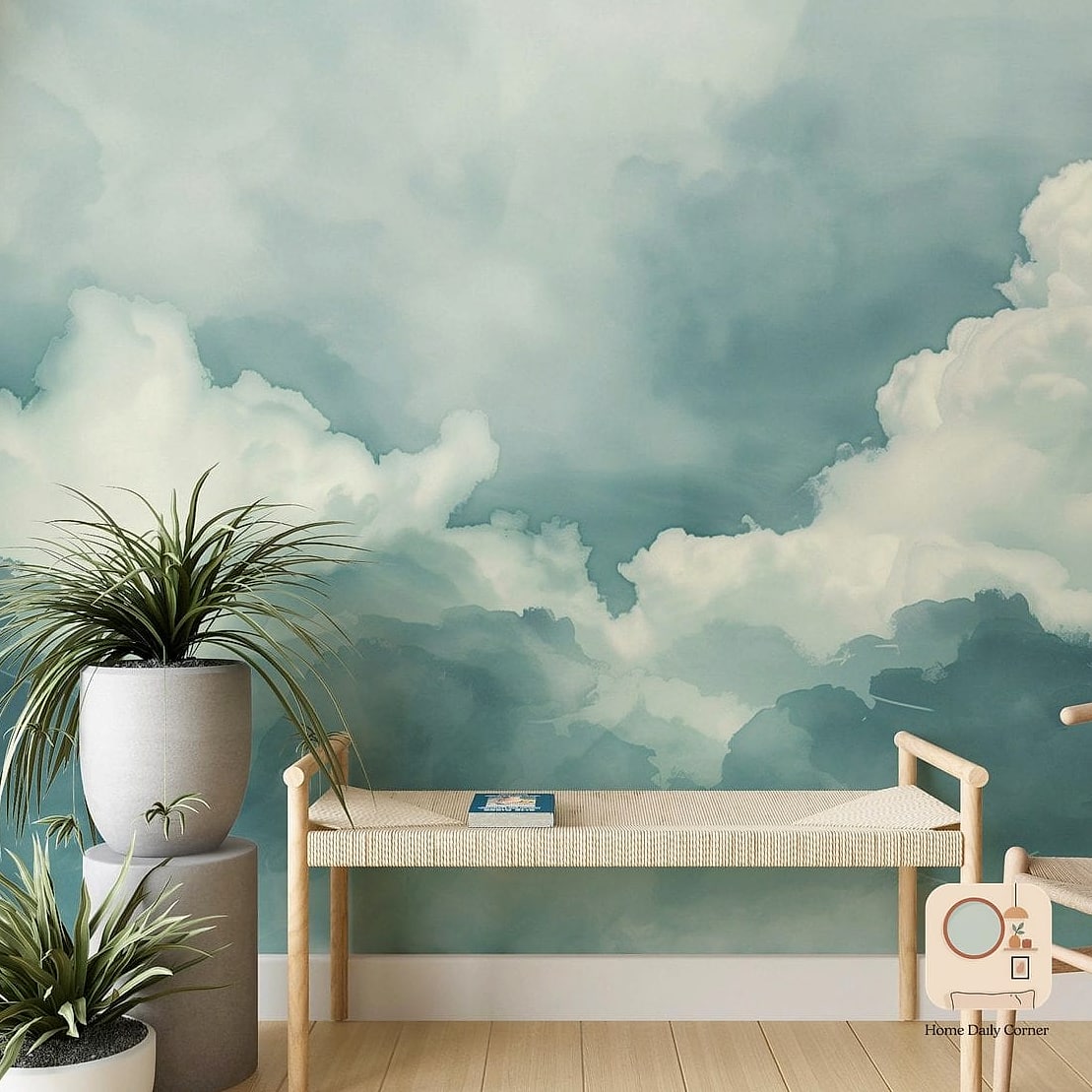
I know “cloud ceiling” sounds like something out of a nursery, but hear me out—done in soft, grown-up colors like sage, warm gray, or dusty blue instead of bright sky blue, it becomes something else entirely. Soft, irregular cloud shapes painted across a ceiling or upper wall give a room an almost dreamy, editorial quality.
You don’t need to be an artist. Load a natural sea sponge with slightly lighter and darker versions of your base color and dab in loose, cloud-like clusters. The imperfection is the point.
This idea works best in bedrooms with higher ceilings, where there’s room for the eye to travel upward. It’s a nice alternative to a plain white ceiling that still feels understated rather than theme-y.
Vertical Stripes in Varying Widths
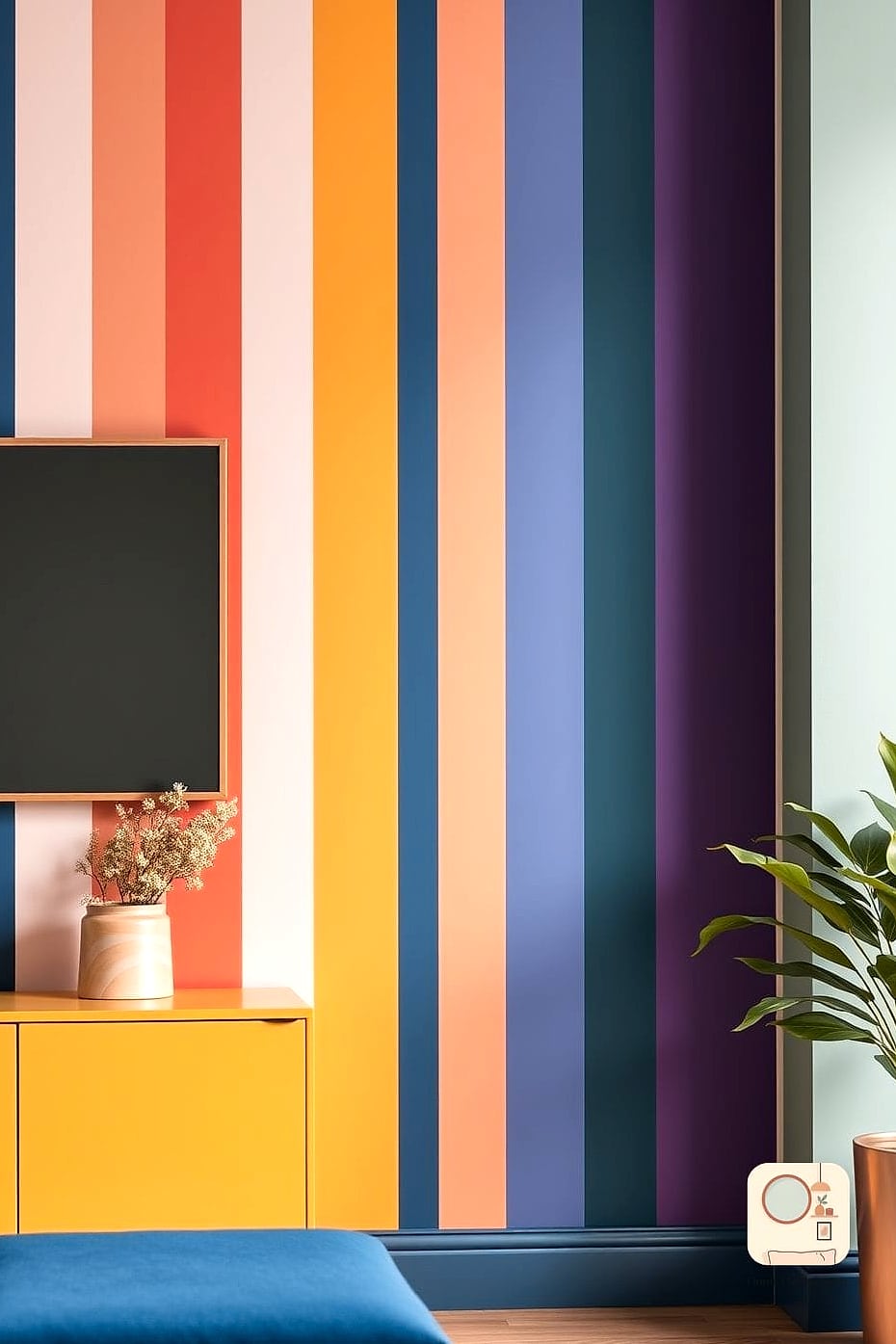
Even stripes can feel a little dated at this point, but irregular-width vertical stripes are a different story. Instead of uniform bands, vary the width—some wide, some narrow—in two tonal shades of the same color family, like blush and terracotta or sage and olive.
This creates visual rhythm without the overly formal feeling of matchy-matchy stripes. It also visually raises ceiling height, which is a nice bonus in older homes with lower ceilings.
Use a laser level to keep your lines straight even when the widths change, since crooked stripes will bother you every time you walk into the room. This is a weekend project most DIYers can tackle solo.
A Single Freehand Line Drawing
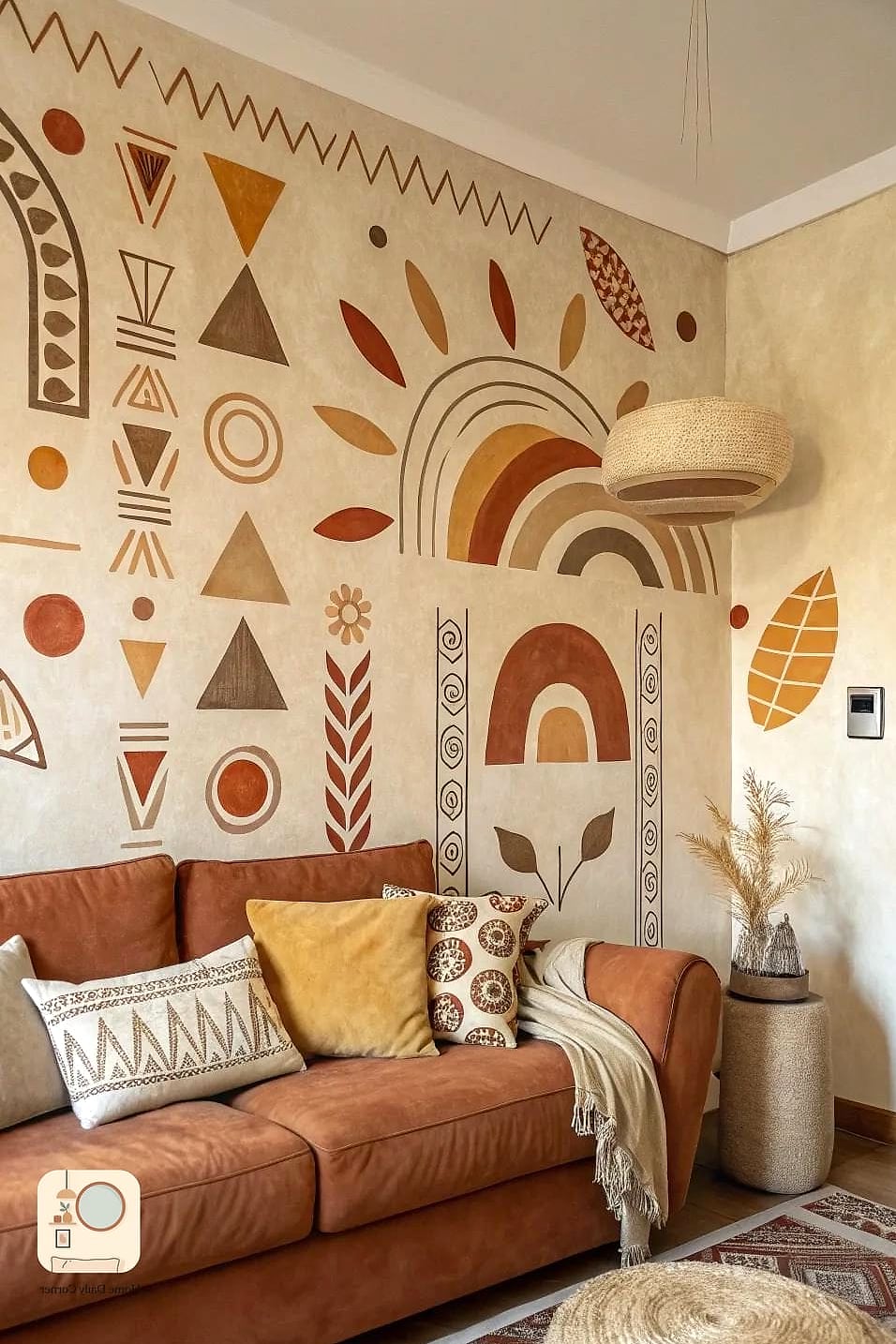
This one is having a moment in design circles, and for good reason. Using a single continuous line in a contrasting matte paint color, you sketch an abstract, minimalist shape across the wall—think of it like line art you’d see framed, except it’s painted directly onto the plaster.
It could be an abstract face, a simple landscape silhouette, or just organic looping shapes. The key is keeping the line thin (a small angled brush or paint pen works well) and letting the imperfections stay visible.
This idea is genuinely budget-friendly since it uses very little paint, and it gives you a piece of “art” you’d otherwise spend hundreds on. If freehand makes you nervous, sketch it lightly in pencil first and trace over it.
Two-Tone Walls Split on the Diagonal
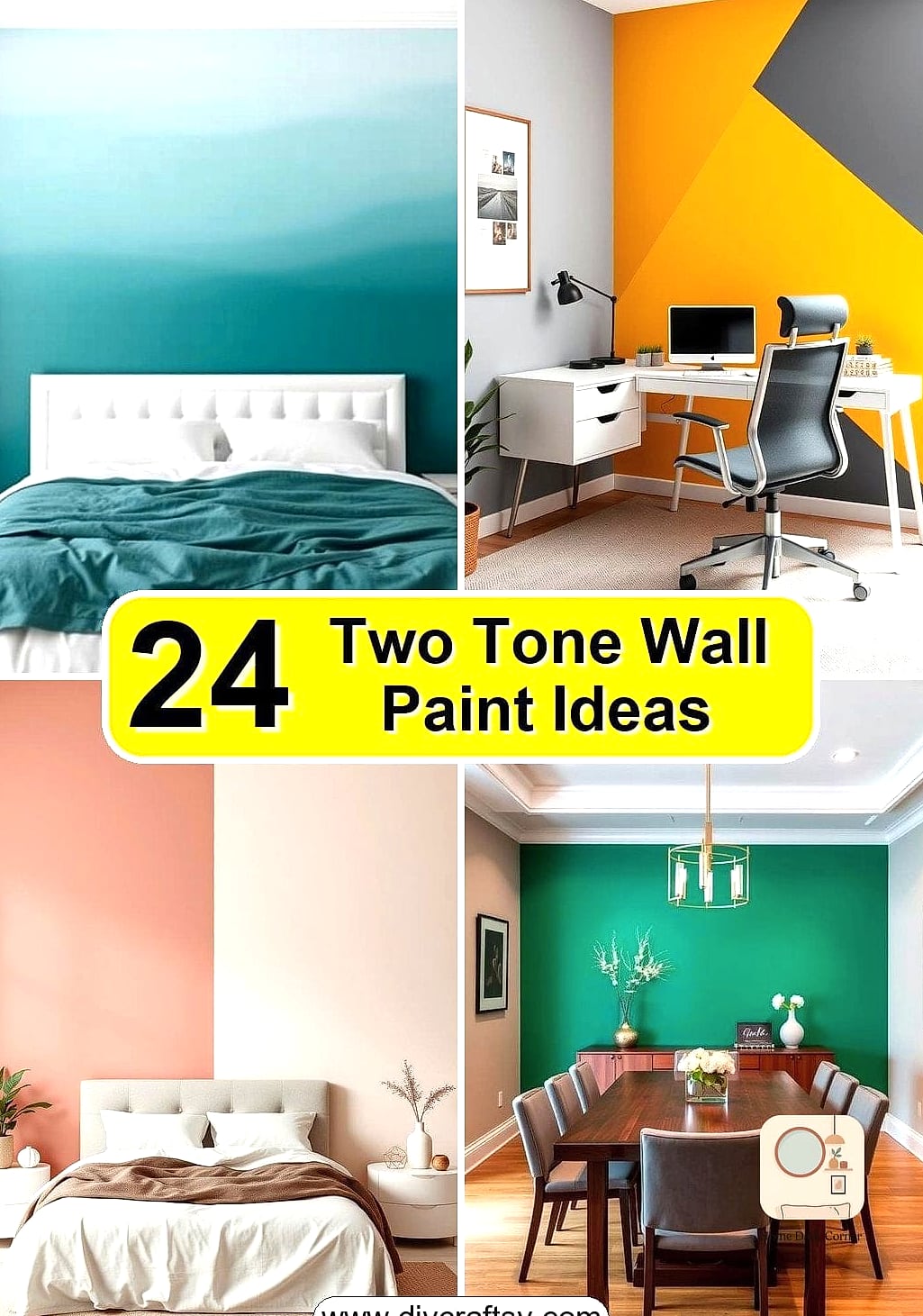
Instead of splitting a wall horizontally or vertically, try a diagonal division between two colors. It’s an unexpected angle that immediately makes a room feel more dynamic and less predictable.
This works particularly well in bedrooms with an interesting architectural feature, like a sloped ceiling or an alcove, since the diagonal can echo that line. Pick two colors with enough contrast to read clearly—say, a warm cream against a deep charcoal—but similar enough in saturation that neither overpowers.
Precision matters more here than in most techniques on this list, so take your time taping the diagonal line and burnish the tape edge firmly to prevent bleed.
A Painted “Frame” Around a Focal Point
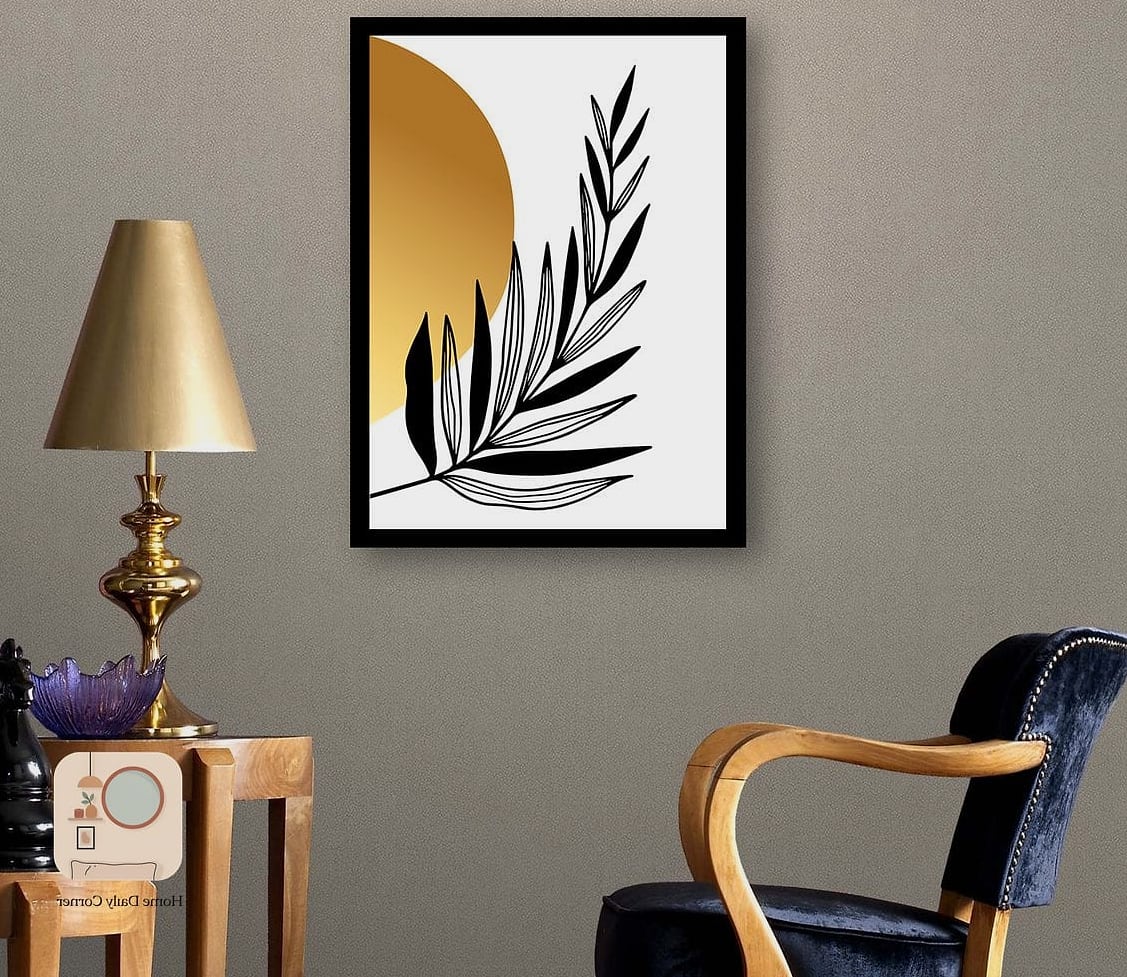
Rather than painting an entire wall, paint a large rectangular or arched frame shape around your bed, a window, or a piece of art. It’s a subtle way to create a focal point without committing to full wall coverage.
Choose a color a few shades darker or richer than your base wall color so the frame reads intentionally rather than like a paint mistake. This technique is particularly effective in bedrooms with awkward proportions, since it can visually correct an off-center window or oddly placed doorway by drawing the eye where you want it.
It’s also one of the more approachable ideas here for painting beginners, since the shapes are simple and forgiving of small imperfections.
Textured Paint With a Combing Technique
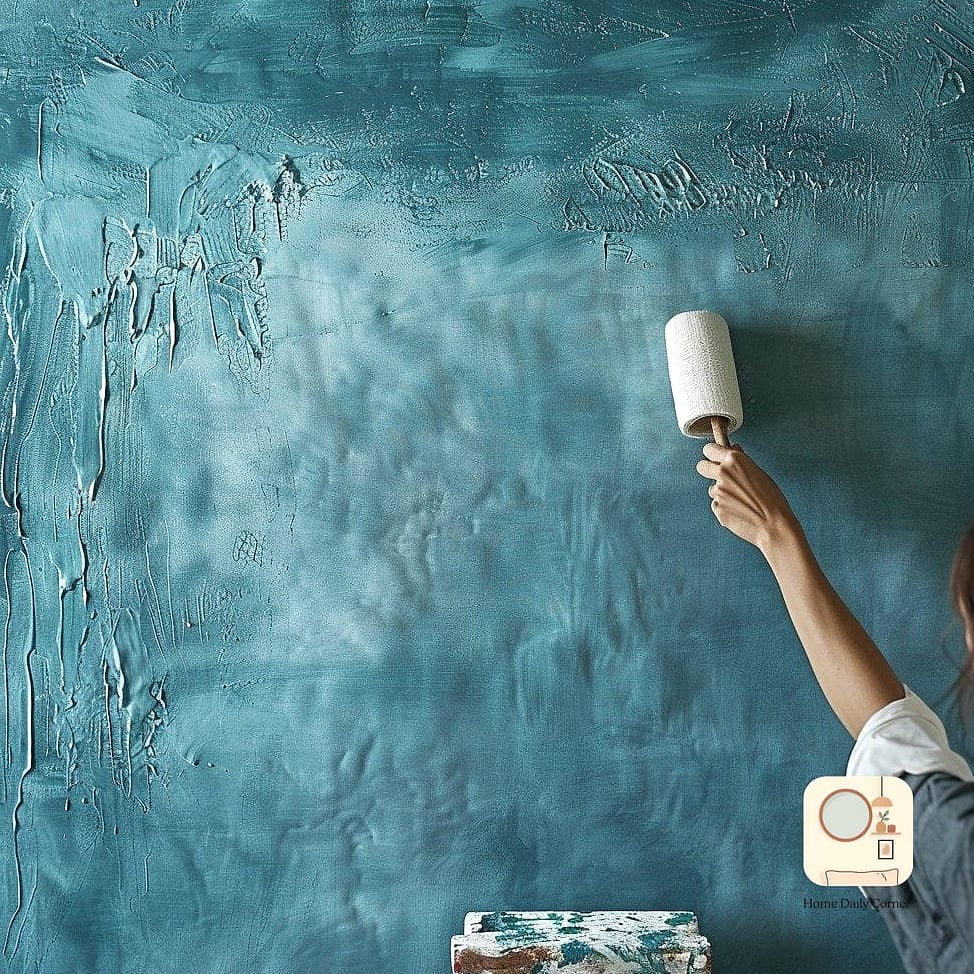
If you want dimension without adding wallpaper or wood paneling, textured paint techniques are worth exploring. Using a paint comb or notched trowel, you can drag wet paint (or a paint-and-joint-compound mix) across the wall in wavy, linear, or crosshatch patterns to create subtle texture and shadow play.
This adds a tactile, almost Venetian-plaster quality to a bedroom wall, and it looks especially good in warm neutral tones where the texture catches light and shadow throughout the day. It’s a bit messier than standard painting, so lay down drop cloths generously and expect some trial runs on a scrap board first.
Because the texture itself does the visual work, you can keep the rest of the room’s palette simple and let this wall be the statement.
Bringing these ideas together, what makes bedroom wall painting exciting again isn’t fancy tools or a huge budget—it’s a willingness to break from the standard accent wall formula. Whether you try a painted headboard this weekend or work your way up to a full ombre effect, even one of these ten creative wall painting ideas can make your bedroom feel like it belongs in a design magazine rather than a paint store sample aisle.