
14 Master Bedrooms Decor Cozy Before and After Transformations to Inspire
- Swapping Harsh Overhead Lighting for Layered Lamps
- Adding a Textured Upholstered Headboard
- Introducing a Neutral Color Palette Over Bold Accent Walls
- Layering Rugs for Warmth Underfoot
- Replacing Mismatched Nightstands with a Cohesive Pair
- Adding Curtains Where There Were Only Blinds
- Decluttering the Dresser Top and Adding Trays
- Introducing Greenery for a Softer, Livelier Feel
- Building Out a Gallery Wall Above the Bed
- Swapping Synthetic Bedding for Natural Fiber Linens
- Creating a Reading Nook in an Unused Corner
- Hiding Cords and Electronics for a Cleaner Look
- Adding a Bench or Ottoman at the Foot of the Bed
- Refreshing Closet Storage with Matching Bins and Baskets
14 Master Bedrooms Decor Cozy Before and After Transformations to Inspire
There’s something about a master bedroom overhaul that hits different than any other room in the house. Maybe it’s because we spend a third of our lives in there, or maybe it’s just the satisfaction of walking into a space that finally feels like a retreat instead of an afterthought. Whatever the reason, these before and after transformations prove you don’t need a massive budget or a full gut renovation to make your bedroom feel cozy, intentional, and genuinely restful.
I’ve pulled together fourteen real-feeling transformations that focus on the details people actually notice: texture, lighting, color, and the little organizational fixes that make a room function better. Let’s get into it.
Swapping Harsh Overhead Lighting for Layered Lamps
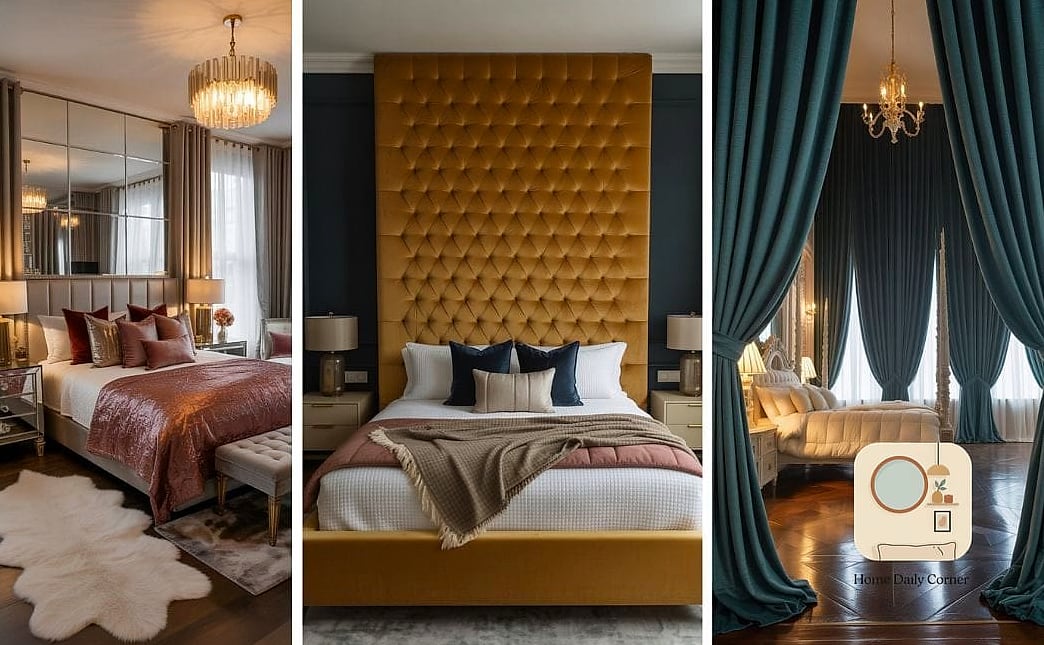
The before scenario here is one I see constantly: a single overhead fixture blasting bright white light across the whole room. It’s practical, sure, but it’s the opposite of cozy.
The after fix is layered lighting. Think a pair of table lamps on the nightstands, maybe a floor lamp in the corner, and a dimmer switch if you’re up for a small electrical project. Warm bulbs in the 2700K range make a huge difference here.
This works in bedrooms of any size, but it’s especially transformative in smaller rooms where a single bright light can feel clinical. Budget-wise, you can do this whole swap for under $150 if you shop sales, and it’s about as DIY-friendly as home upgrades get.
Adding a Textured Upholstered Headboard
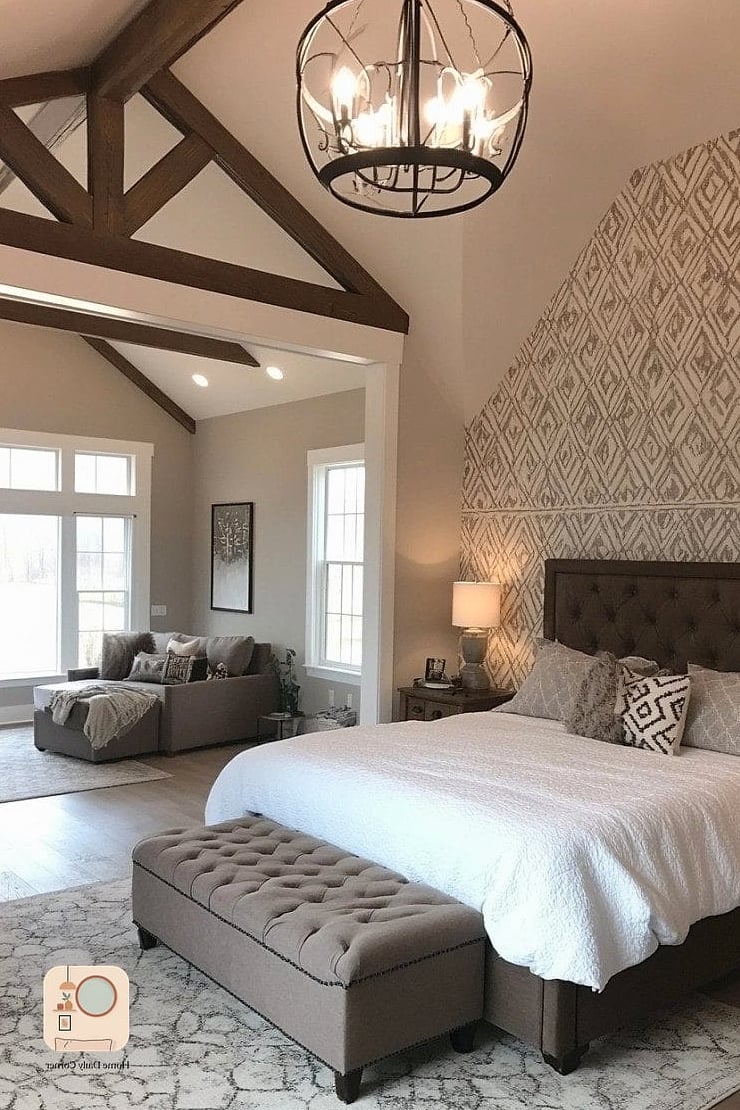
A flat wall behind the bed with no headboard at all, or a dated wooden one that’s seen better days, is one of the most common befores in bedroom makeovers.
Swapping in an upholstered headboard with a bit of texture, like linen, bouton, or channel-tufted velvet, instantly softens the whole room. It becomes the visual anchor everyone notices first.
This is a great spot to splurge if your budget allows, but there are also plenty of DIY headboard kits and even peel-and-stick fabric panel options for renters who can’t drill into walls.
Introducing a Neutral Color Palette Over Bold Accent Walls
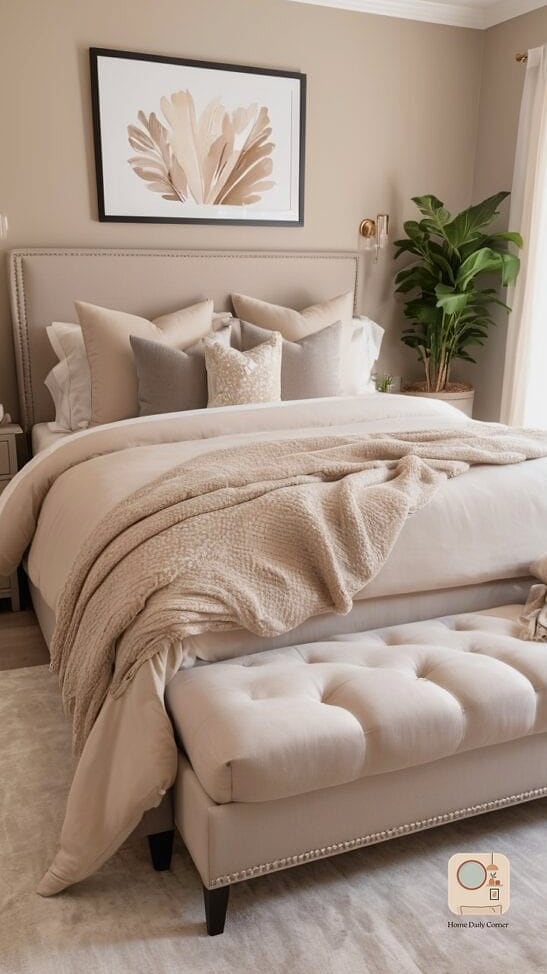
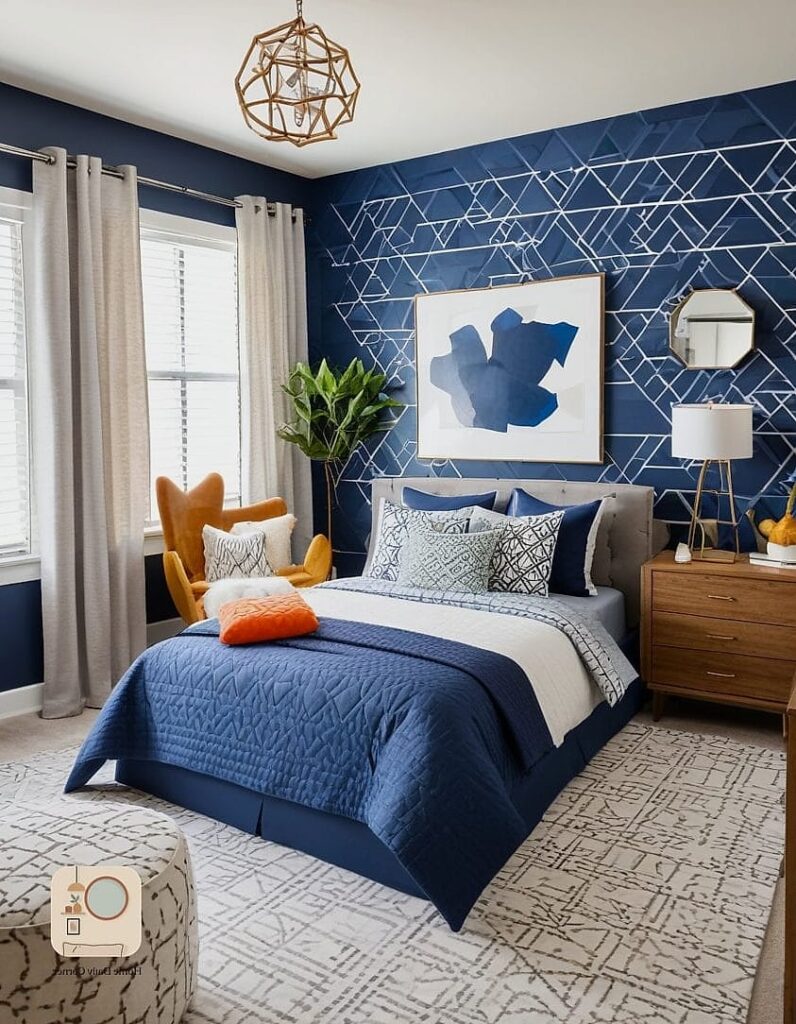
A lot of homeowners went bold in the past decade with dark navy or deep red accent walls, and while that look had its moment, it can feel heavy and dated now.
The after here usually involves repainting in warm neutrals like greige, soft oat, or a muted terracotta. It’s not boring, it’s just calmer, which is really what you want in a room meant for sleeping.
Warm wood tones on furniture pair beautifully with this kind of palette, and it photographs well too if you’re the type to share your space online.
Layering Rugs for Warmth Underfoot
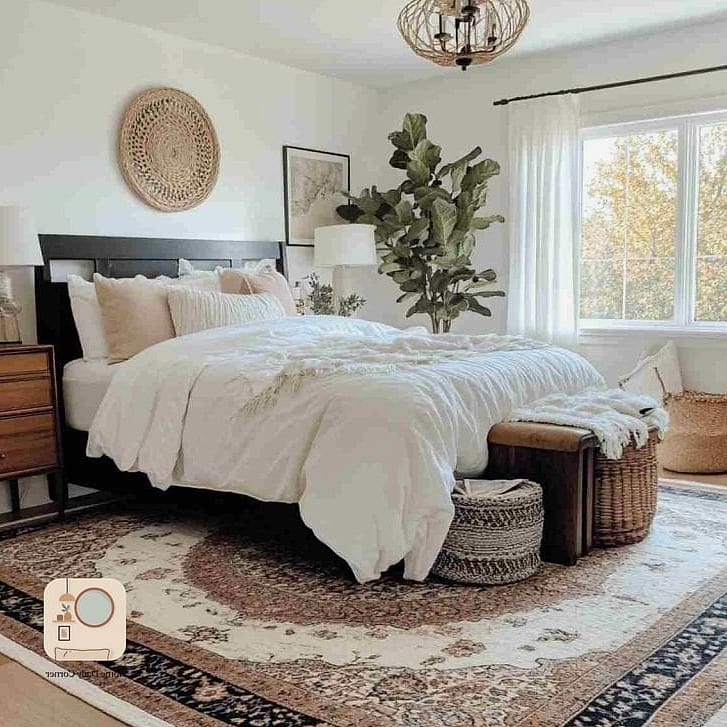
Bare hardwood or a single thin rug is a common before, especially in older homes or starter house bedrooms.
Layering a large jute or wool rug under the bed, then adding a smaller accent rug beside it, creates depth and genuine warmth underfoot. It’s a small change that makes mornings noticeably more pleasant, especially in colder climates.
This is budget-flexible too. You can find affordable jute rugs at most home stores, or invest in a higher-pile wool option if you want that sink-your-toes-in feeling.
Replacing Mismatched Nightstands with a Cohesive Pair
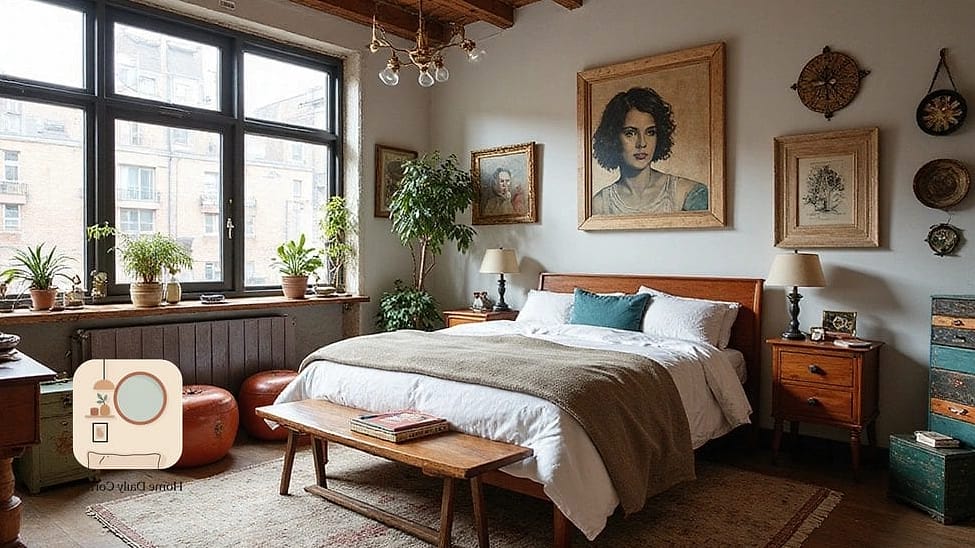
Nothing screams “unfinished” quite like two totally different nightstands that clearly came from different points in your life.
Swapping them for a matching pair, even a simple one, pulls the whole room together instantly. Wood tones that echo your headboard or dresser create a sense of intention rather than randomness.
If new furniture isn’t in the budget, painting or refinishing what you already have works surprisingly well. A coat of matte black or warm walnut stain can transform basic nightstands for under $50.
Adding Curtains Where There Were Only Blinds

Blinds alone tend to make a room feel a little sparse and utilitarian. It’s functional, not cozy.
Adding floor-length curtains, even purely decorative ones over existing blinds, softens the whole window area and makes ceilings feel taller by drawing the eye upward. Linen or a heavier cotton blend both work well depending on how much light you want to block.
This is one of those upgrades that instantly makes a bedroom feel more finished without requiring a full renovation. Rod placement matters here, so mount it a few inches above the window frame for the best visual effect.
Decluttering the Dresser Top and Adding Trays
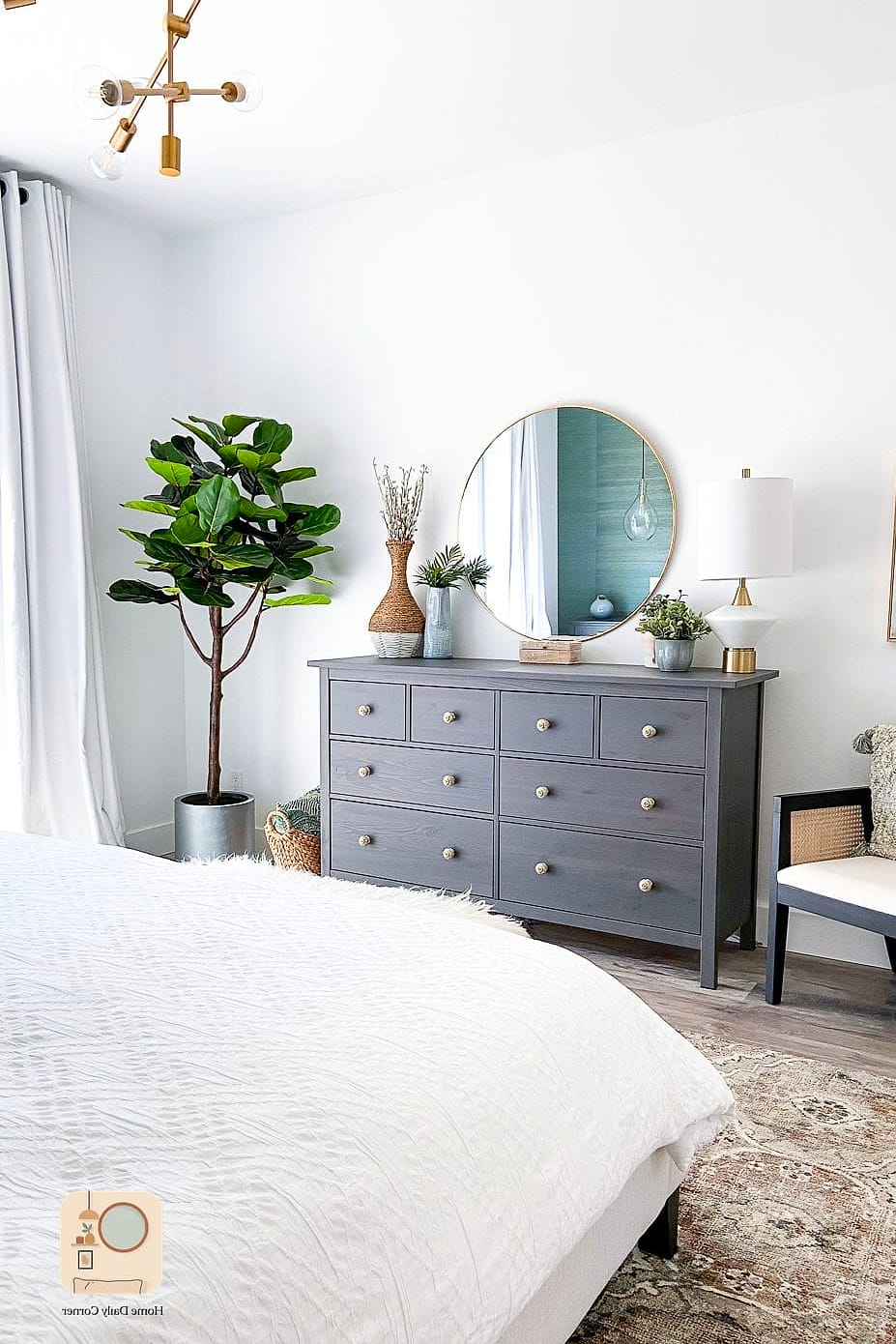
A cluttered dresser covered in loose jewelry, coins, and random receipts is one of the most relatable befores out there.
The fix is simple: clear everything off, then reintroduce only what you actually use, organized into a tray or two. A wood or brass catchall tray for jewelry, a small dish for rings, and maybe one framed photo is usually plenty.
This isn’t just about looks either. Having a designated spot for everyday items makes the whole getting-ready routine faster, which is a nice bonus on top of the visual upgrade.
Introducing Greenery for a Softer, Livelier Feel
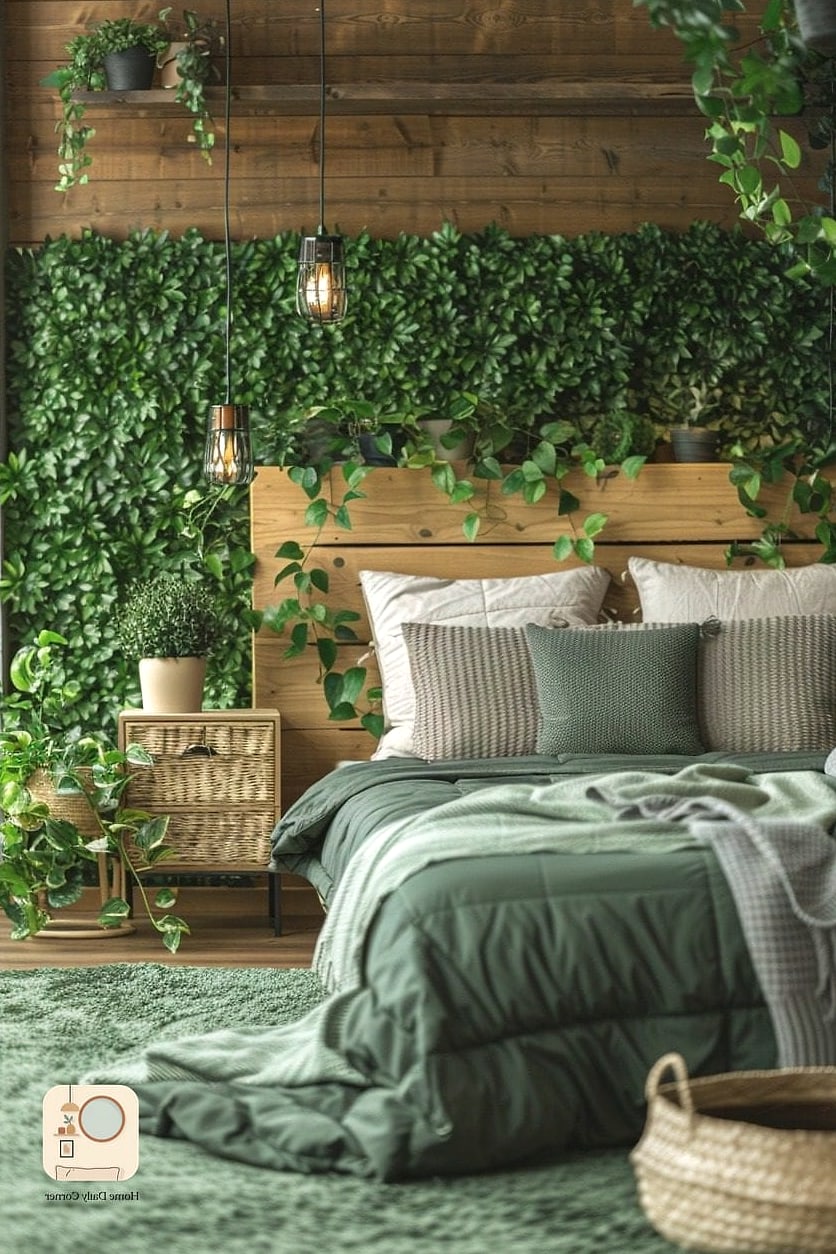
An empty corner or a bare windowsill is a common before that’s easy to overlook because it’s not really a problem, it’s just missing potential.
Adding a large leafy plant like a fiddle leaf fig or snake plant in the corner, plus a smaller trailing plant on the dresser, brings life into the room in a way decor alone can’t quite replicate.
Snake plants and pothos are both good picks if you don’t have a ton of natural light or you tend to forget watering schedules. Faux versions have also gotten remarkably realistic if you’d rather skip the maintenance entirely.
Building Out a Gallery Wall Above the Bed

A bare wall above the headboard is one of those things you stop noticing after a while, until you see it styled and realize what you were missing.
A gallery wall with a mix of framed art, a mirror, and maybe a woven wall hanging adds personality without needing to commit to one giant statement piece. Mixing frame finishes, like brushed brass with matte black, keeps it from looking too matchy.
This is a genuinely renter-friendly project if you use adhesive hooks rated for the frame weight. Just measure everything out on paper first so you’re not left with extra nail holes.
Swapping Synthetic Bedding for Natural Fiber Linens
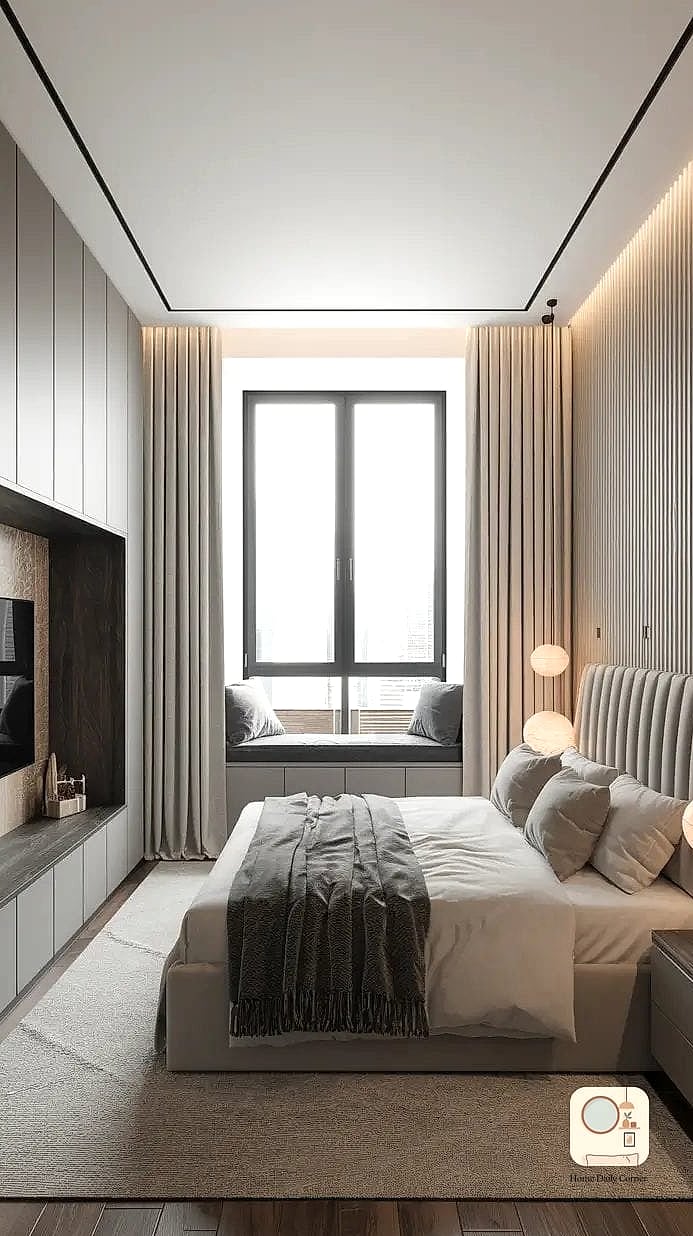
This one’s less visual and more sensory, but it shows up in a lot of transformations because it changes how the room feels, not just how it looks.
Trading polyester bedding for linen or a high-quality cotton percale set changes the texture of the whole bed. Linen especially has that lived-in, effortlessly rumpled look that photographs beautifully and feels great in warmer months.
If budget is tight, start with just the duvet cover since that’s the piece that shows the most. Sheets can be upgraded gradually as you find sales.
Creating a Reading Nook in an Unused Corner
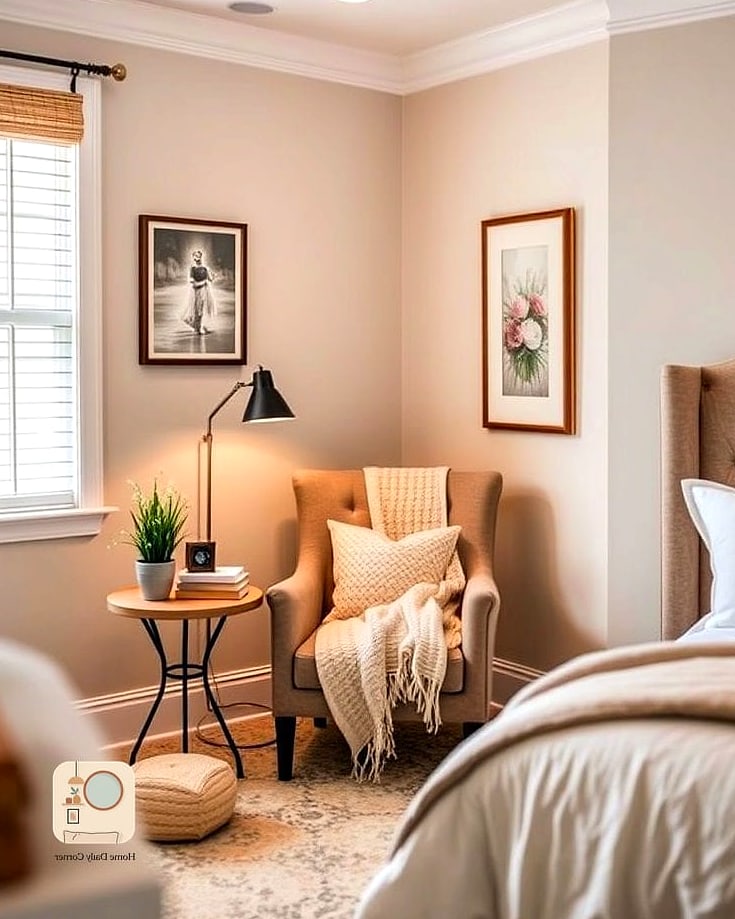
An awkward empty corner, often near a window, tends to become a dumping ground for laundry baskets or exercise equipment nobody uses.
Turning it into a small reading nook with a comfortable chair, a floor lamp, and a small side table for a book and mug gives that space actual purpose. Adding a throw blanket over the chair arm makes it feel instantly more inviting.
This works especially well in larger primary bedrooms, but even a small armchair can carve out a cozy nook in a more modest-sized room.
Hiding Cords and Electronics for a Cleaner Look
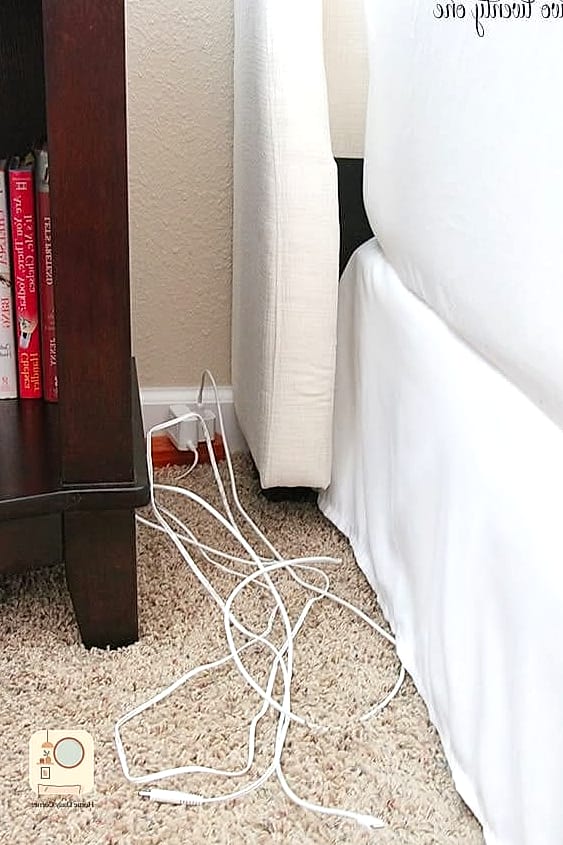
Visible charging cords, a tangle of cables behind the nightstand, and an alarm clock from a decade ago are the kind of small details that quietly undermine an otherwise nice room.
The after involves cord clips along the baseboard, a small charging station tucked in a drawer, and swapping that old alarm clock for something with a more streamlined design. Cable boxes and adhesive cord organizers are inexpensive and take maybe twenty minutes to install.
It sounds minor, but decluttering visual noise like this makes a bigger difference than most people expect, especially in photos.
Adding a Bench or Ottoman at the Foot of the Bed
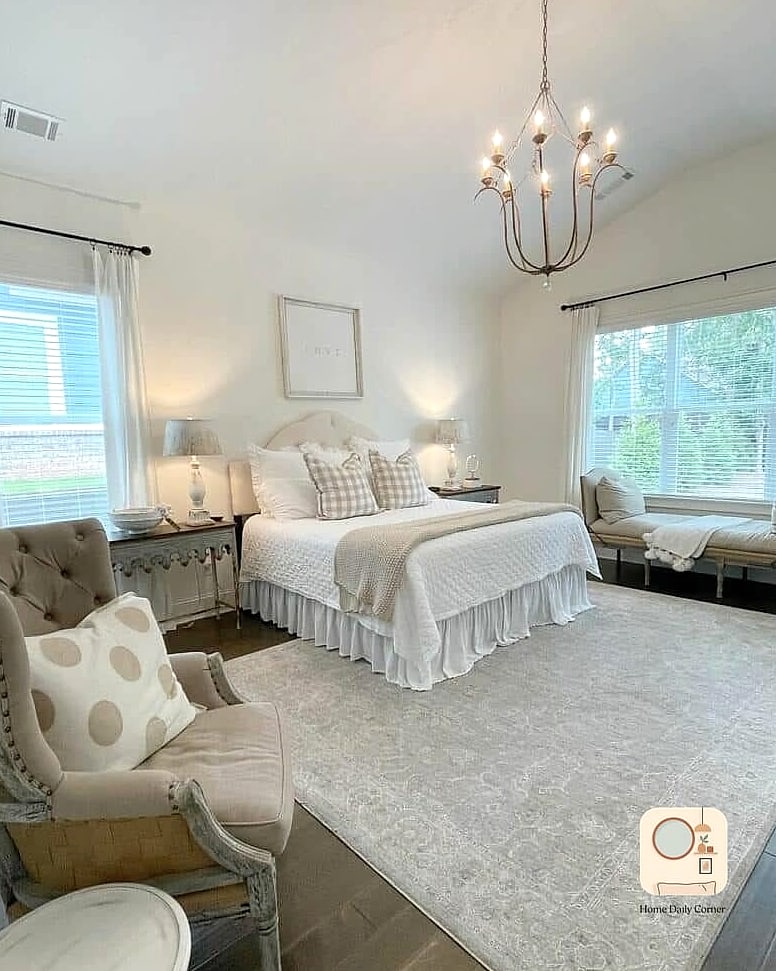
An empty stretch of floor at the foot of the bed is a common before that most people just don’t think to fill.
Adding an upholstered bench or a large ottoman gives the room both a functional landing spot for clothes or bags and a design element that fills out the space proportionally. Boucle and velvet are popular choices right now for that extra layer of texture.
This is also genuinely practical for families with kids or pets, since it gives you somewhere to sit while putting on shoes without perching on the edge of the mattress.
Refreshing Closet Storage with Matching Bins and Baskets
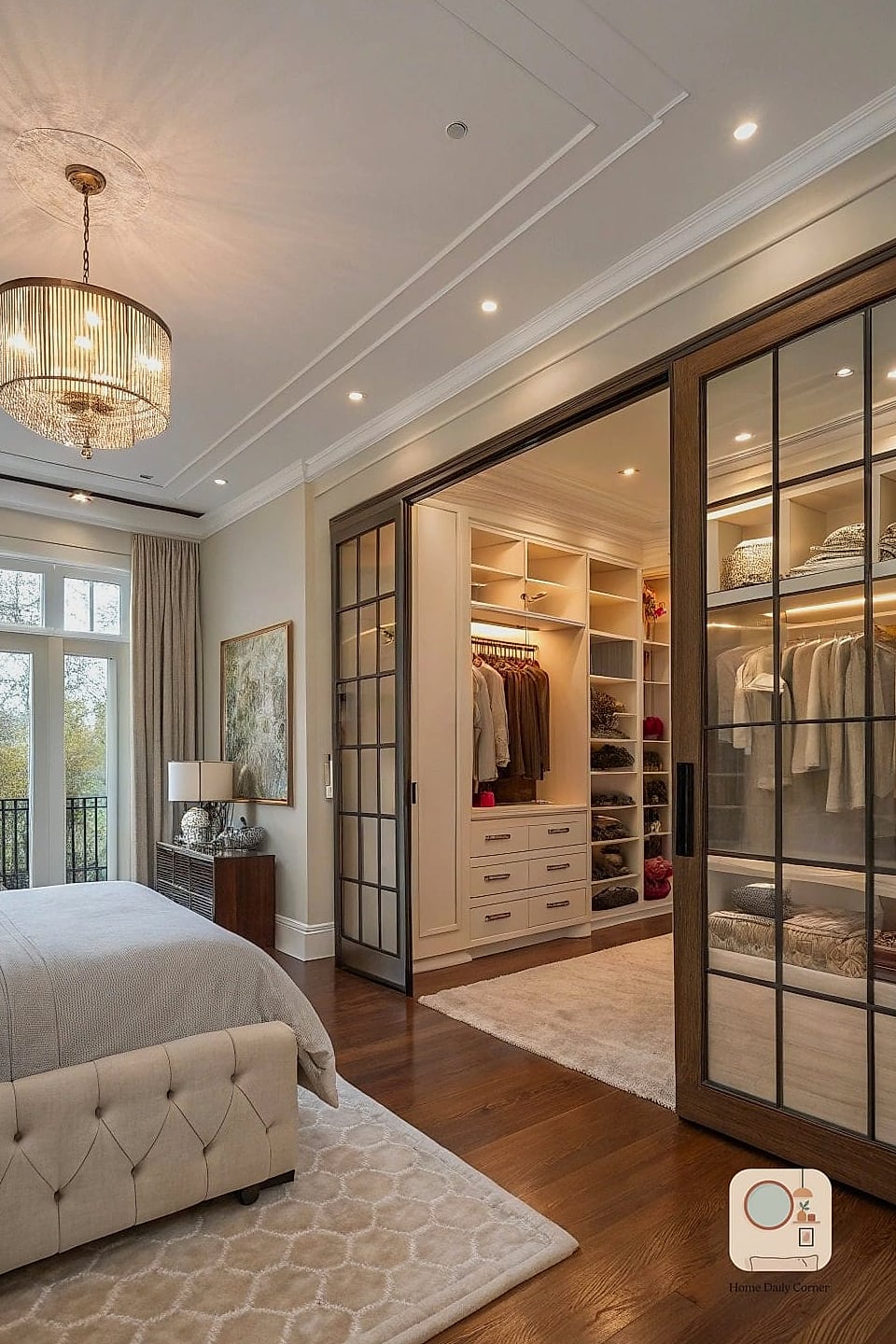
This last one isn’t technically visible when you’re standing in the bedroom, but a chaotic closet has a way of leaking stress into the whole room, even subconsciously.
Swapping mismatched shoeboxes and grocery bags for coordinated bins and woven baskets, labeled if you’re the organizing type, makes the closet function like an actual system instead of a storage free-for-all. Clear bins work well for seasonal items, while woven baskets are nicer for things you access daily.
It’s a relatively low-cost project, and if you’re renting, none of it requires permanent changes to the closet itself, just better containers for what’s already there.
Putting It All Together
What I love about these fourteen master bedroom transformations is that none of them require you to do everything at once. Pick the one or two that speak to your current space, whether that’s swapping out lighting, adding texture with a headboard, or finally dealing with that cluttered dresser top, and build from there.
Cozy isn’t really about spending a lot of money. It’s about layering warmth, softening hard edges, and clearing out the visual clutter that keeps a room from feeling like a retreat. Start small, live with the change for a bit, and you’ll probably find yourself wanting to tackle the next item on this list before too long.