15 Small Bedroom Designs Ideas That Work in Any Size Home
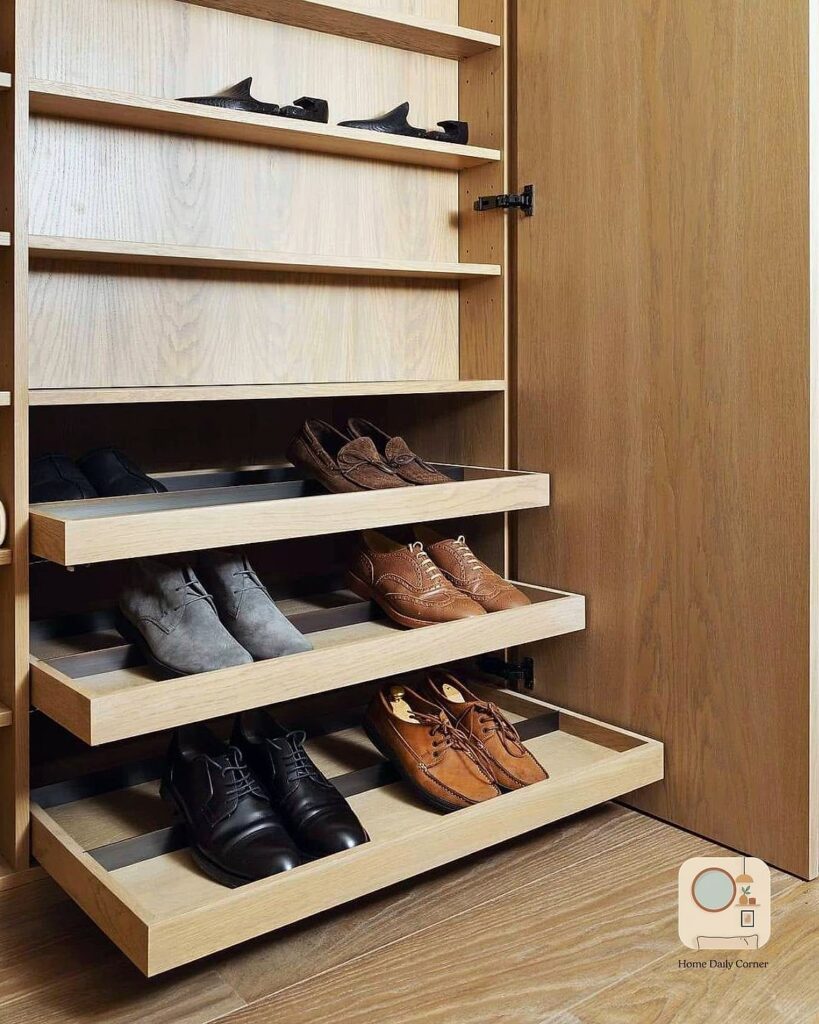
- Go Vertical with Wall-Mounted Storage
- Choose a Platform Bed with Built-In Storage
- Use a Light, Neutral Color Palette
- Install a Wall-Mounted Headboard
- Add a Mirror to Bounce Light Around
- Swap Nightstands for Floating Shelves
- Layer Your Lighting
- Use a Daybed for Multi-Functional Space
- Keep the Closet Organized with Drawer Organizers and Bins
- Choose Furniture with Exposed Legs
- Add a Statement Rug to Define the Space
- Use Curtains to Add Height
- Create a Reading Nook in an Unused Corner
- Go with a Streamlined, Minimal Dresser
- Add Greenery to Soften Hard Edges
15 Small Bedroom Designs Ideas That Work in Any Size Home
A small bedroom can still feel spacious, calm, and stylish if you plan the layout with intention. I’ve worked with plenty of tiny bedrooms over the years, and the truth is, square footage matters way less than how smart you are with what you’ve got. These 15 small bedroom design ideas cover everything from furniture placement to color choices, so no matter your budget or room shape, you’ll find something that actually works for your space.
Go Vertical with Wall-Mounted Storage
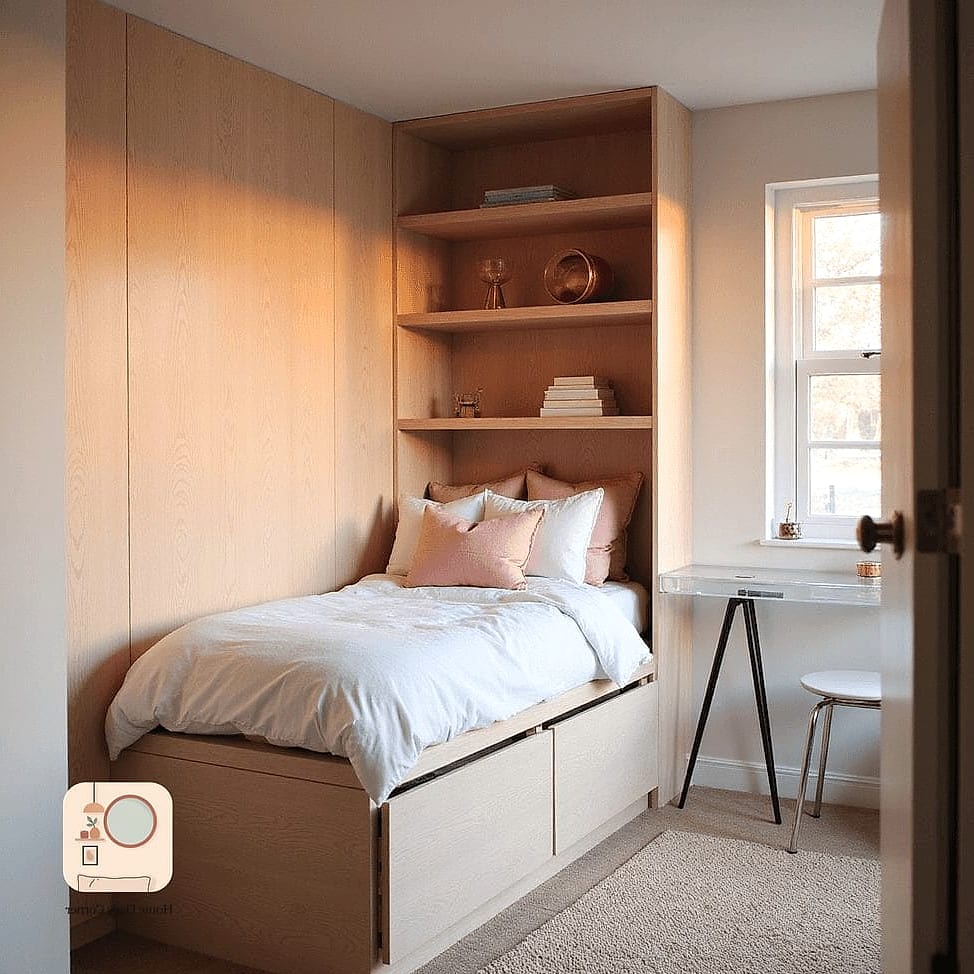
When floor space is tight, the walls become your best friend. Floating shelves above a headboard or along an empty wall give you storage without eating into your walkable area.
This works especially well in bedrooms with low square footage but decent ceiling height. Stack a few shelves in a neutral wood tone or matte black finish, and use them for books, framed photos, or small plants.
It’s a renter-friendly option too, since many floating shelves install with minimal hardware or even peel-and-stick anchors. Just keep the styling light so the wall doesn’t feel cluttered.
Choose a Platform Bed with Built-In Storage
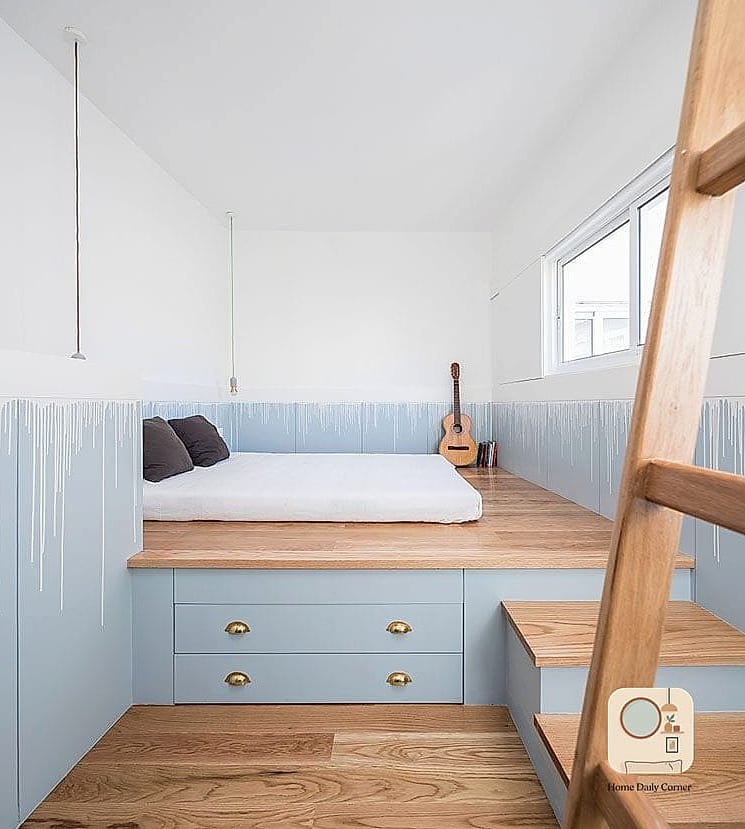
A platform bed with drawers underneath solves two problems at once: it eliminates the need for a bulky dresser and gives you a place to stash off-season clothing or extra linens.
These beds come in tons of finishes now, from warm wood tones to sleek matte lacquer, so you’re not sacrificing style for function. I’d recommend this for anyone who’s tired of shoving storage bins under a traditional bed frame.
Budget-friendly versions exist at most furniture retailers, and if you’re handy, there are also DIY platform bed plans that let you build one to your exact room dimensions.
Use a Light, Neutral Color Palette
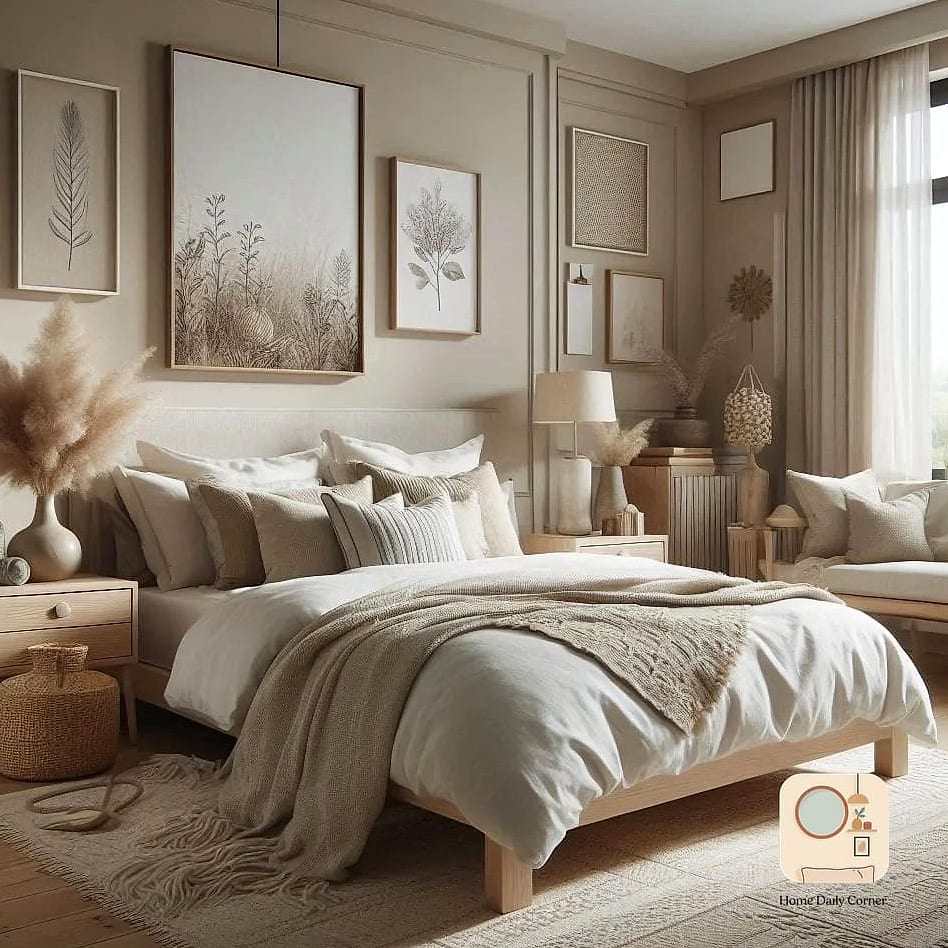
Dark colors can make a small room feel cozy, but they can also make it feel boxed in if you’re not careful. A neutral color palette of soft whites, warm greiges, or pale blush tones tends to open up a compact bedroom visually.
Pair the wall color with lighter bedding and you get a room that feels airy rather than cramped. This doesn’t mean the space has to feel sterile though. Layer in texture through a woven throw, a jute rug, or linen curtains to keep things warm.
If you love bold color, save it for one accent wall behind the headboard instead of covering all four walls.
Install a Wall-Mounted Headboard
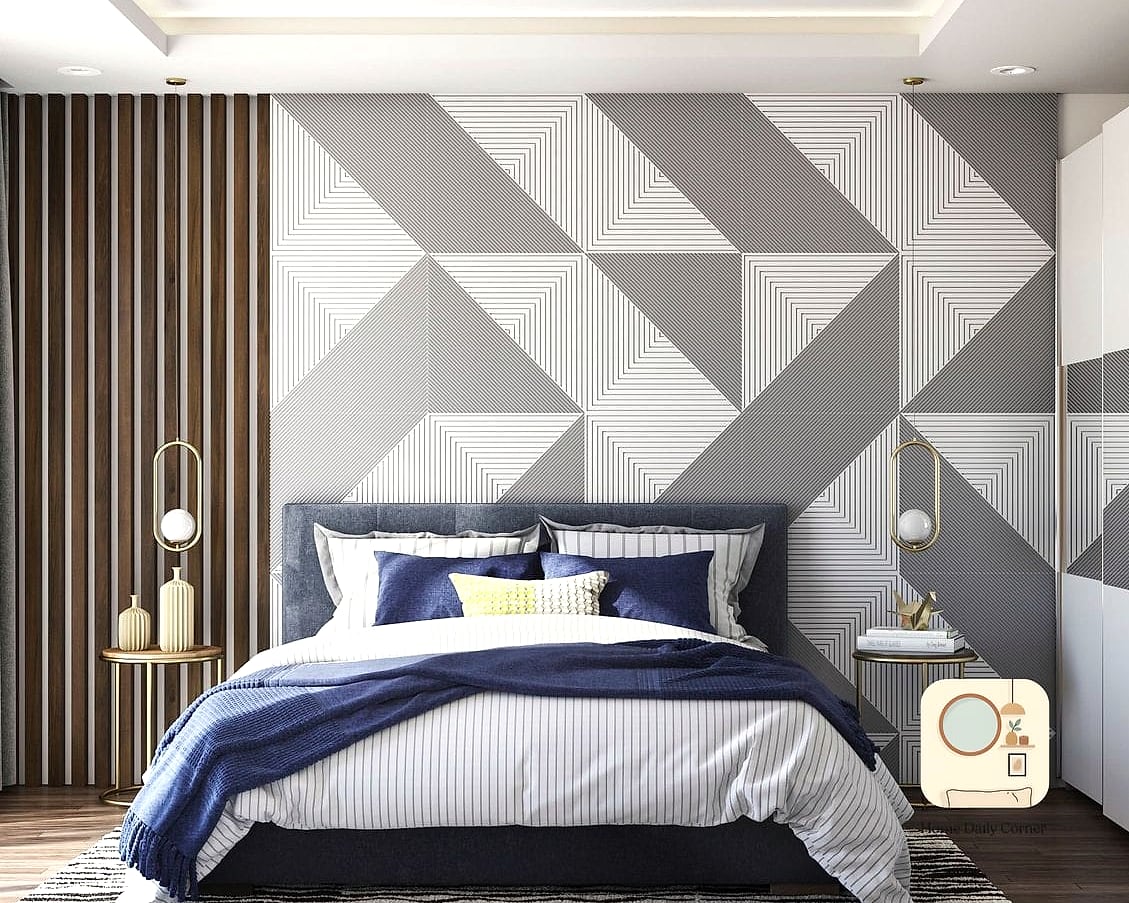
Traditional headboards attached to bed frames take up more visual and physical space than you’d think. A wall-mounted headboard, whether upholstered or a simple wood panel, gives you the look without the bulk.
This is a great trick for rooms where the bed sits close to the door or a walkway. You still get that finished, pulled-together look, but the bed frame itself stays low-profile.
Upholstered versions in a bouclé or linen fabric add softness to the room, while a wood panel headboard leans more into a natural, earthy style.
Add a Mirror to Bounce Light Around
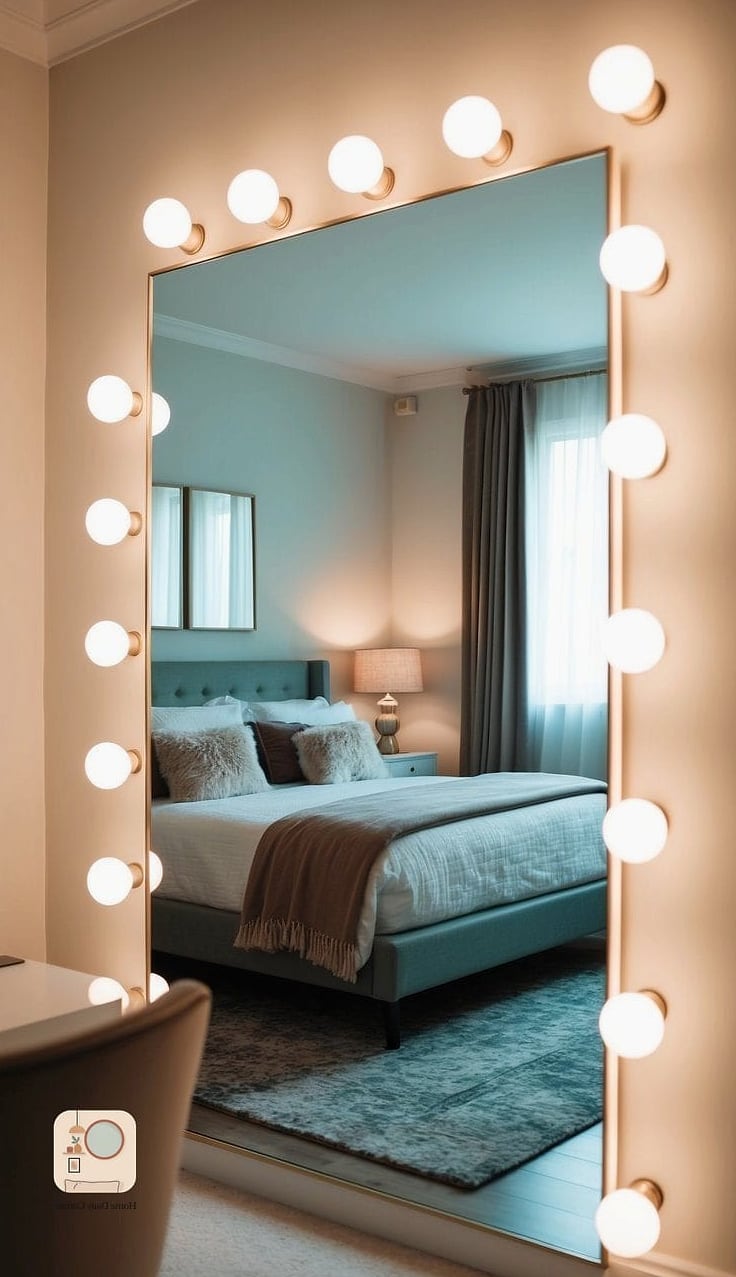
This one’s almost too simple, but it works every time. A large mirror, whether leaned against the wall or hung above a dresser, reflects natural light and makes the room feel twice as big as it is.
Position it across from a window if possible so it catches daylight throughout the day. A mirror with a thin brass or black metal frame adds a little polish without competing with the rest of your décor.
I always tell people this is one of the cheapest ways to make a small bedroom feel bigger, and it genuinely delivers.
Swap Nightstands for Floating Shelves
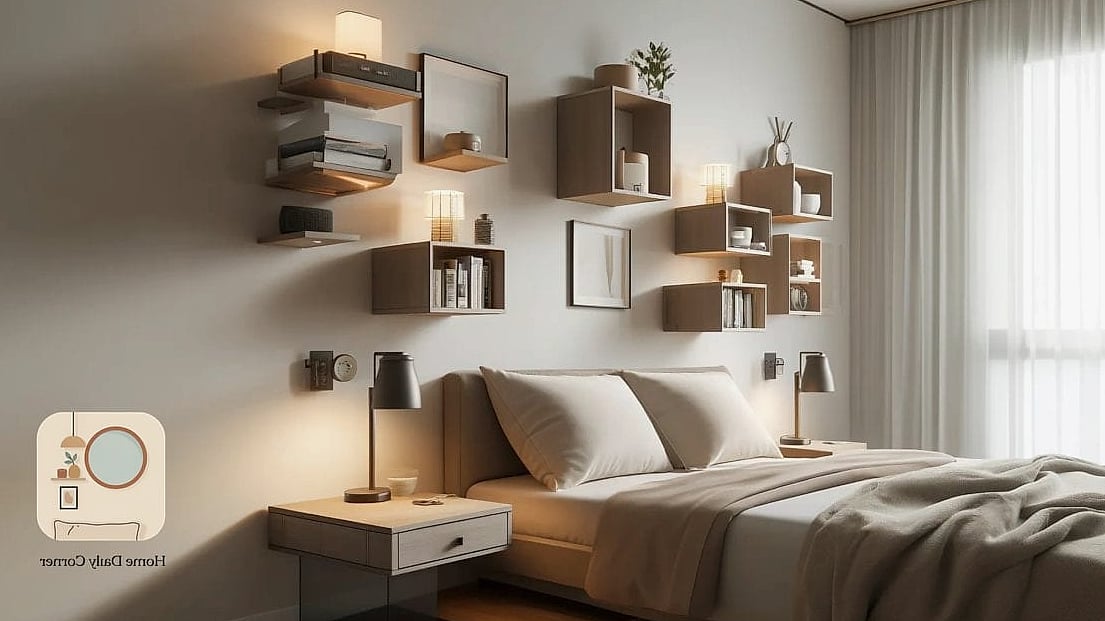
Full-size nightstands can eat up a surprising amount of floor space, especially in bedrooms where the bed is pushed against a wall with little clearance. Floating shelves mounted at nightstand height give you a spot for a lamp and a book without the footprint.
This works particularly well in rooms with twin or full beds where every inch counts. You can even mount two shelves at different heights on one side for extra storage without added bulk.
It’s also one of the easier small bedroom design ideas to reverse if you move, since the shelf brackets patch up easily.
Layer Your Lighting
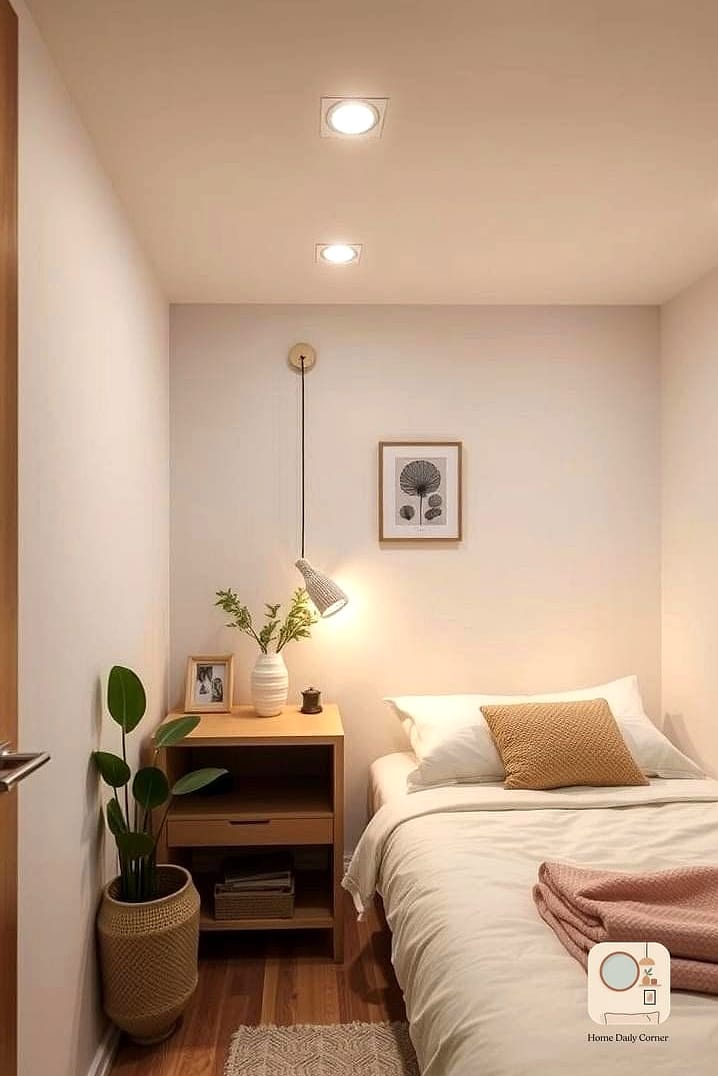
Overhead lighting alone tends to flatten a small room and make it feel more like a hallway than a bedroom. Layered lighting, meaning a mix of ceiling light, a bedside lamp, and maybe a plug-in sconce, adds depth and warmth.
Warm-toned bulbs make a huge difference here too. Cool white light can feel clinical in a compact space, while warm light makes everything feel more like a retreat.
If you’re short on outlets, battery-operated wall sconces are a good workaround, and they’re completely renter-friendly since most mount with adhesive strips.
Use a Daybed for Multi-Functional Space
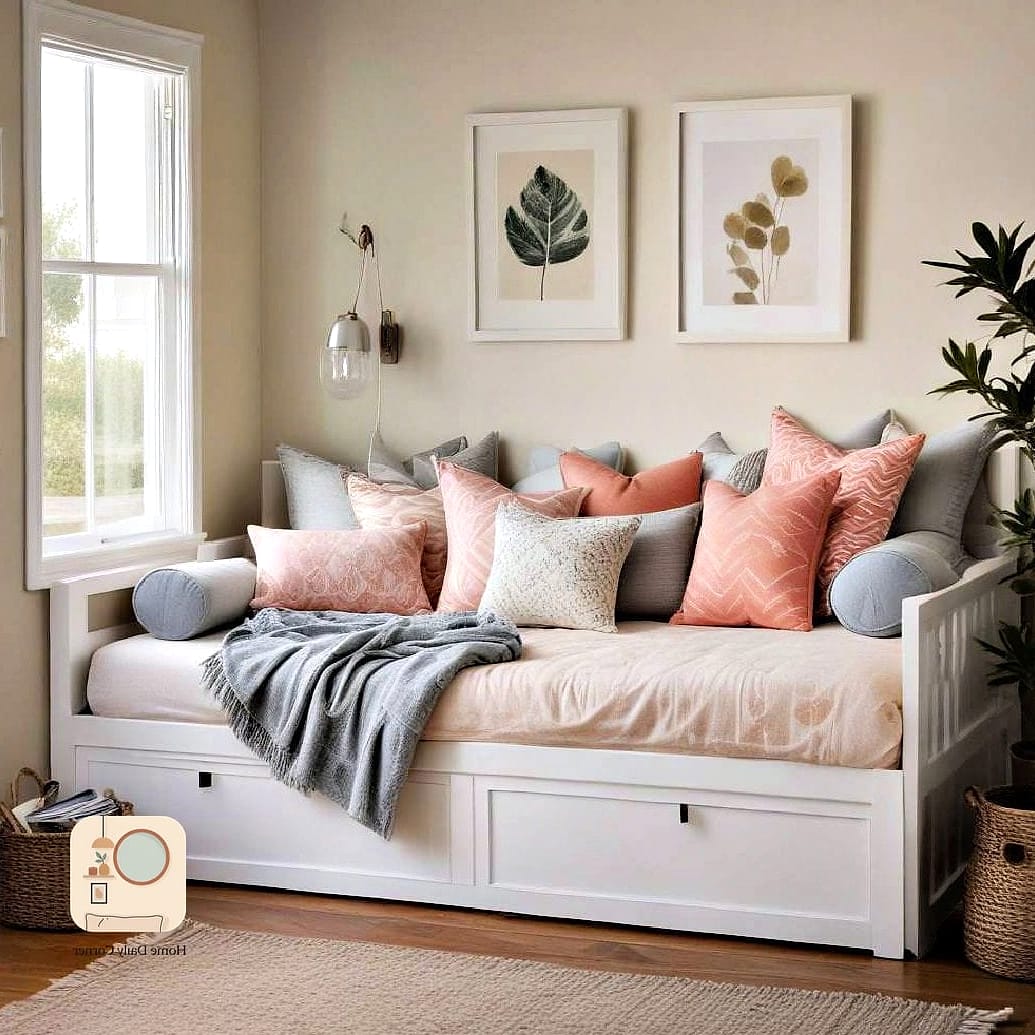
If your small bedroom doubles as a home office or reading nook, a daybed is worth considering over a traditional bed frame. It reads more like a sofa during the day and still functions as a full sleeping space at night.
This is a smart pick for guest rooms that need to pull double duty, or for anyone working from home in a studio apartment. Add a few throw pillows and a slim console table behind it, and the room instantly feels more like a living space than just a bedroom.
Daybeds with trundle storage underneath add even more function if you need extra sleeping space occasionally.
Keep the Closet Organized with Drawer Organizers and Bins
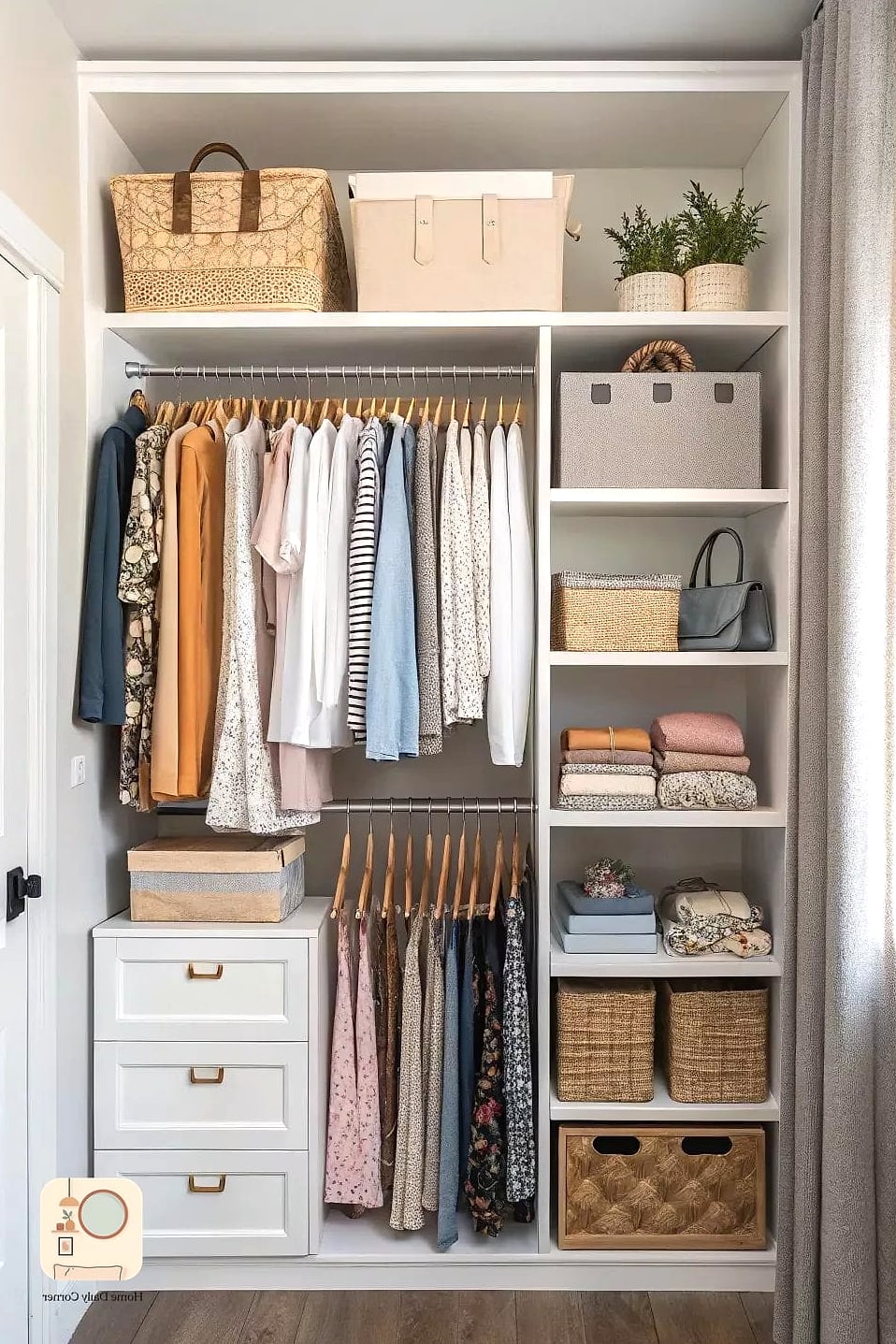
A messy closet makes the whole bedroom feel smaller, even if the closet itself is a separate space. Drawer organizers, stackable bins, and slim hangers all help you use every inch of closet space efficiently.
I always recommend matching bins and baskets in a single material or color so the closet feels intentional rather than thrown together. Woven baskets add texture, while clear bins make it easy to see what’s inside without digging.
This is a low-cost project too. A few organizers from a home goods store can completely change how usable a small closet feels.
Choose Furniture with Exposed Legs
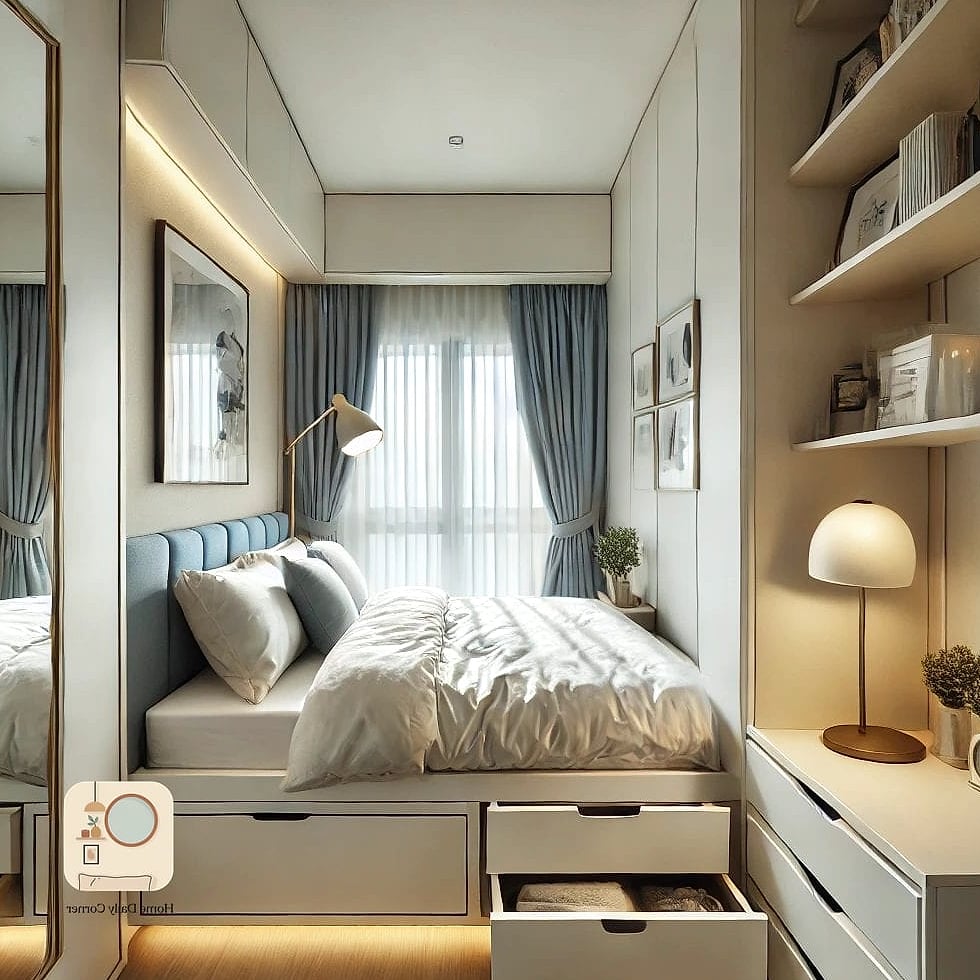
Furniture that sits flush to the floor, like a dresser without legs, visually blocks off part of the room. Pieces with exposed, slender legs let light and floor space flow underneath, which tricks the eye into thinking the room is bigger than it is.
This applies to dressers, accent chairs, and even some bed frames. Look for tapered wood legs in a warm tone or thin black metal legs for a slightly more modern feel.
It’s a subtle detail, but once you start noticing it, you’ll see how much of a difference leggy furniture makes in tight spaces.
Add a Statement Rug to Define the Space
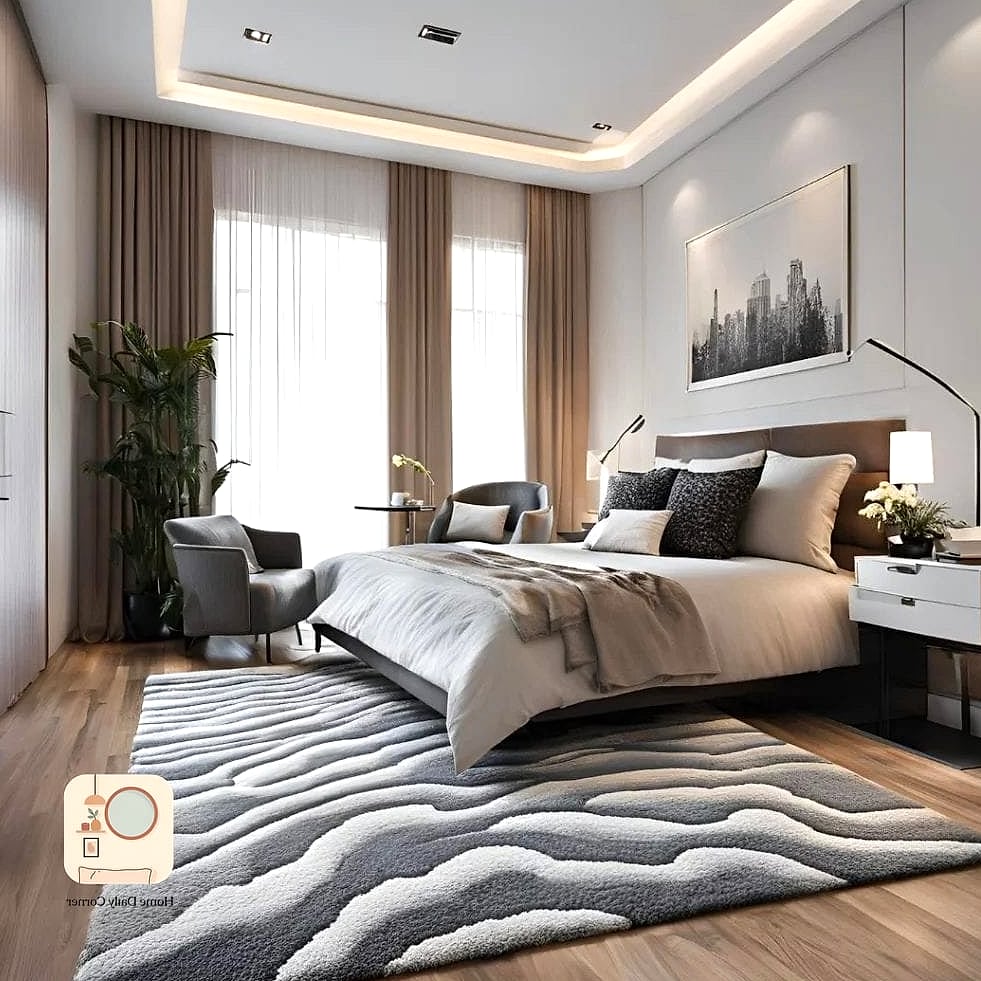
In an open-concept layout or a studio apartment, a rug can visually separate the bedroom area from the rest of the room. Even in a standalone bedroom, a rug adds warmth and softens the hard lines of a small space.
Go for a rug that extends slightly beyond the sides of the bed rather than one that barely peeks out. This makes the room feel more grounded and complete.
Natural fiber rugs like jute work well for a relaxed, textured look, while a plush area rug adds a cozier feel underfoot, especially nice in colder climates.
Use Curtains to Add Height
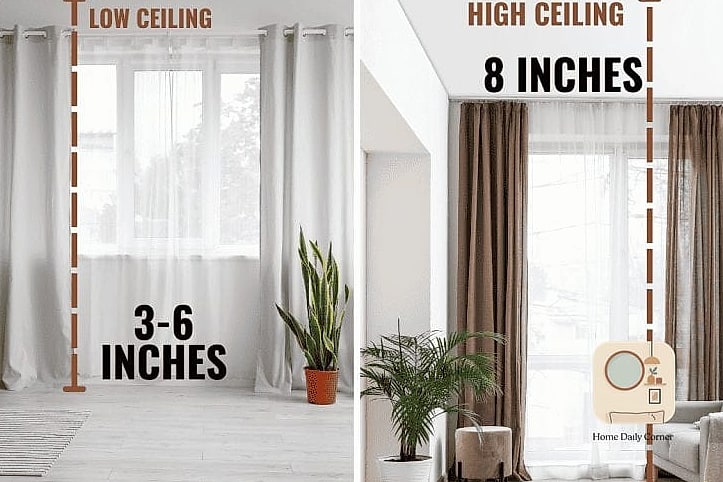
Hanging curtains higher than the window frame, closer to the ceiling, draws the eye upward and makes the whole room feel taller. This is one of those small bedroom design tricks that costs almost nothing but has a noticeable impact.
Floor-length curtains in a soft linen or cotton blend keep the look airy. Avoid heavy, dark drapery unless you’re going for a moodier, more dramatic bedroom style.
This works in rented spaces too, since you can install a tension rod or a simple curtain rod without damaging the wall.
Create a Reading Nook in an Unused Corner
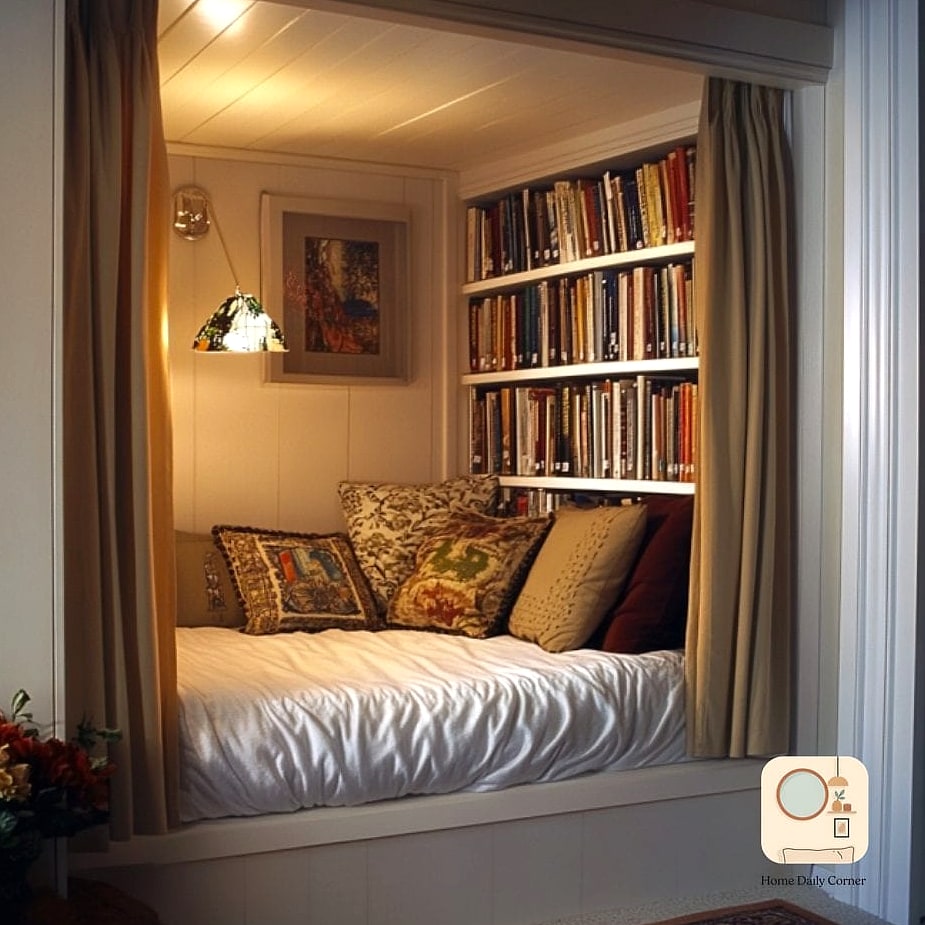
Even the smallest bedrooms usually have one awkward corner that goes unused. Instead of leaving it empty, tuck in a small accent chair, a floor lamp, and a mini side table to create a cozy reading nook.
This gives the room a second purpose beyond sleeping, which makes a small space feel more thoughtfully designed. A round side table works well here since it won’t create sharp corners in an already tight area.
If floor space is really limited, a wall-mounted swing-arm lamp frees up the side table for a cup of coffee or a stack of books instead.
Go with a Streamlined, Minimal Dresser
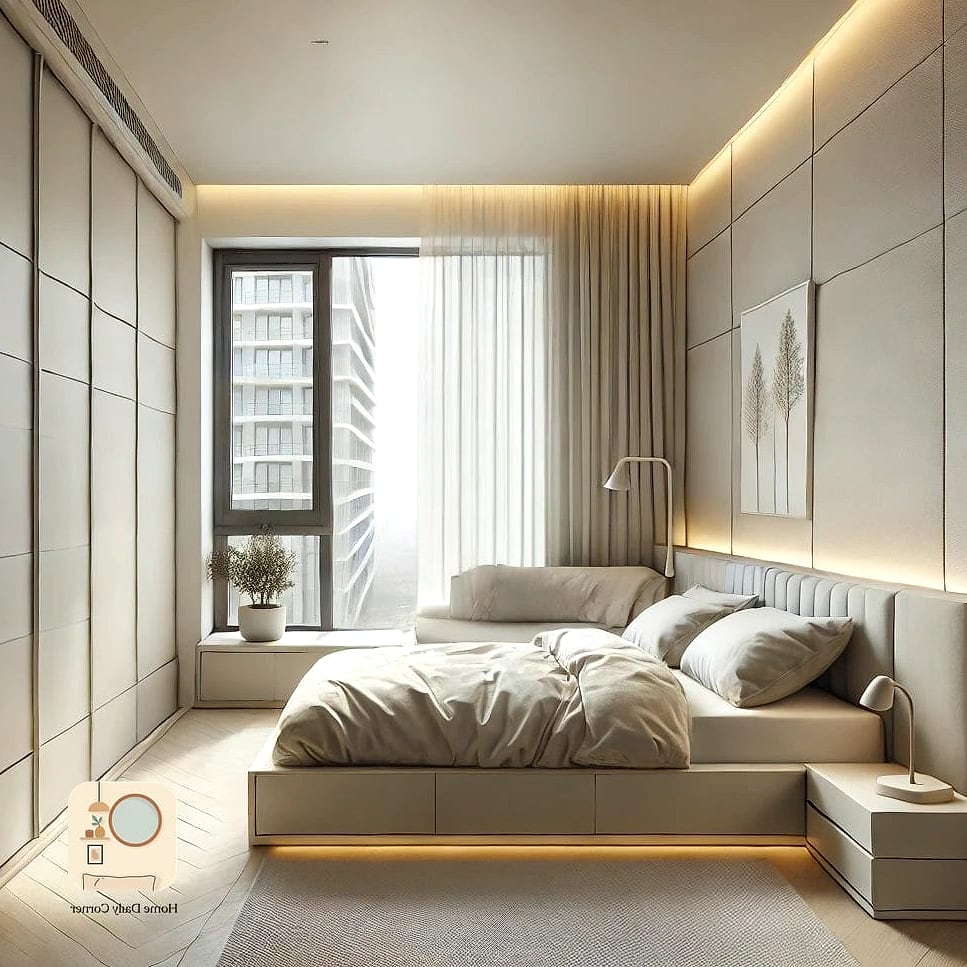
A bulky, ornate dresser can overwhelm a small bedroom fast. Swapping it for a streamlined dresser with a matte finish and simple hardware keeps the room feeling open rather than crowded.
Brushed brass or matte black pulls add a little detail without weighing down the piece visually. If you’re working with an antique or hand-me-down dresser, even just updating the hardware can modernize the whole look.
For very tight rooms, consider a tall, narrow dresser instead of a wide one. It gives you the same storage capacity with a smaller footprint on the floor.
Add Greenery to Soften Hard Edges
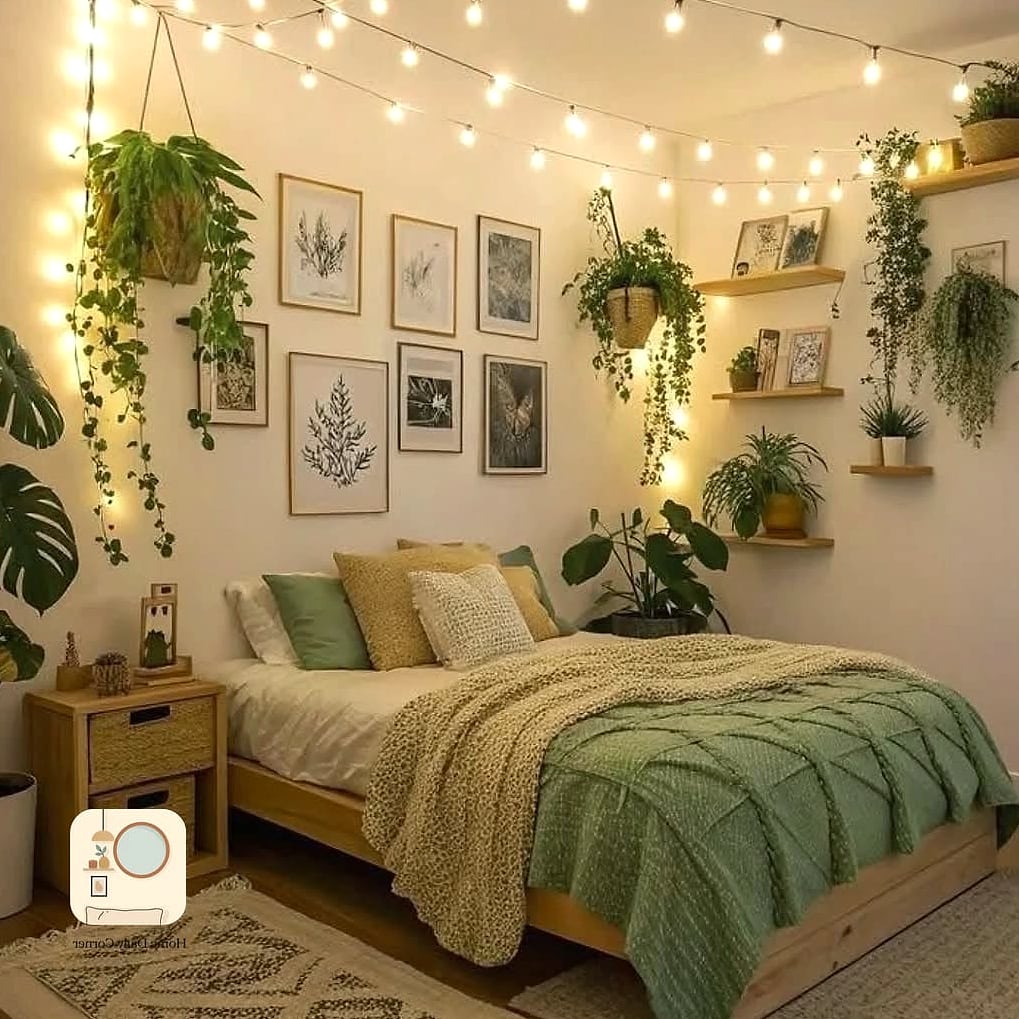
Small bedrooms often end up feeling a bit boxy once the furniture is arranged, and greenery is one of the easiest ways to soften that. A trailing plant on a shelf or a simple potted plant in the corner adds life without taking up much room.
Low-maintenance options like pothos or snake plants are great if you don’t have a ton of natural light or a reliable watering schedule. Faux versions work just as well if you’d rather skip the upkeep entirely.
This is a small detail, but it’s one of those finishing touches that makes a compact bedroom feel more lived-in and personal rather than just functional.
Final Thoughts
Designing a small bedroom really comes down to being intentional with every piece you bring into the room. None of these ideas require a full renovation or a huge budget, they’re more about working smarter with the space you already have. Pick two or three that fit your room’s layout and your personal style, and you’ll be surprised how much bigger and more put-together the space starts to feel.