17 Bed Rooms Ideas Ideas That Will Transform Your Space
- Layer Your Lighting Instead of Relying on One Overhead Fixture
- Add a Statement Headboard
- Bring in a Layered Neutral Color Palette
- Use Floating Nightstands to Free Up Floor Space
- Create a Cozy Reading Nook in an Unused Corner
- Install a Board and Batten Accent Wall
- Swap in Brushed Brass or Matte Black Hardware
- Maximize a Small Bedroom With Vertical Storage
- Add Texture With a Woven or Jute Area Rug
- Go for a Canopy Bed Frame Without the Heavy Drapery
- Create a Gallery Wall Above the Bed
- Use Blackout Curtains for Better Sleep and a Polished Look
- Design a Built-In Window Seat With Storage Underneath
- Bring in Greenery for a Calmer, Softer Feel
- Try a Herringbone or Chevron Wood Accent Wall
- Organize the Closet With a Proper System Instead of Just a Rod
- Add a Bench at the Foot of the Bed
17 Bed Rooms Ideas Ideas That Will Transform Your Space
Your bedroom should feel like an exhale after a long day, not just a place where you happen to sleep. If yours has been feeling flat, mismatched, or just kind of “meh” lately, you’re definitely not alone. A few smart changes can take a room from forgettable to genuinely restful, and you don’t need a full renovation budget to get there. Below are seventeen ideas that cover everything from layout to lighting to storage, so pick and choose what fits your space and your style.
Layer Your Lighting Instead of Relying on One Overhead Fixture

A single ceiling light does the job, but it doesn’t do the room any favors. Layered lighting means combining ambient light with task lighting and a little accent lighting, so you can control the mood depending on the time of day. Think a dimmable overhead fixture, bedside lamps for reading, and maybe a small plug-in sconce near a reading chair. This works especially well in bedrooms used for more than just sleeping, like ones with a desk or lounge corner. Warm-toned bulbs in the 2700K range tend to feel cozier than the cooler white light you’d use in a kitchen. It’s a low-cost swap that makes an outsized difference in how the whole room feels at night.
Add a Statement Headboard
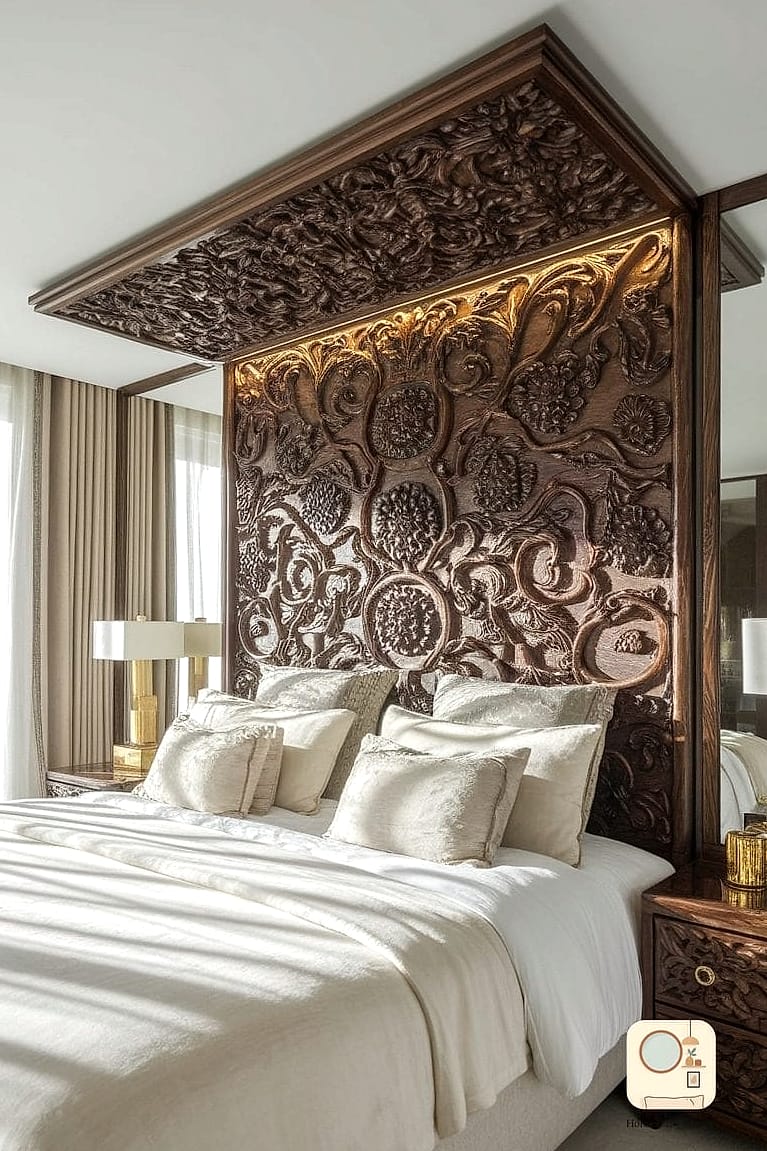
The headboard is basically the anchor of the whole room, so it’s worth giving it some personality. Upholstered headboards in boucle or linen add softness, while a wood or rattan option brings warmth and texture. If you’re renting or working with a tighter budget, there are peel-and-stick wallpaper panels designed to mimic an upholstered look behind the bed. A taller headboard can also make ceilings feel higher, which is a nice trick in older homes with lower ceiling heights. This is one of those upgrades that instantly makes a bedroom feel more custom without requiring a full renovation.
Bring in a Layered Neutral Color Palette
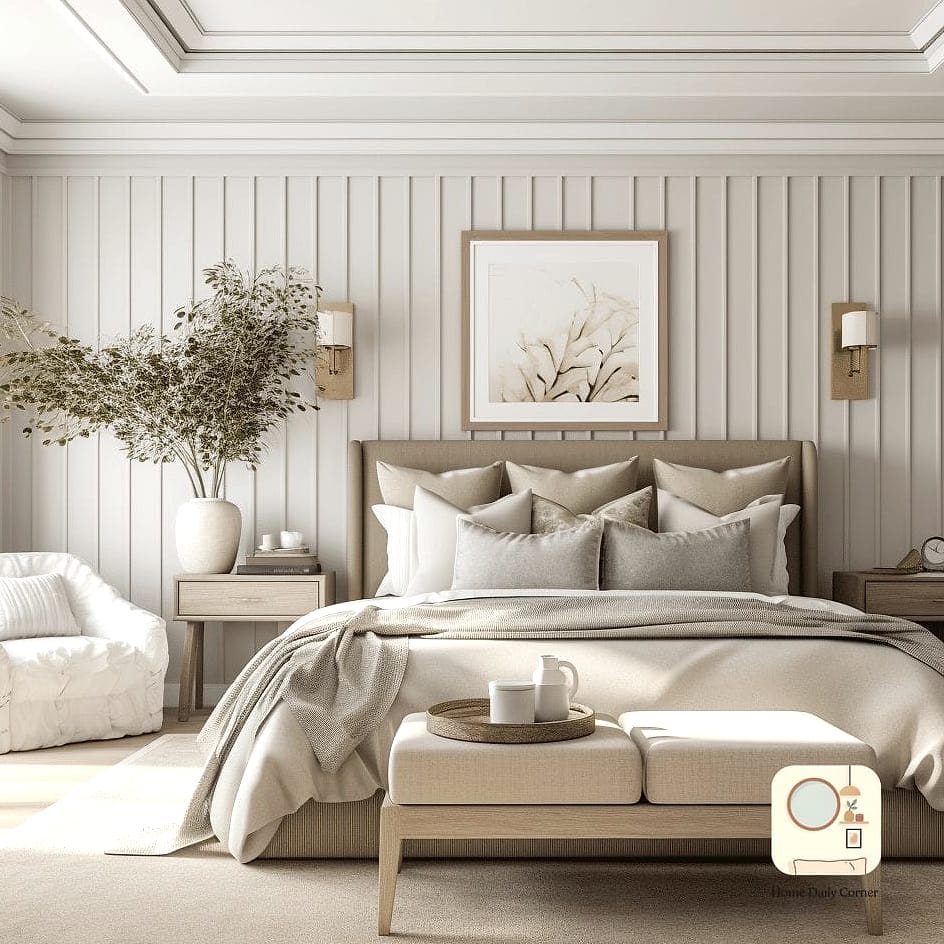
Neutral doesn’t have to mean boring. Layering warm whites, greiges, soft taupes, and deep browns creates depth without overwhelming a small space. This palette works particularly well in bedrooms because it’s calming and doesn’t compete with your brain when you’re trying to wind down. Try mixing matte wall paint with a glossy finish on trim for subtle contrast. Adding one deeper accent, like a chocolate brown nightstand or espresso wood bed frame, keeps things from feeling flat. It’s also a palette that ages well, so you won’t get tired of it in a year or two.
Use Floating Nightstands to Free Up Floor Space
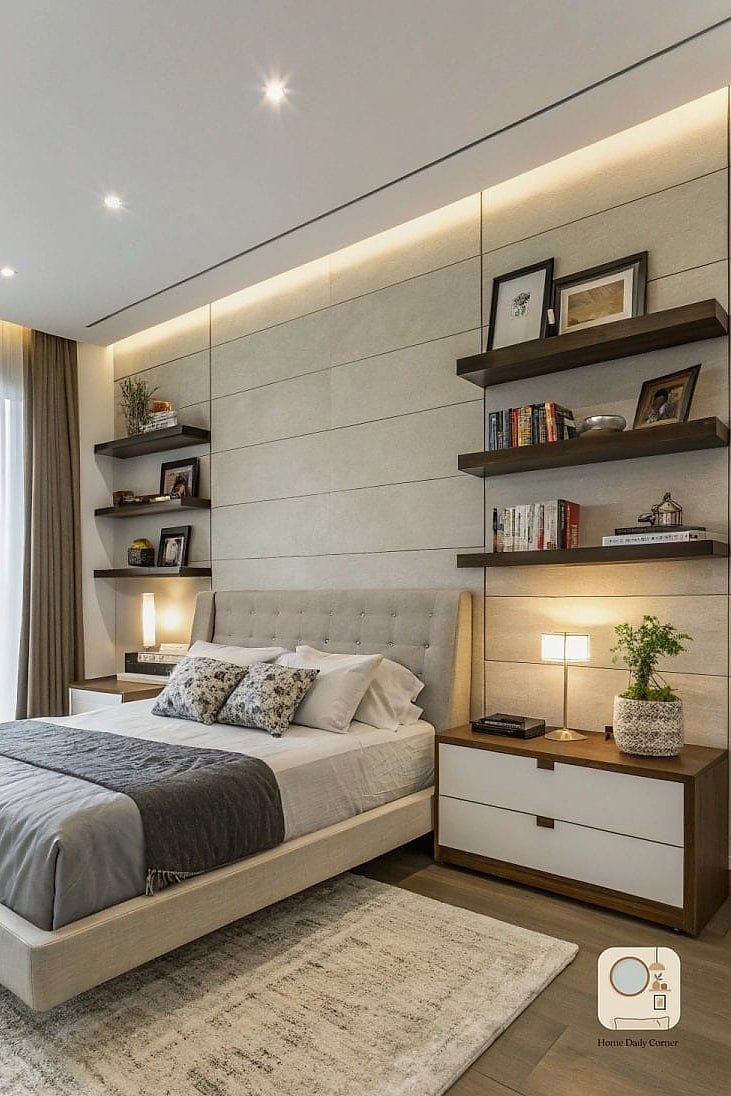
In smaller bedrooms, floor space is precious, and floating nightstands are a clever way to reclaim some of it. They mount to the wall, so there’s no bulky base taking up room, which also makes vacuuming or sweeping underneath way easier. This works particularly well in tight rooms or ones with an awkward layout near the bed. You can find them in wood, metal, or even glass, depending on the vibe you’re going for. Just make sure they’re properly anchored into a stud, since these will be holding lamps, books, and probably a phone charger too.
Create a Cozy Reading Nook in an Unused Corner

If your bedroom has an empty corner that’s just collecting dust, turn it into a reading nook. A comfortable chair, a small side table, a floor lamp, and a soft throw blanket are really all you need. Positioning it near a window adds natural light during the day, which makes the space feel more inviting. This idea works especially well in primary bedrooms with a bit of extra square footage. Add a small basket nearby for current reads so books don’t end up piling on the nightstand.
Install a Board and Batten Accent Wall
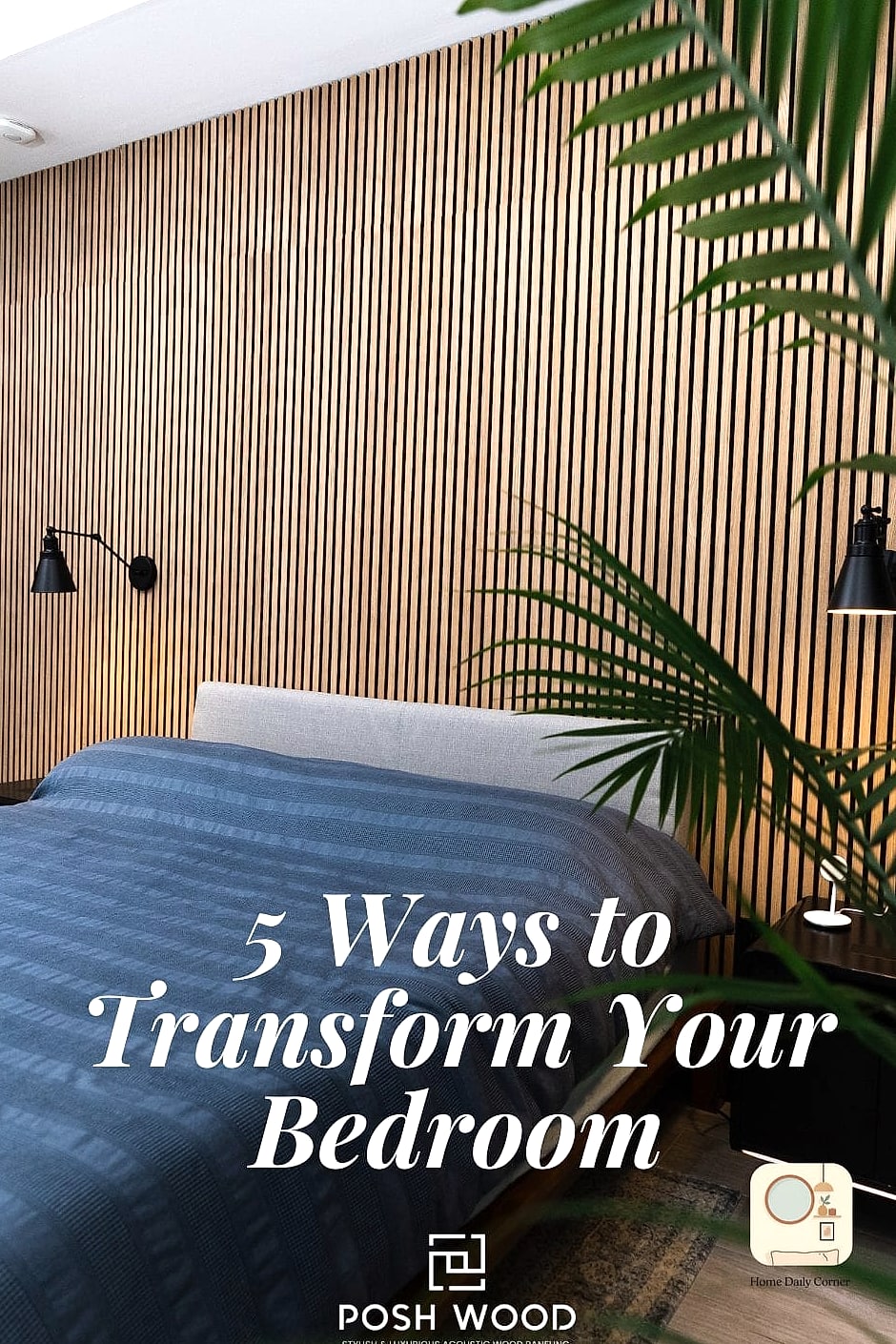
Board and batten adds architectural interest to a room that might otherwise feel plain, and it works in almost any style of home, from farmhouse to modern. Typically installed behind the headboard, it draws the eye and gives the room a finished, intentional feel. You can paint it the same color as the walls for a subtle textured look, or contrast it for more drama. It’s a moderately DIY-friendly project if you’re comfortable with a miter saw, though hiring it out isn’t unreasonable either. Just measure carefully, since uneven spacing is the most common mistake people make with this one.
Swap in Brushed Brass or Matte Black Hardware
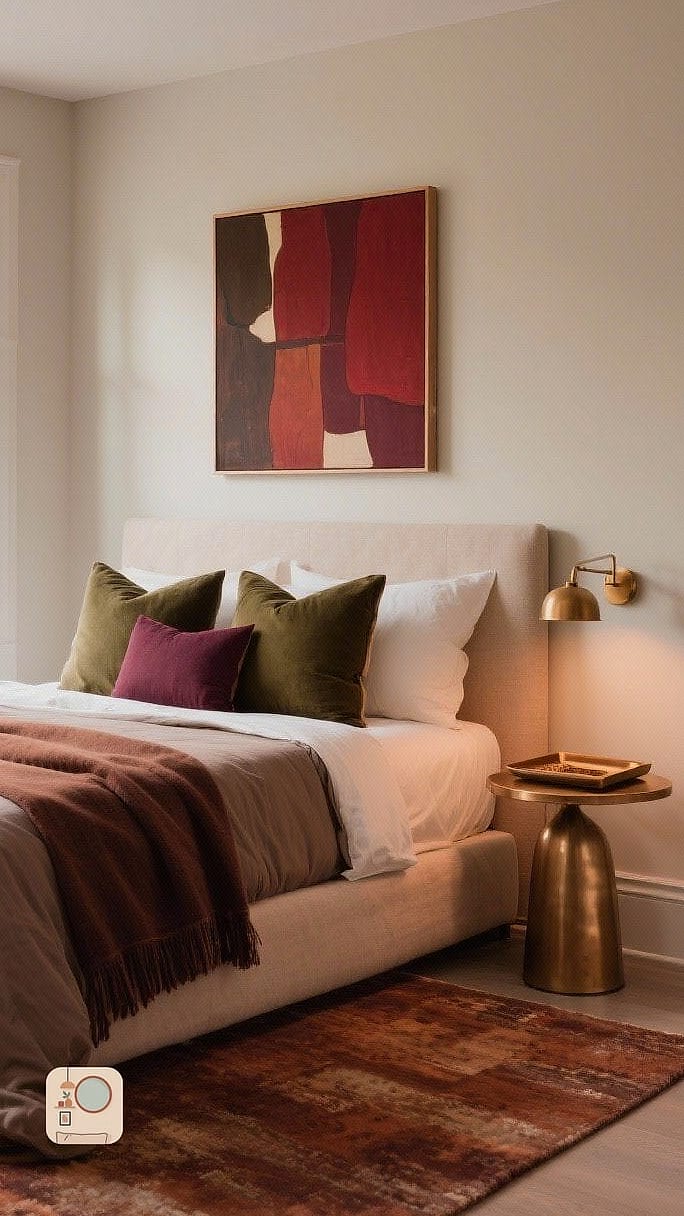
Small hardware details on dressers, nightstands, and closet doors add up to a big style shift. Brushed brass brings warmth and a slightly vintage feel, while matte black leans more modern and moody. This is one of the easiest and cheapest updates on this list, since you’re often just swapping out knobs and pulls rather than buying new furniture. It’s a great weekend project if you want visible results without much effort. Pair the hardware finish with your lighting fixtures for a cohesive look throughout the room.
Maximize a Small Bedroom With Vertical Storage
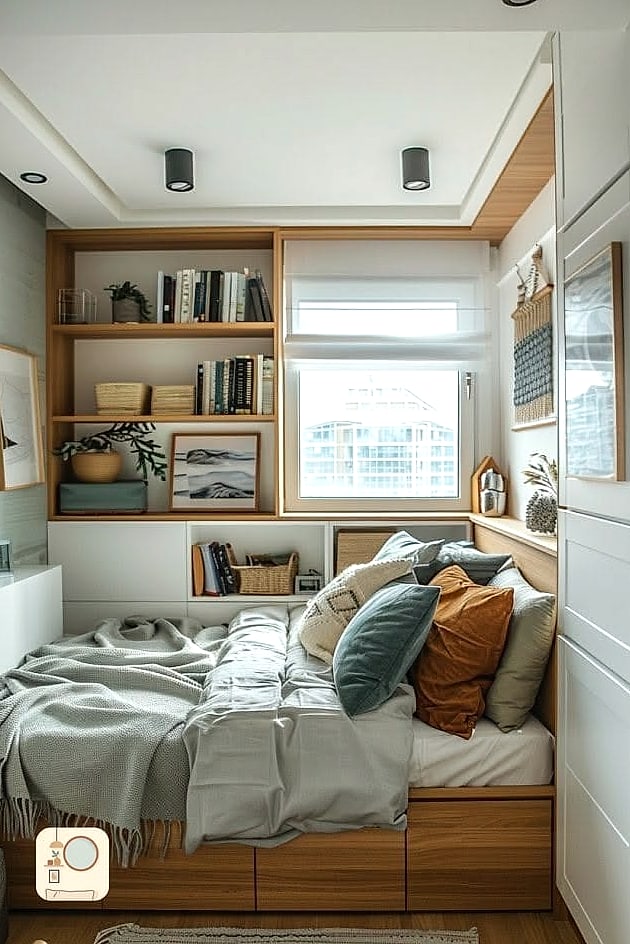
When square footage is limited, the answer is usually to build up instead of out. Tall dressers, floor-to-ceiling shelving, and over-the-door organizers all take advantage of vertical space that often goes unused. This is especially helpful in apartments or older homes with smaller bedroom footprints. Baskets and labeled bins on higher shelves keep things from looking cluttered even when you’re storing a lot. It’s a practical, family-friendly approach, especially in kids’ rooms where toys and clothes multiply fast.
Add Texture With a Woven or Jute Area Rug
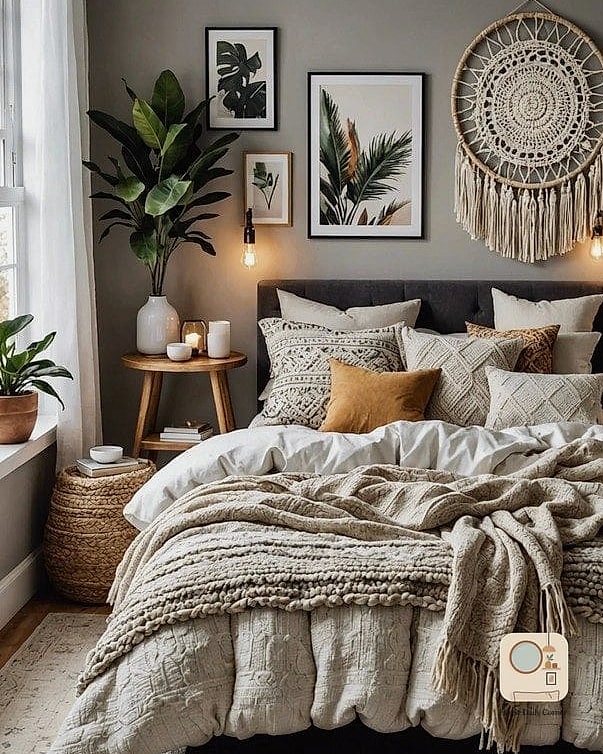
Hard flooring in a bedroom can feel cold, both literally and visually, and a woven rug solves both problems. Jute and sisal rugs bring natural texture and work well with a neutral or earthy color palette. They’re also fairly durable and forgiving with everyday wear, which makes them a solid pick for pet-friendly households, though very fine sisal weaves can occasionally snag from claws. Layering a smaller, softer rug on top near the bed adds comfort underfoot when you first wake up. This is a simple way to ground the room and tie the furniture together visually.
Go for a Canopy Bed Frame Without the Heavy Drapery
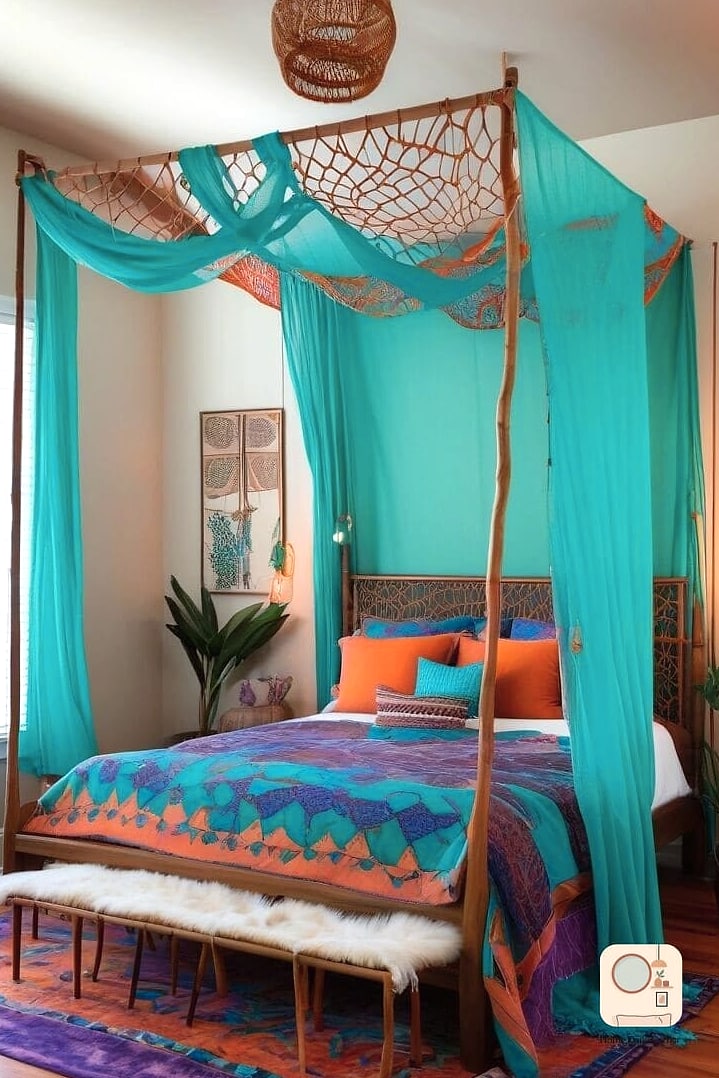
Canopy beds have made a comeback, but the modern version skips the heavy fabric curtains of the past. A simple metal or wood canopy frame adds height and architectural interest without making the room feel closed in. This works particularly well in bedrooms with higher ceilings, where the extra vertical element helps balance the proportions. If you want a softer look, you can drape a lightweight linen panel over just one side instead of the whole frame. It’s a striking focal point that doesn’t require much else in the way of decor.
Create a Gallery Wall Above the Bed
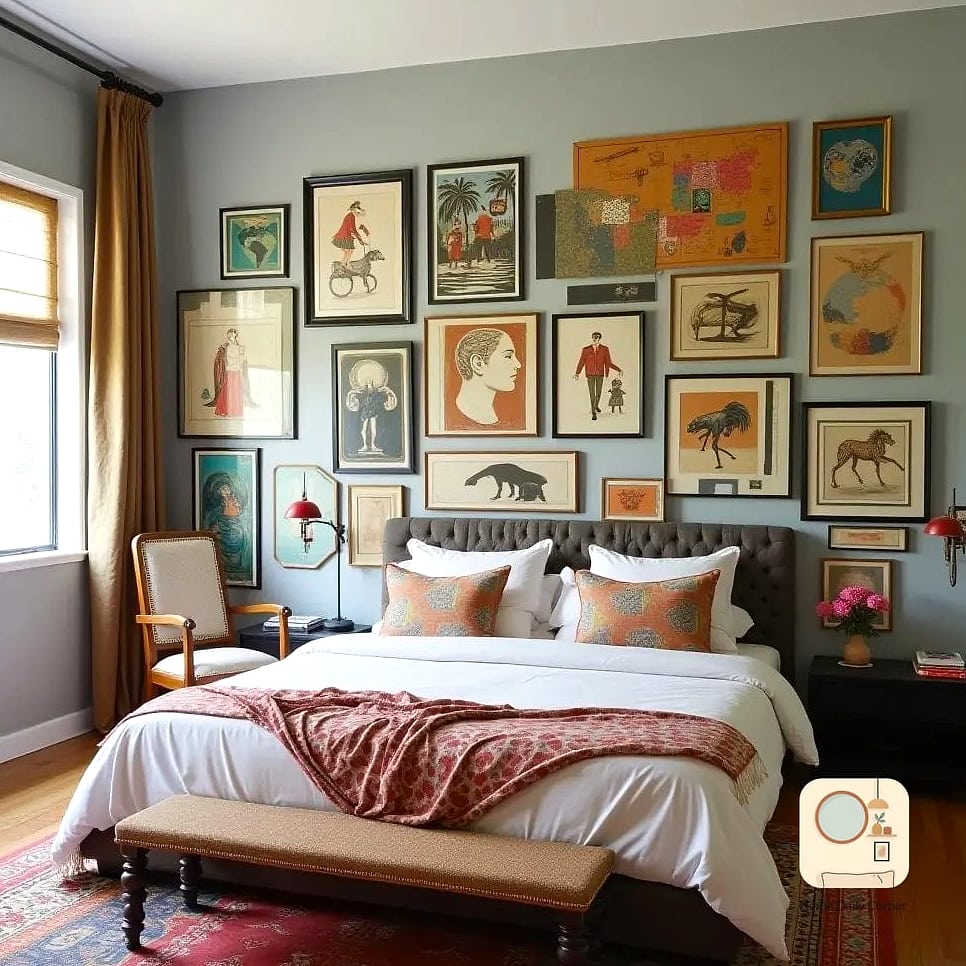
Instead of one large piece of art, consider grouping several smaller frames into a gallery wall above the headboard. Mixing frame sizes and finishes, like a few matte black frames with one or two wood ones, keeps it from looking too matchy. This is a great way to display personal photos, prints, or even pressed botanicals if you want something more organic. Painter’s tape and paper templates on the wall beforehand can save you from a lot of unnecessary nail holes. It’s a budget-friendly way to fill a large blank wall that instantly makes the room feel more personal.
Use Blackout Curtains for Better Sleep and a Polished Look
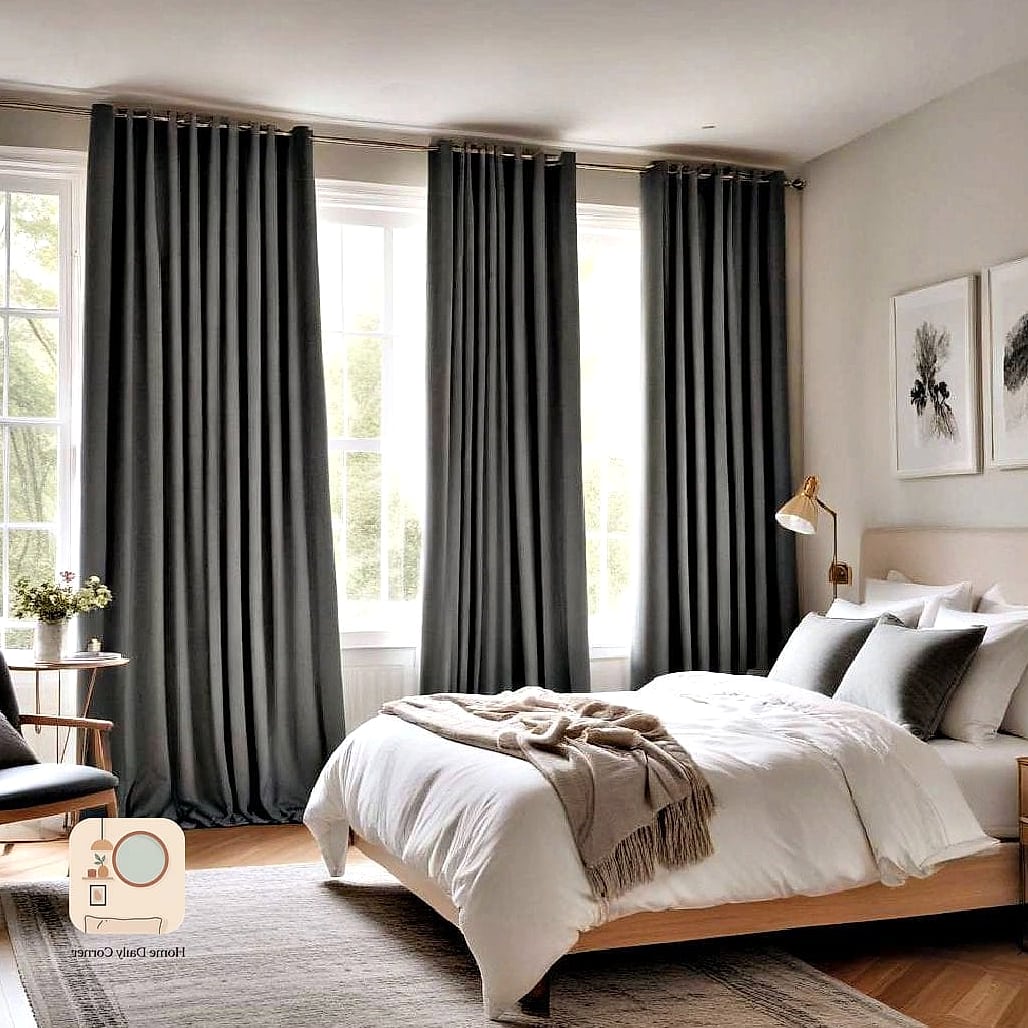
Blackout curtains do double duty: they block out streetlights and early morning sun, and they also add a finished, layered look to windows. Hanging the curtain rod higher and wider than the window frame makes the window itself look bigger, which is a nice bonus. Look for linen-blend blackout options if you want the coziness of linen without giving up the light-blocking function. This is especially useful for anyone who works night shifts or just struggles with early sunrise in summer months. It’s a small change that has a real impact on sleep quality, not just aesthetics.
Design a Built-In Window Seat With Storage Underneath
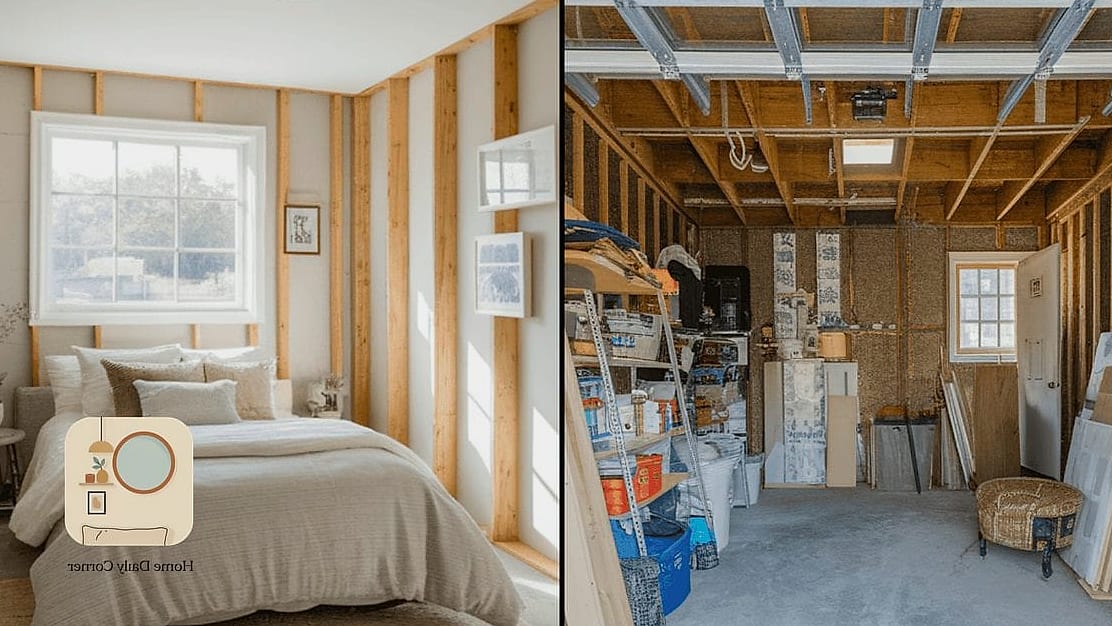
If your bedroom has a window with a decent amount of wall space beneath it, a built-in window seat is worth considering. It adds a cozy spot to sit, and the space underneath can be fitted with drawers or a lift-top bench for extra storage. This is a great solution for bedrooms that need more storage but don’t have room for another dresser. Adding a cushion and a few throw pillows makes it functional and inviting at the same time. It’s a bigger project, so it’s worth consulting a contractor if you’re not comfortable with the carpentry yourself.
Bring in Greenery for a Calmer, Softer Feel

Plants add life to a bedroom in a way that decor alone can’t quite match. Low-maintenance options like pothos, snake plants, or ZZ plants tolerate lower light and irregular watering, which makes them realistic choices for a bedroom rather than a sunroom. A tall plant in a floor corner adds height, while a smaller one on the nightstand softens the space near the bed. If you don’t trust yourself with real plants, a well-made faux version can still add that same organic texture. Either way, greenery has a way of making a room feel more alive and less staged.
Try a Herringbone or Chevron Wood Accent Wall
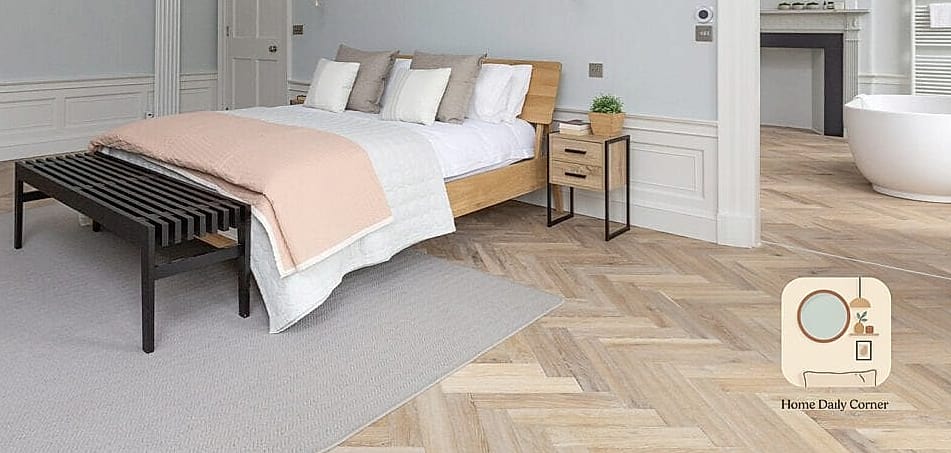
For something a little more dramatic than board and batten, a herringbone or chevron wood accent wall brings serious texture and visual interest. This works particularly well as a headboard wall, giving the bed a built-in focal point without needing an elaborate headboard at all. Stained wood brings warmth, while a whitewashed or painted finish feels more modern and light. It’s a more involved DIY project, so take your time with the layout before committing to adhesive or nails. The payoff is a wall that looks custom and expensive, even if the material cost was fairly reasonable.
Organize the Closet With a Proper System Instead of Just a Rod
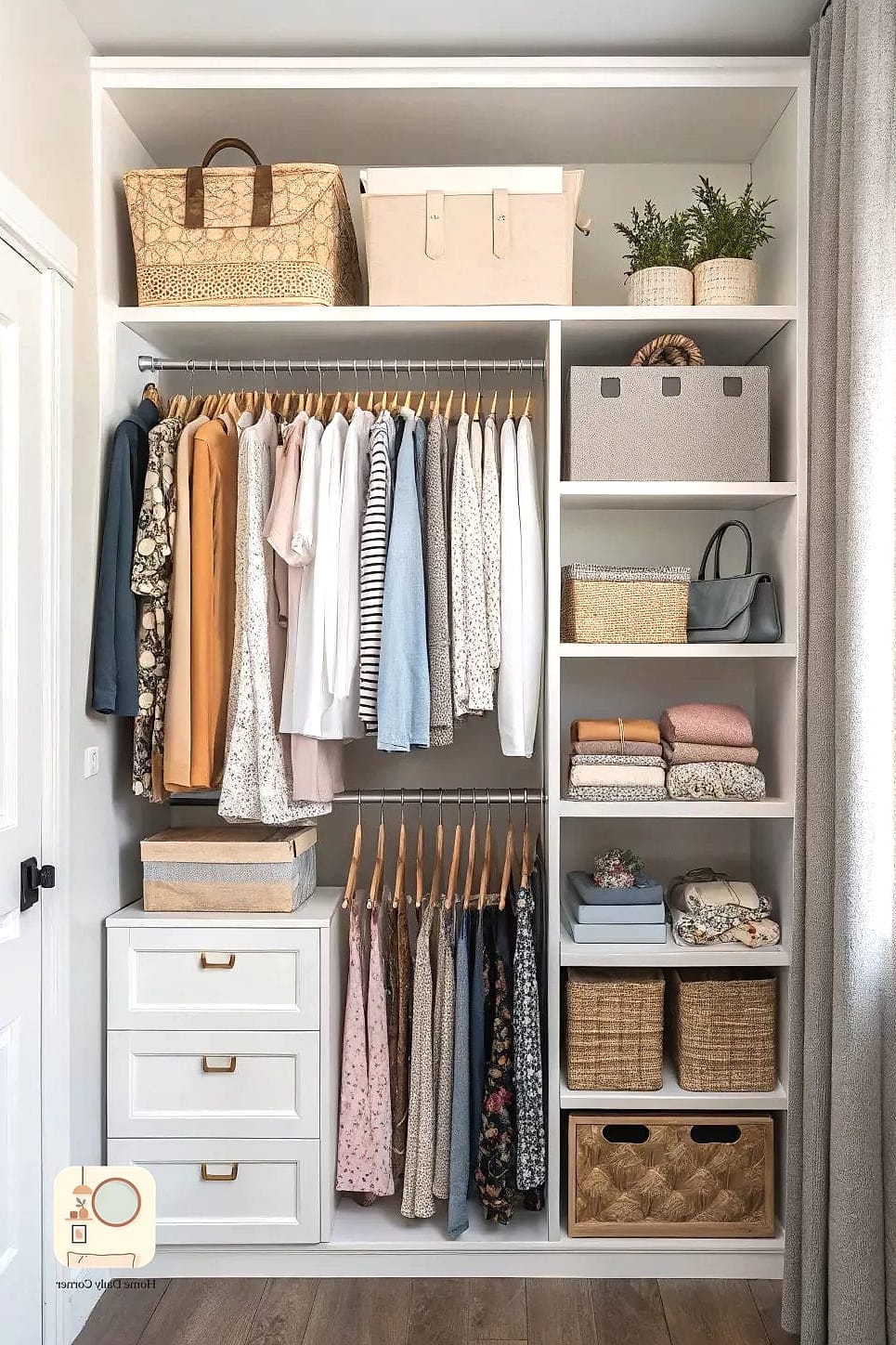
An organized closet has more of an effect on how a bedroom feels than people expect, mostly because clutter has a way of creeping out into the room itself. Adding a proper shelving and drawer system, rather than relying on a single rod and shelf, makes a huge difference in how much you can store and how easy it is to find things. Clear bins and labeled baskets help keep smaller items like accessories or off-season clothes contained. This is a worthwhile project whether you’re working with a walk-in or a small reach-in closet. A well-organized closet also just makes mornings less stressful, which is reason enough on its own.
Add a Bench at the Foot of the Bed
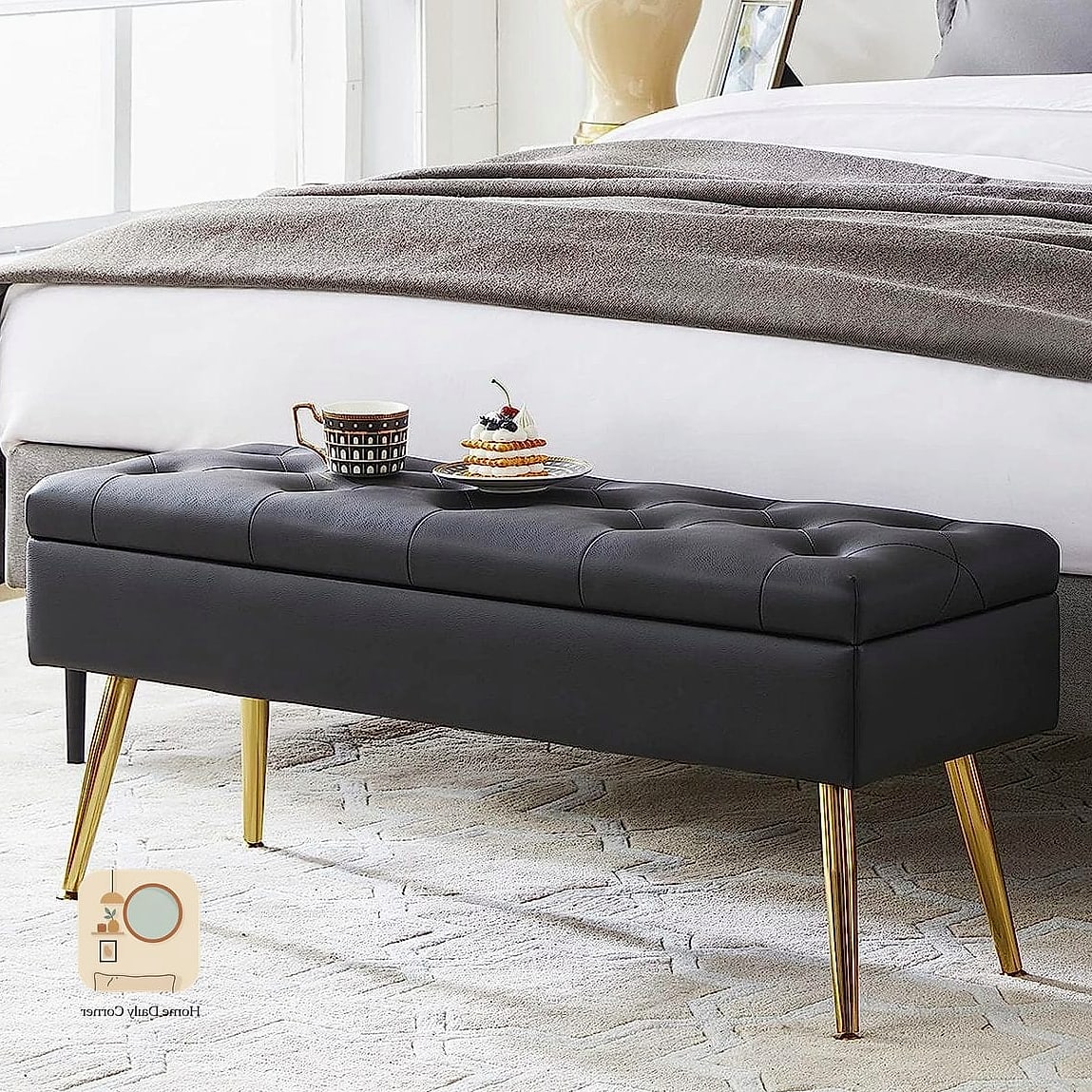
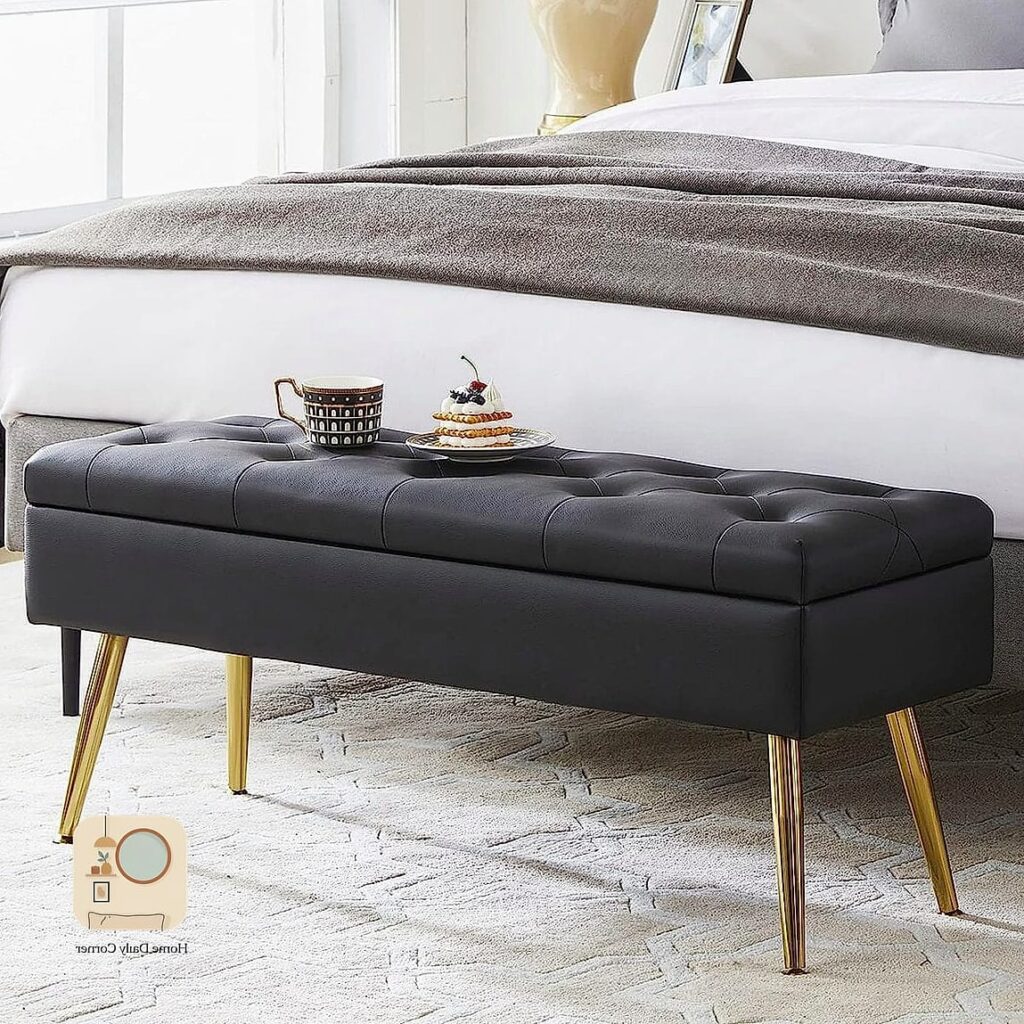
A bench at the foot of the bed is one of those details that looks intentional and pulled-together without much effort. It’s practical too, giving you a spot to sit while putting on shoes or a place to lay out clothes the night before. Upholstered benches add softness, while a wood or woven option leans more casual and textural. Choose one slightly narrower than your bed frame so it doesn’t overwhelm the space visually. It’s a small furniture piece, but it rounds out the room in a way that’s hard to achieve with wall decor alone.
Putting a handful of these ideas together, rather than trying to do all seventeen at once, is usually the most realistic approach. Start with whatever’s bothering you most, whether that’s flat lighting, a cluttered closet, or a headboard that’s seen better days, and build from there. A bedroom doesn’t need to be finished all at once to start feeling more like the retreat you actually want it to be.