10 Bedroom Ideas For Small Rooms Ideas to Upgrade Your Home This Weekend
- Swap Your Bed Frame for One with Built-In Storage
- Go Vertical with Wall-Mounted Shelving
- Choose a Light, Neutral Color Palette
- Hang Curtains High and Wide
- Use a Mirror to Bounce Light Around
- Add a Slim Nightstand or Floating Ledge
- Maximize Closet Storage with Organizers
- Choose Furniture That’s Scaled to the Room
- Layer Your Lighting Instead of Relying on One Fixture
- Keep Decor Minimal and Intentional
10 Bedroom Ideas For Small Rooms Ideas to Upgrade Your Home This Weekend
A small bedroom can feel cramped fast, especially once you add a bed, a dresser, and whatever else life tends to pile up in there. But small doesn’t have to mean boring or chaotic. With a few smart choices, you can make a tiny room feel calm, organized, and actually enjoyable to wake up in. Here are ten bedroom ideas for small rooms that you can realistically start this weekend, no contractor required.
Swap Your Bed Frame for One with Built-In Storage
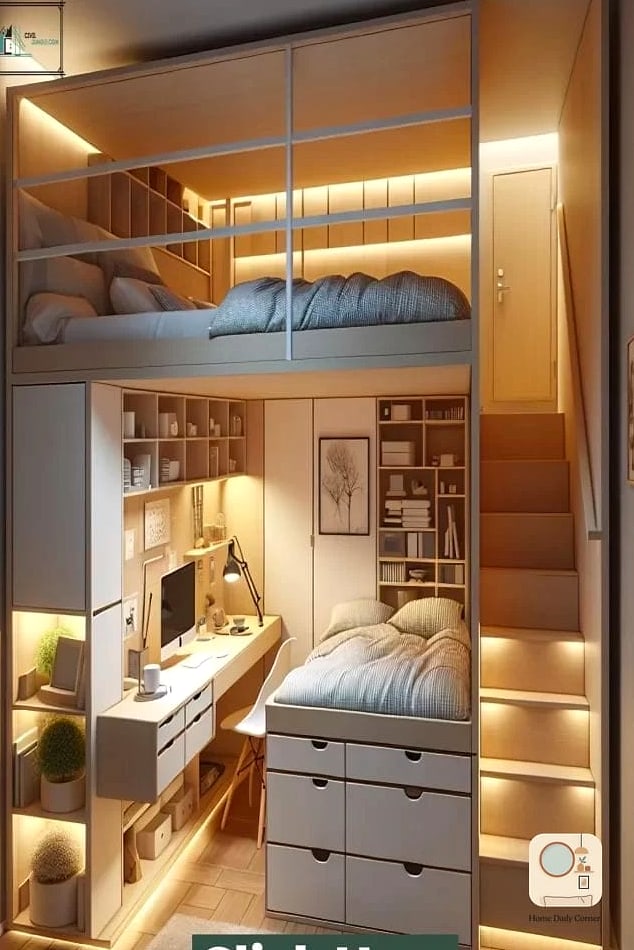
If your small bedroom is short on closet space, your bed frame can quietly do double duty. Platform beds with drawers underneath give you a place to stash extra linens, off-season clothes, or shoes without eating up floor space anywhere else.
This works especially well in apartments or guest rooms where a dresser just won’t fit comfortably. Look for frames with drawers on both sides so you’re not wasting storage on the side pushed against a wall.
Wood tones in warm oak or walnut tend to make the piece feel more like furniture and less like a storage unit. If you’re renting or on a budget, under-bed bins with wheels are a solid stand-in until you can invest in a proper frame.
Go Vertical with Wall-Mounted Shelving
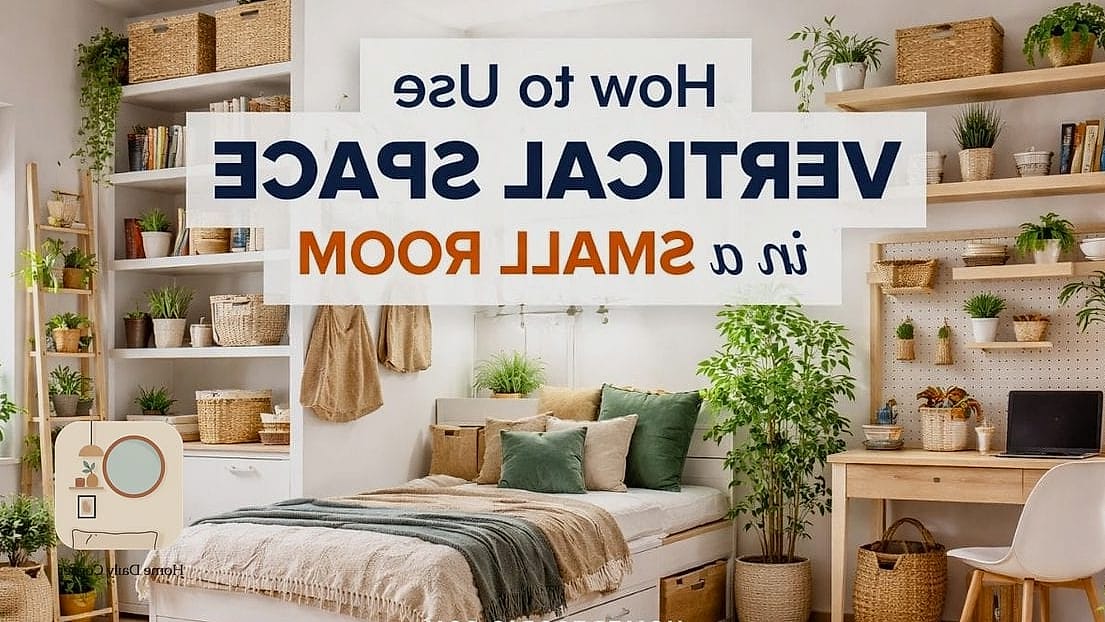
When floor space is tight, the walls are your best friend. Floating shelves let you display books, plants, or framed photos without adding bulky furniture that eats into your walking room.
Install a few shelves in a staggered layout above a nightstand or reading chair for a look that feels intentional rather than crowded. Keep the styling simple, maybe three or four items per shelf, so it doesn’t start to feel cluttered again.
This is also one of the more renter-friendly upgrades on this list. Many floating shelves use removable hardware that won’t leave much damage behind. If you’re nervous about drilling, command-strip shelving kits have gotten surprisingly sturdy for lightweight items.
Choose a Light, Neutral Color Palette
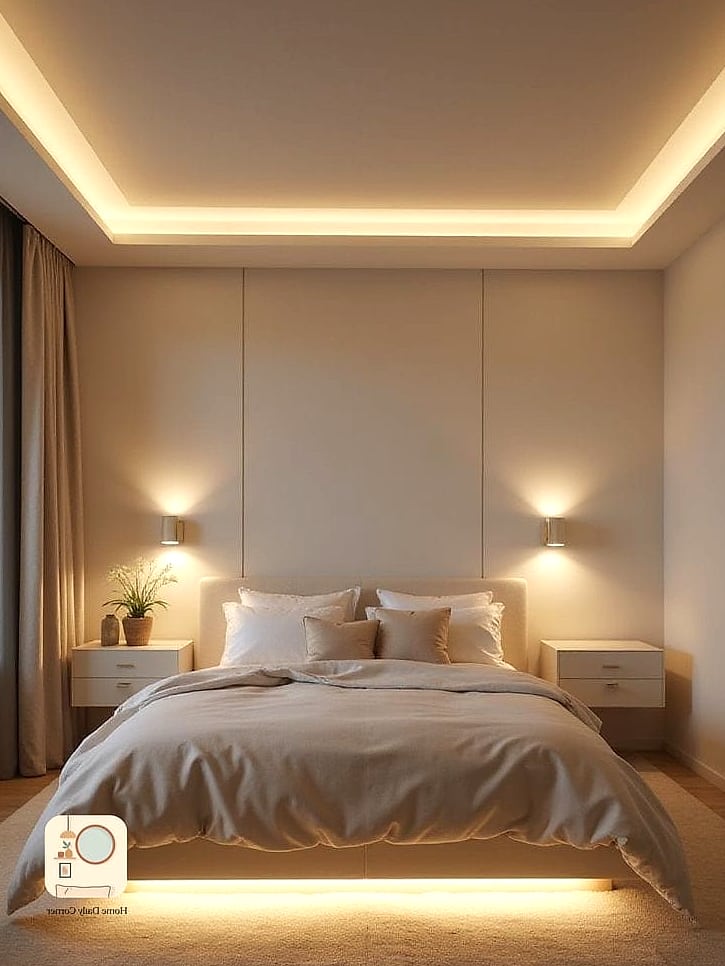
Dark, moody bedrooms look great in photos, but in a genuinely small room they can make the walls feel like they’re closing in. Sticking with a neutral color palette, think soft whites, warm greiges, or pale sage, helps bounce light around and makes the space read larger than it is.
This doesn’t mean the room has to feel sterile. Layer in texture through a woven rug, linen bedding, or a wood accent piece to keep things from feeling flat. Even a single accent wall in a slightly deeper shade can add character without overwhelming the room.
Paint is one of the cheapest upgrades you can make, and a fresh coat over a weekend can genuinely change how a small bedroom feels to walk into.
Hang Curtains High and Wide
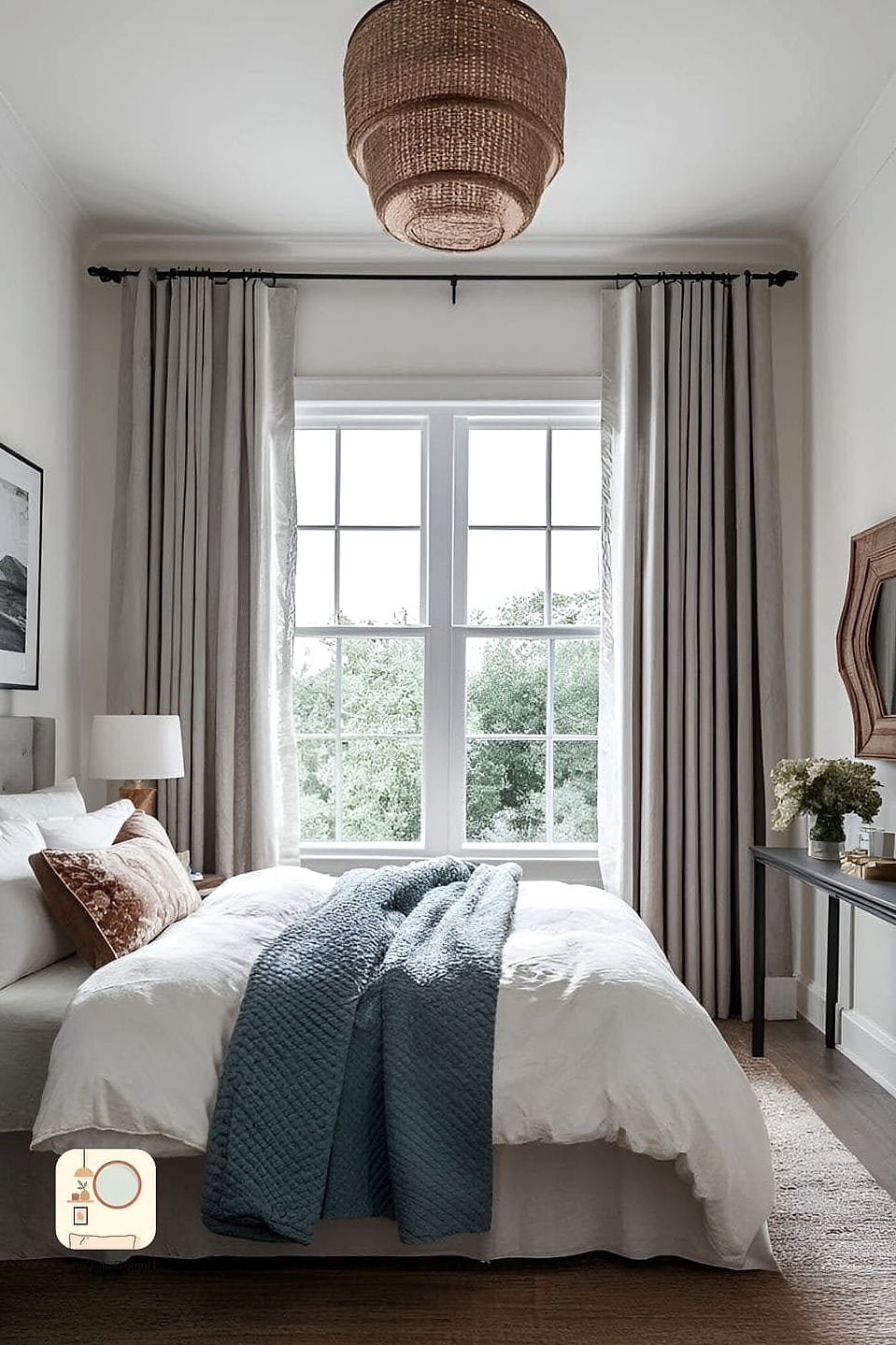
Here’s a trick a lot of interior designers swear by: mount your curtain rod higher than the window frame and extend it a few inches past the edges on each side. It tricks the eye into thinking the window, and the room, is bigger than it actually is.
Choose lightweight fabrics like linen or cotton in a color close to your wall for a seamless look, or go with sheer panels if you want to keep as much natural light in as possible. Floor-to-ceiling curtains also add a bit of drama without taking up any actual square footage.
This is an easy Saturday afternoon project since it usually just requires a drill, a level, and about twenty minutes.
Use a Mirror to Bounce Light Around
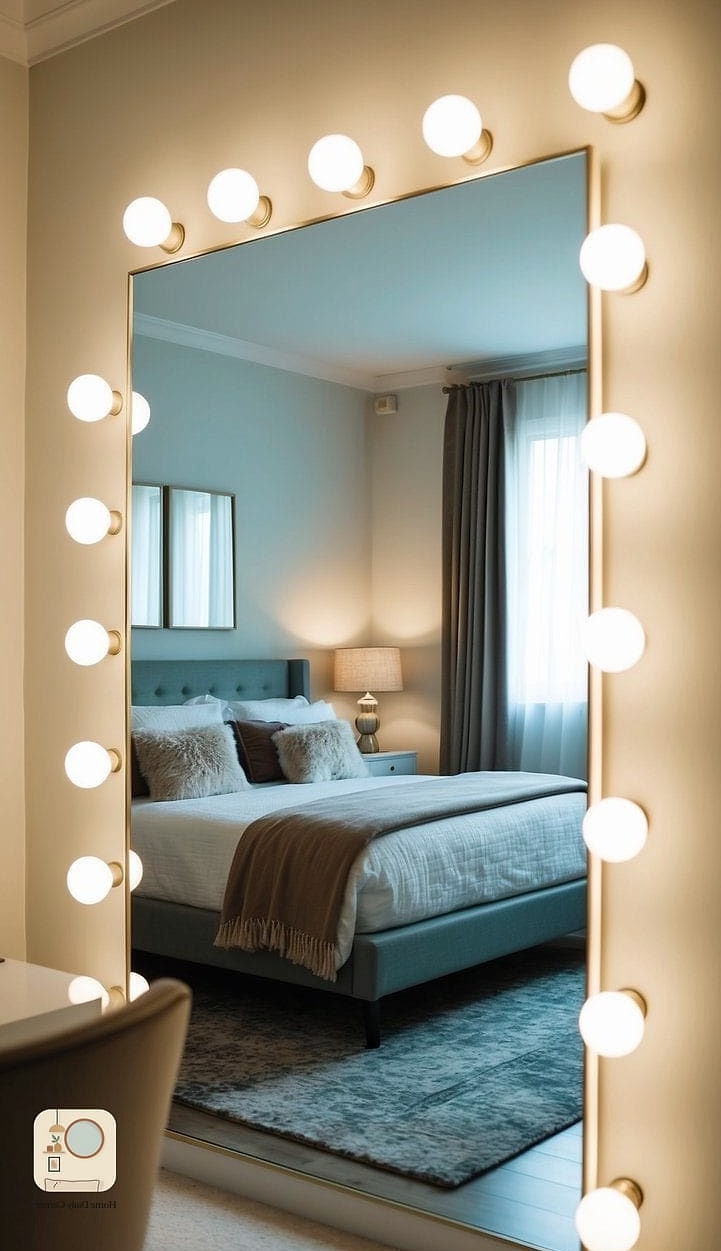
A well-placed mirror does more for a small bedroom than almost any other single item. It reflects natural light, creates the illusion of depth, and gives the room a brighter, more open feeling almost instantly.
A full-length leaning mirror works well in a corner that’s otherwise dead space, while a larger mirror hung across from a window can double the amount of light bouncing through the room. Brushed brass or black metal frames add a little polish if you want something more styled than a plain glass edge.
Just be thoughtful about placement. You don’t want a mirror directly facing the bed if it feels distracting, but angled toward a window usually does the trick.
Add a Slim Nightstand or Floating Ledge
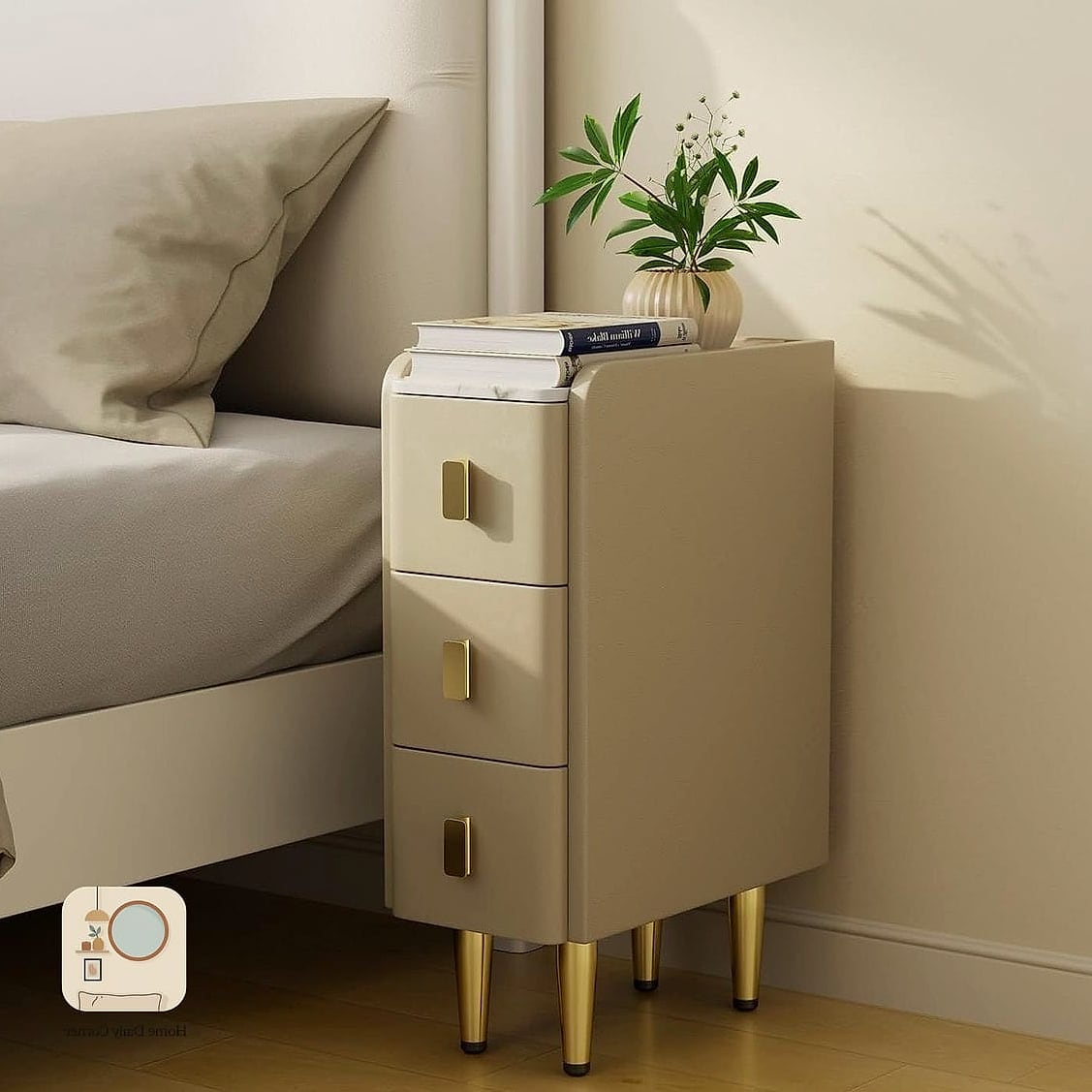
Full-size nightstands can eat up more space than people realize, especially in a room where every inch counts. Swapping to a slim console table or a floating wall-mounted ledge keeps a spot for your lamp and phone charger without crowding the walkway around your bed.
Floating ledges are particularly good for rooms where even a small table would block a door or closet swing. They also make it easier to keep the floor clear for cleaning, which is a nice bonus if you’ve got pets or allergies to think about.
If you like the look of a traditional nightstand but need something narrower, measure your gap carefully before shopping. A lot of brands now make slim 12 to 14 inch options specifically for tight bedrooms.
Maximize Closet Storage with Organizers
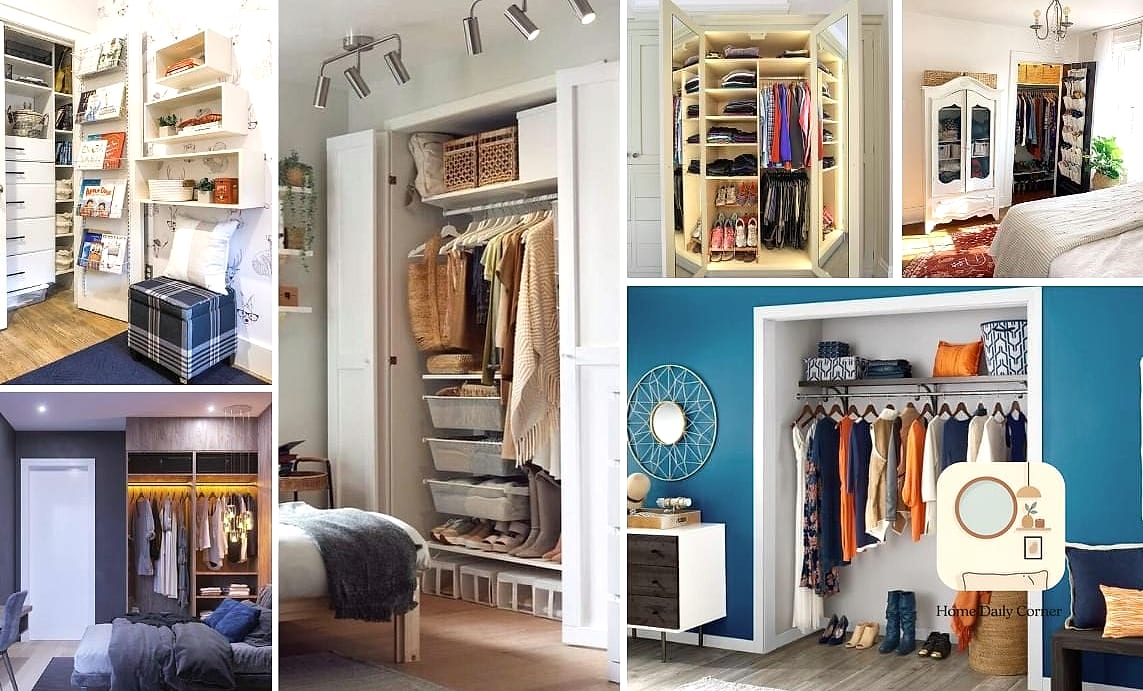
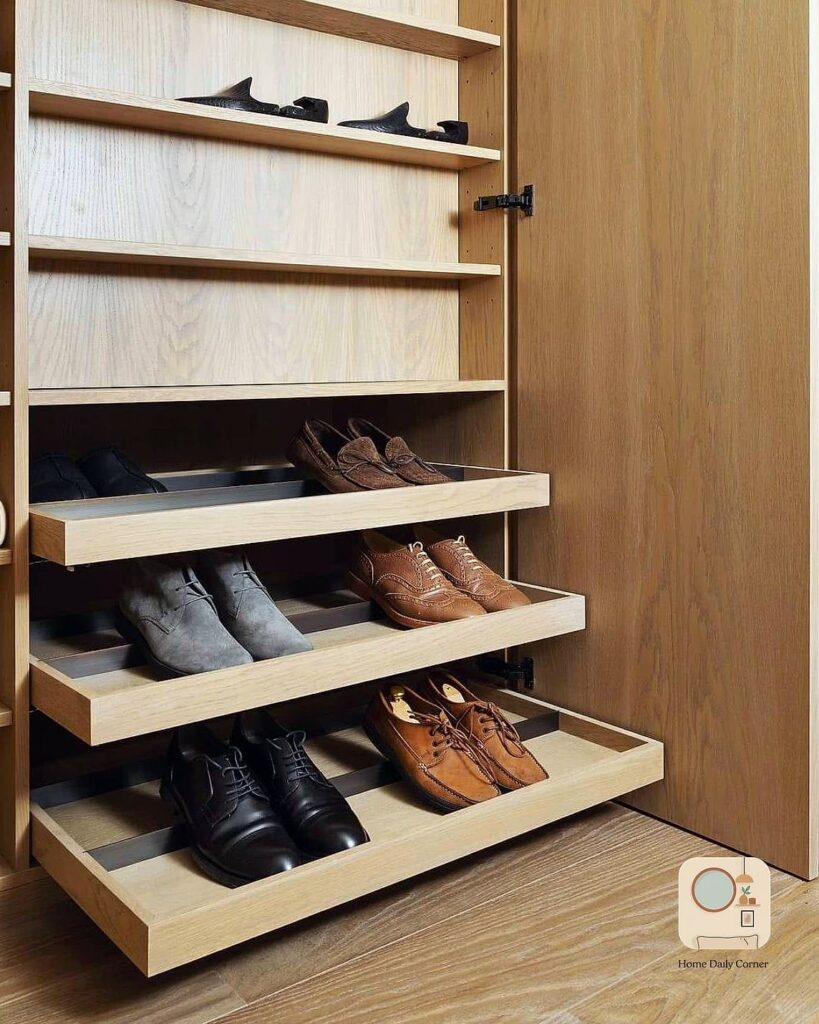
Sometimes the bedroom itself isn’t the problem, it’s the closet not pulling its weight. Adding closet organizers, stackable bins, hanging shelf dividers, or an over-the-door shoe rack can free up a surprising amount of room elsewhere in the space.
Double hang rods instantly create more storage for shirts and folded items without needing a full closet renovation. Clear bins on a shelf let you see what’s inside at a glance, which makes mornings less chaotic too.
This is a budget-friendly weekend project since most of these organizers are available at hardware or home stores and don’t require any tools beyond a screwdriver.
Choose Furniture That’s Scaled to the Room
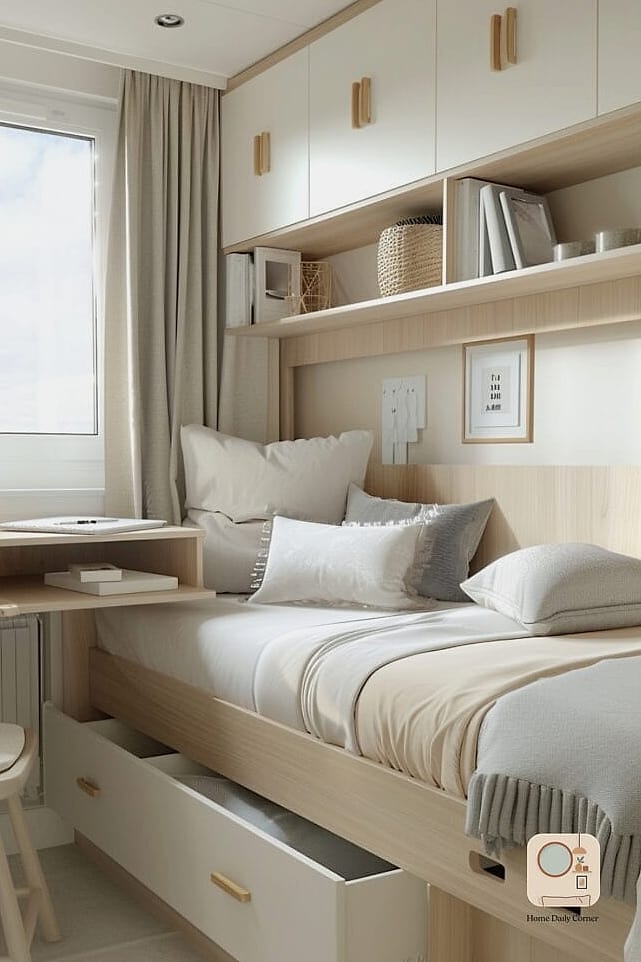
It’s tempting to buy furniture based on what looks good in a showroom, but in a small bedroom, scale matters more than style. A dresser that’s a few inches narrower or a chair with slimmer arms can make the difference between a room that flows and one that feels like an obstacle course.
Measure your space before you shop, and don’t be afraid to sketch out a rough layout on paper first. Multi-functional pieces, like an ottoman with hidden storage or a desk that folds against the wall, are worth considering if your bedroom doubles as a workspace.
Lighter-colored wood or matte finishes also tend to feel less heavy in a small room compared to dark, glossy furniture.
Layer Your Lighting Instead of Relying on One Fixture
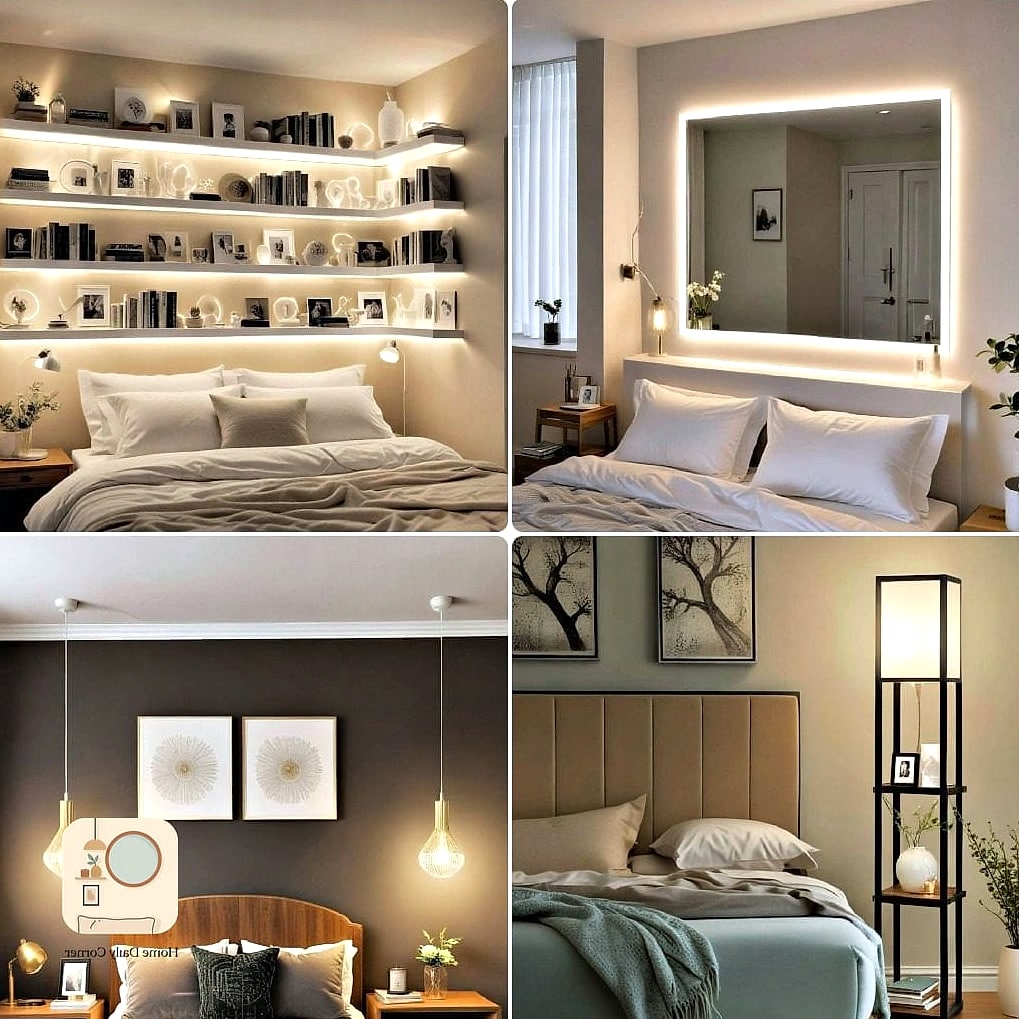
A single overhead light can make a small bedroom feel flat and a little clinical. Layering in a few different light sources, a bedside lamp, a plug-in wall sconce, maybe some warm string lights, adds depth and makes the room feel cozier in the evening.
Dimmable bulbs are worth the small upgrade cost since they let you shift from bright and functional during the day to soft and relaxed at night. If you’re renting and can’t rewire anything, plug-in sconces with cord covers are an easy workaround that still gives you that built-in look.
Warm white bulbs, generally in the 2700K to 3000K range, tend to feel more inviting than cooler daylight tones in a bedroom setting.
Keep Decor Minimal and Intentional
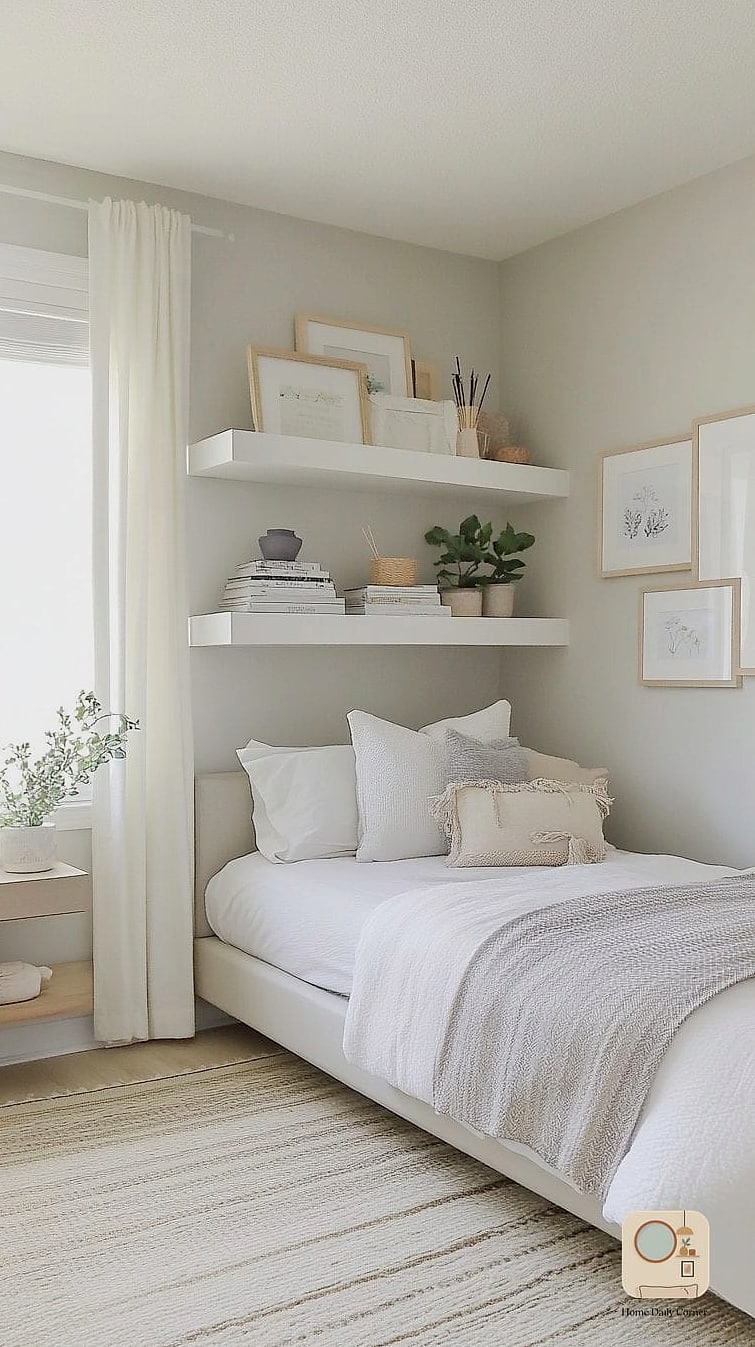
It’s easy to want to fill every wall and surface, but in a small bedroom, restraint usually wins. Choosing a few meaningful pieces, a piece of art you actually love, a plant that thrives indoors, a textured throw blanket, tends to look more put-together than a room packed with knickknacks.
This doesn’t mean the space has to feel empty or unfinished. It just means being selective. A gallery wall of three or four frames often reads better in a tight space than one covering an entire wall.
If you tend to accumulate seasonal decor, consider rotating pieces in and out rather than displaying everything at once. It keeps the room feeling fresh without adding visual clutter, and it gives you something to look forward to switching up each season.
Small bedrooms come with real challenges, but they also come with a chance to get creative. You don’t need a big budget or a full weekend of demolition to make a noticeable difference. Pick two or three ideas from this list that fit your space and your style, and you’ll likely be surprised how much bigger and calmer the room feels by Sunday night.