
18 Small Room Decor Bedroom Before and After Transformations to Inspire
- The Bed-Against-the-Corner Fix
- Swapping a Bulky Dresser for Wall-Mounted Storage
- Painting the Ceiling to Trick the Eye
- Replacing Nightstands with Wall-Mounted Shelves
- Adding a Statement Headboard Instead of More Furniture
- Using a Daybed Instead of a Standard Bed Frame
- Installing a Curtain Instead of a Closet Door
- Layering Lighting Instead of Relying on One Overhead Fixture
- Going Vertical with a Loft or Elevated Bed Frame
- Using a Round Rug to Soften Sharp Corners
- Mirror Placement to Expand the Visual Space
- Built-In Window Seat with Hidden Storage
- Swapping Heavy Curtains for Light, Airy Fabric
- Creating a Gallery Wall Instead of Bulky Wall Art
- Under-Bed Storage Bins to Reclaim Closet Space
- Painting an Accent Wall to Add Depth
- Replacing a Full-Size Dresser with a Bar Cart or Slim Cabinet Repurpose
- Adding Greenery to Soften a Sparse Room
18 Small Room Decor Bedroom Before and After Transformations to Inspire
There’s something almost addictive about a good before and after. You see the cramped, cluttered “before” photo and think, that could never work — and then the after shows up and completely changes your mind. Small bedrooms get a bad reputation, but honestly, some of the most charming, functional spaces I’ve come across started out as awkward, tiny, barely-usable rooms.
If you’re staring down a small bedroom wondering what’s even possible, these eighteen transformations should give you plenty to work with. Some are budget-friendly weekend projects, others are bigger overhauls, but all of them prove that square footage isn’t really the limiting factor people think it is.
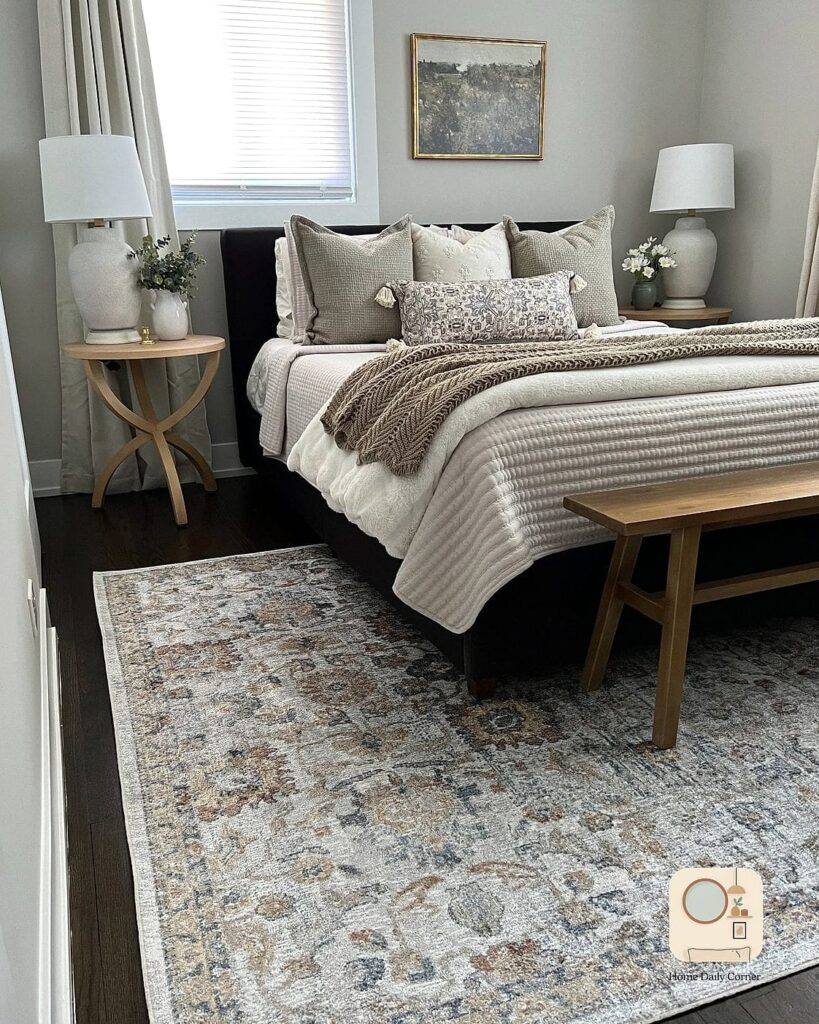
The Bed-Against-the-Corner Fix
This one shows up constantly because it works so well. A bed pushed dead-center against a wall eats up floor space on both sides, but angling it into a corner frees up an entire pathway.
The before usually shows a room where you can barely open a dresser drawer. The after has a diagonal bed placement with a small triangular shelf or plant filling the leftover corner space behind it.
It’s renter-friendly, costs nothing, and works especially well in oddly shaped rooms with awkward window placement.
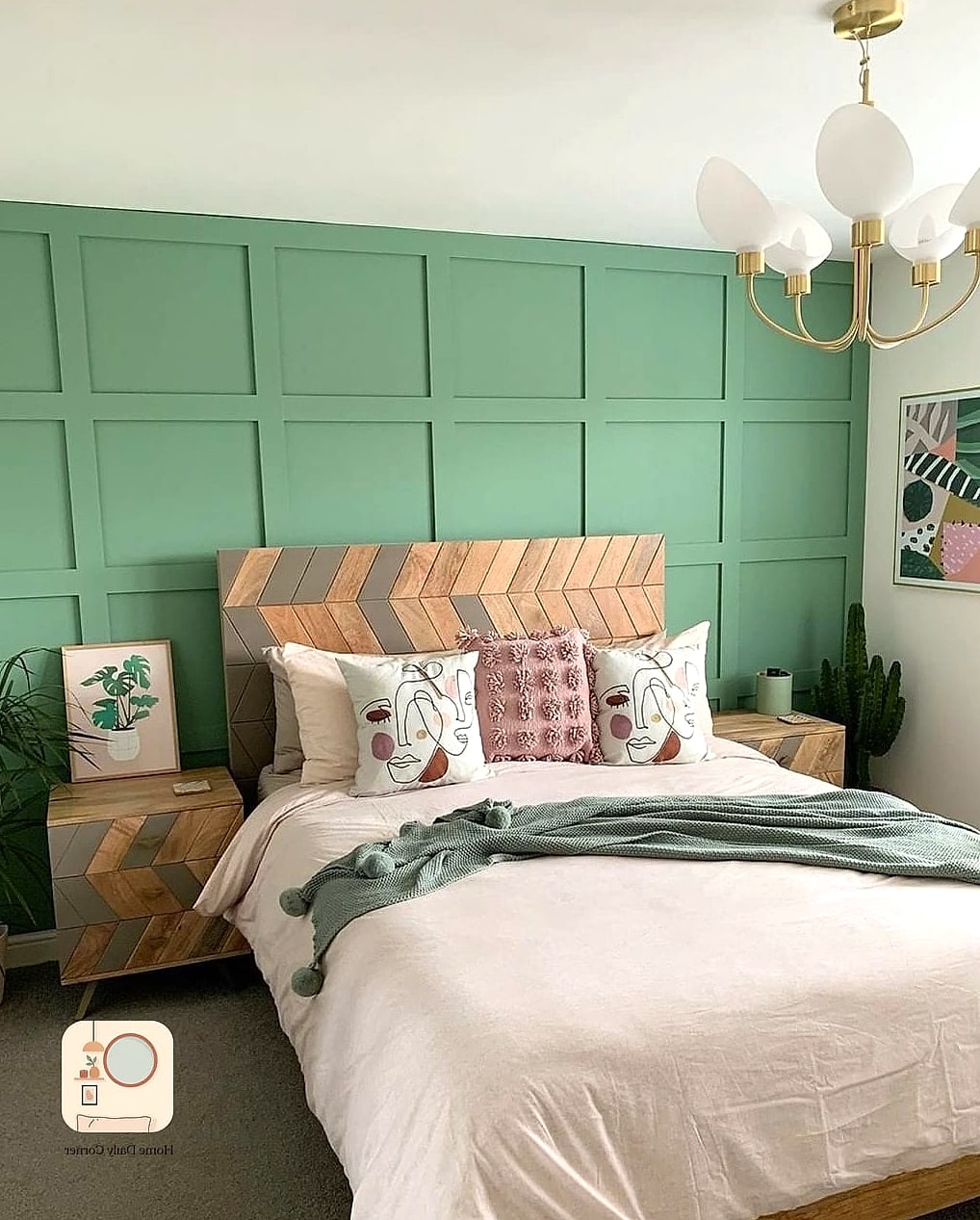
Swapping a Bulky Dresser for Wall-Mounted Storage
Floor-standing dressers are storage hogs. Swapping one out for floating shelves or a slim wall-mounted cabinet can open up a shocking amount of walking room.
The transformation photos on this one are dramatic — suddenly there’s a clear path from door to bed. Floating shelves also double as display space for books or framed photos, so you’re not sacrificing personality for function.
This works best in rooms under 100 square feet where every inch of floor space actually matters.
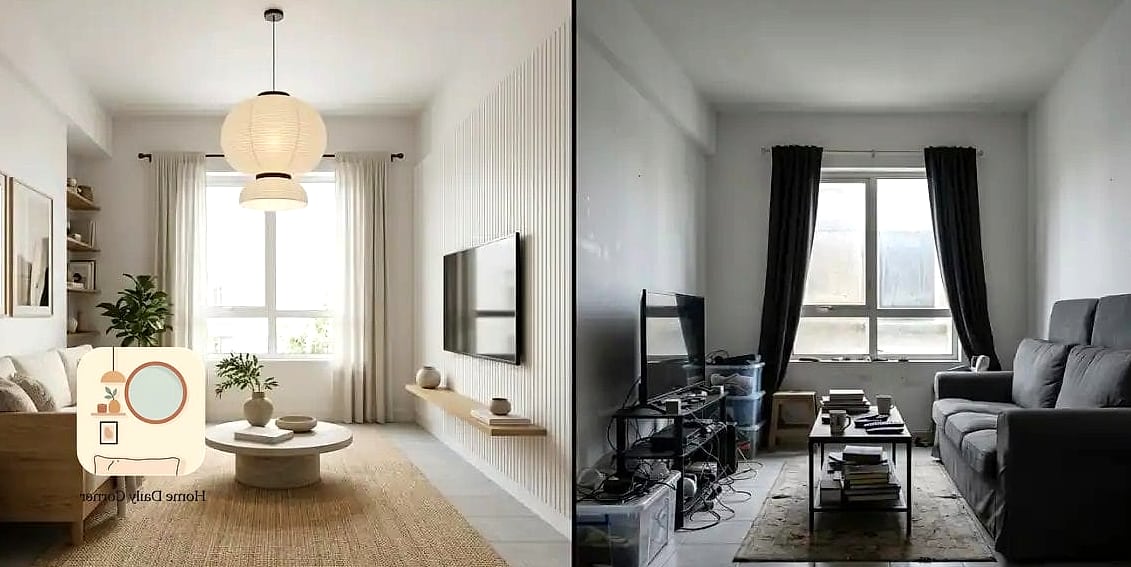
Painting the Ceiling to Trick the Eye
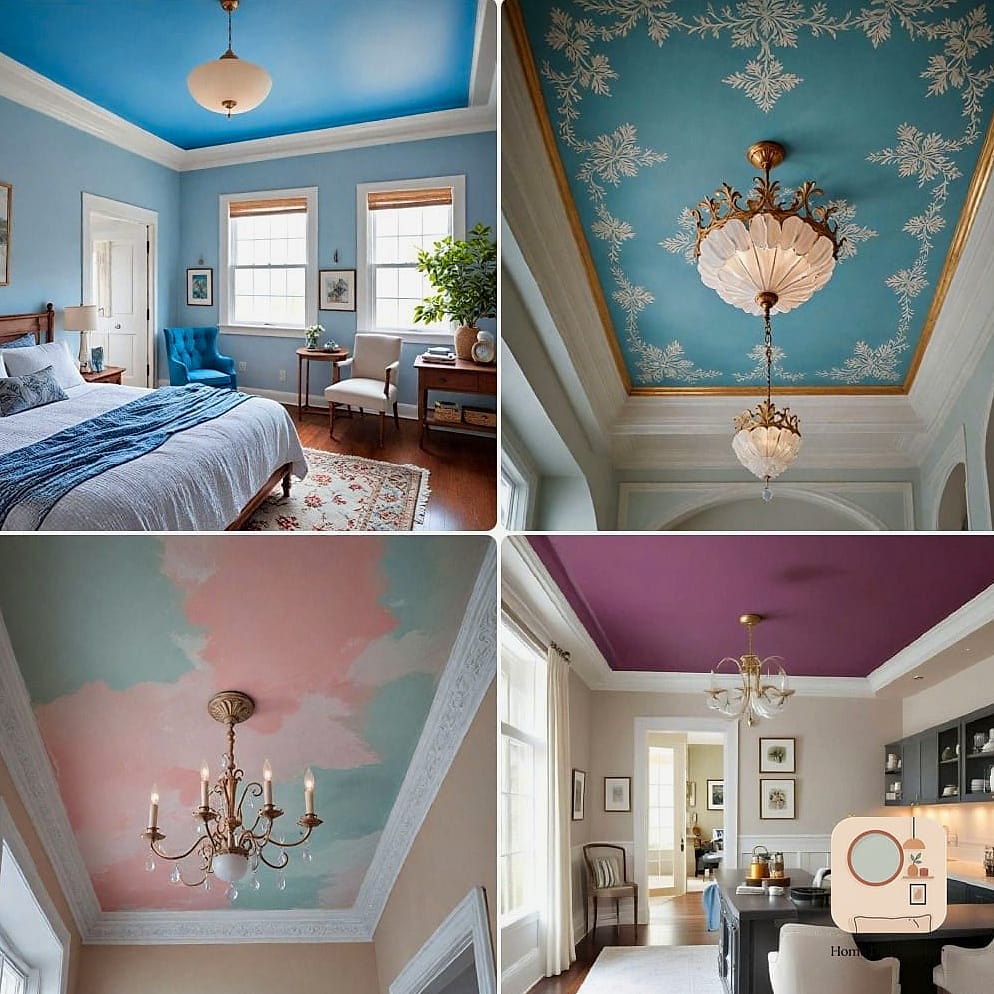
A lot of people skip the ceiling entirely, but painting it a soft color — even just a shade lighter than the walls — makes a small room feel taller and more intentional.
Before photos typically show a stark white ceiling that draws a hard visual line. After photos show a room that feels enveloping rather than boxed in, especially with muted sage, warm terracotta, or soft blue tones.
It’s a weekend project, low cost, and one of those upgrades that instantly makes a bedroom feel more custom without requiring a full renovation.
Replacing Nightstands with Wall-Mounted Shelves
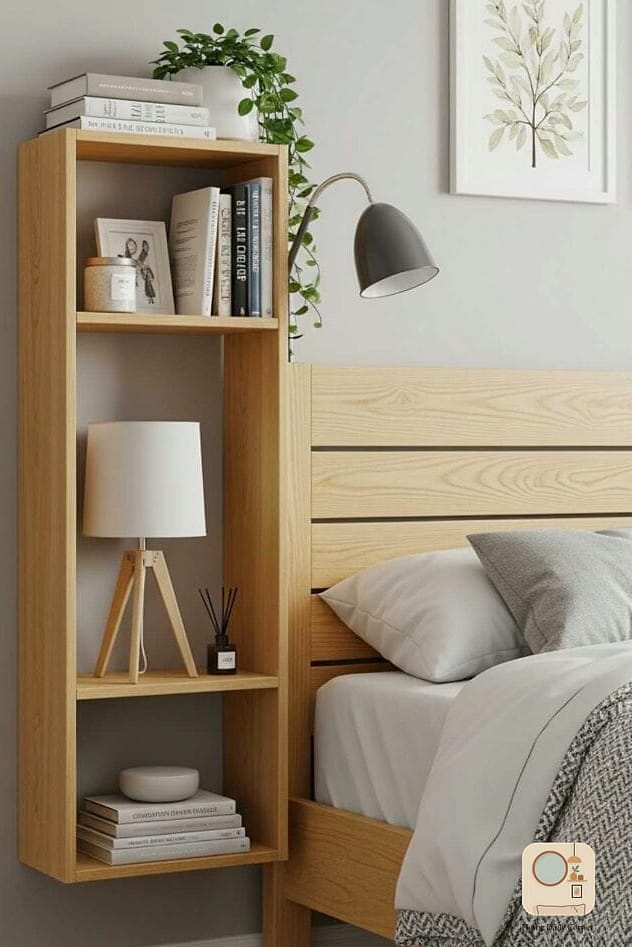
Nightstands are notorious space thieves in small bedrooms. A simple floating shelf on either side of the bed does the same job — holding a lamp, a book, maybe a small plant — without the bulky footprint.
The after shots usually show noticeably more breathing room around the bed, plus a cleaner, more minimalist look overall. Brushed brass or matte black brackets add a nice styling detail if you want something beyond plain wood.
Great for renters since most floating shelves can be installed with minimal wall damage.
Adding a Statement Headboard Instead of More Furniture
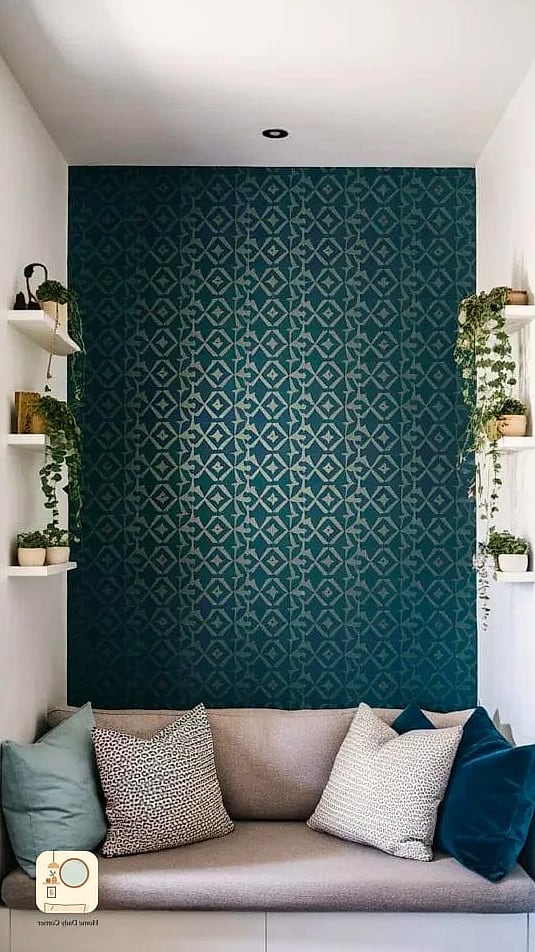
Instead of cramming in extra furniture, some of the best transformations focus on one bold headboard that becomes the entire room’s personality.
Before: a plain mattress against a bare wall. After: a upholstered or wood-slat headboard that instantly makes the space feel finished and designed on purpose, not just furnished out of necessity.
Textured fabric, boucle, or natural wood slats all photograph beautifully and don’t require adding more floor clutter.
Using a Daybed Instead of a Standard Bed Frame
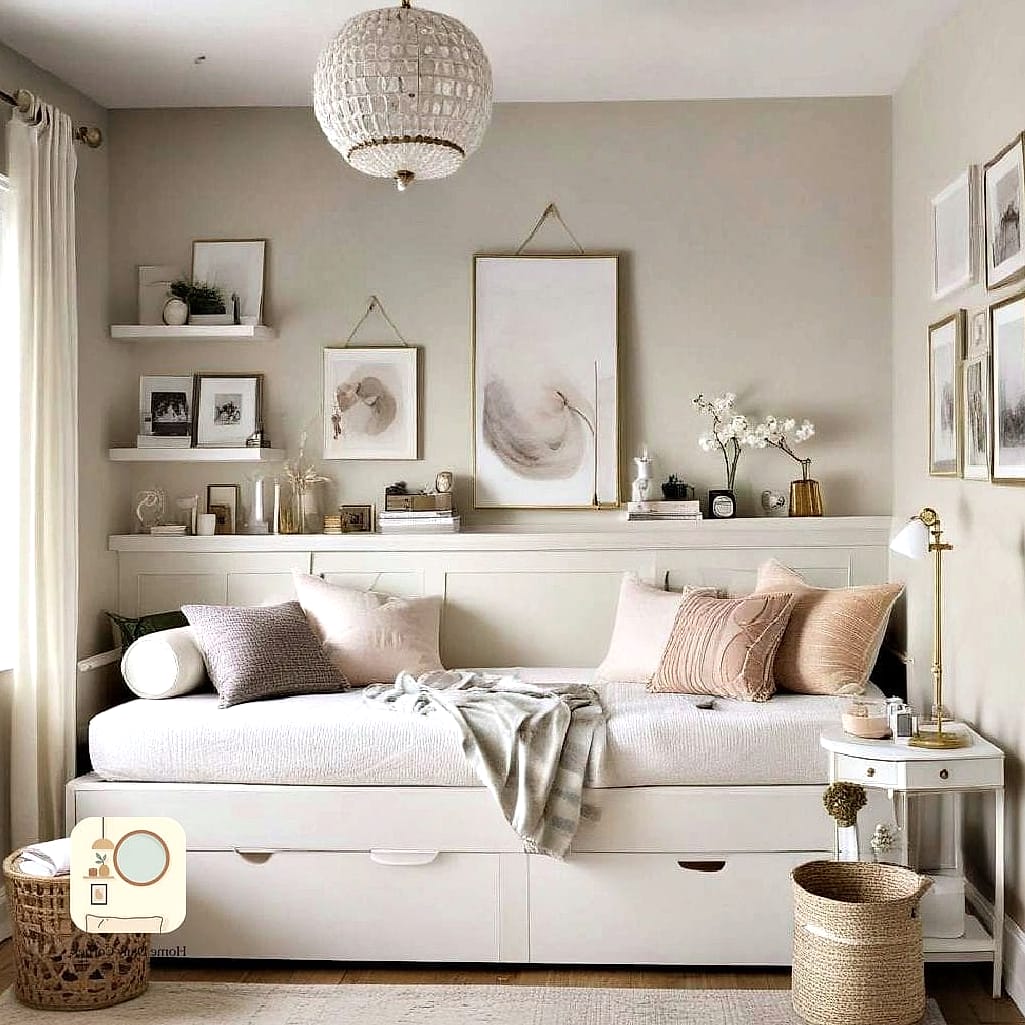
For rooms that need to double as a reading nook or occasional guest space, swapping a standard bed for a daybed changes the whole feel.
The before photo often shows a room that only functions as a bedroom. The after shows a space that works as a lounge area during the day and a bed at night, especially when styled with bolster pillows and a throw blanket.
This is a bigger investment than some ideas here, but it earns its keep in multi-purpose small rooms.
Installing a Curtain Instead of a Closet Door

Swinging closet doors take up more space than people realize, and small bedrooms rarely have room to spare. Replacing the door with a curtain on a tension rod is a classic fix that still looks intentional when styled well.
Before and after shots here are subtle but effective — the room suddenly reads as more open, even though nothing structural changed.
Linen curtains in a neutral tone tend to blend in nicely, while a patterned fabric can turn the closet into a design feature instead of an eyesore.
Layering Lighting Instead of Relying on One Overhead Fixture
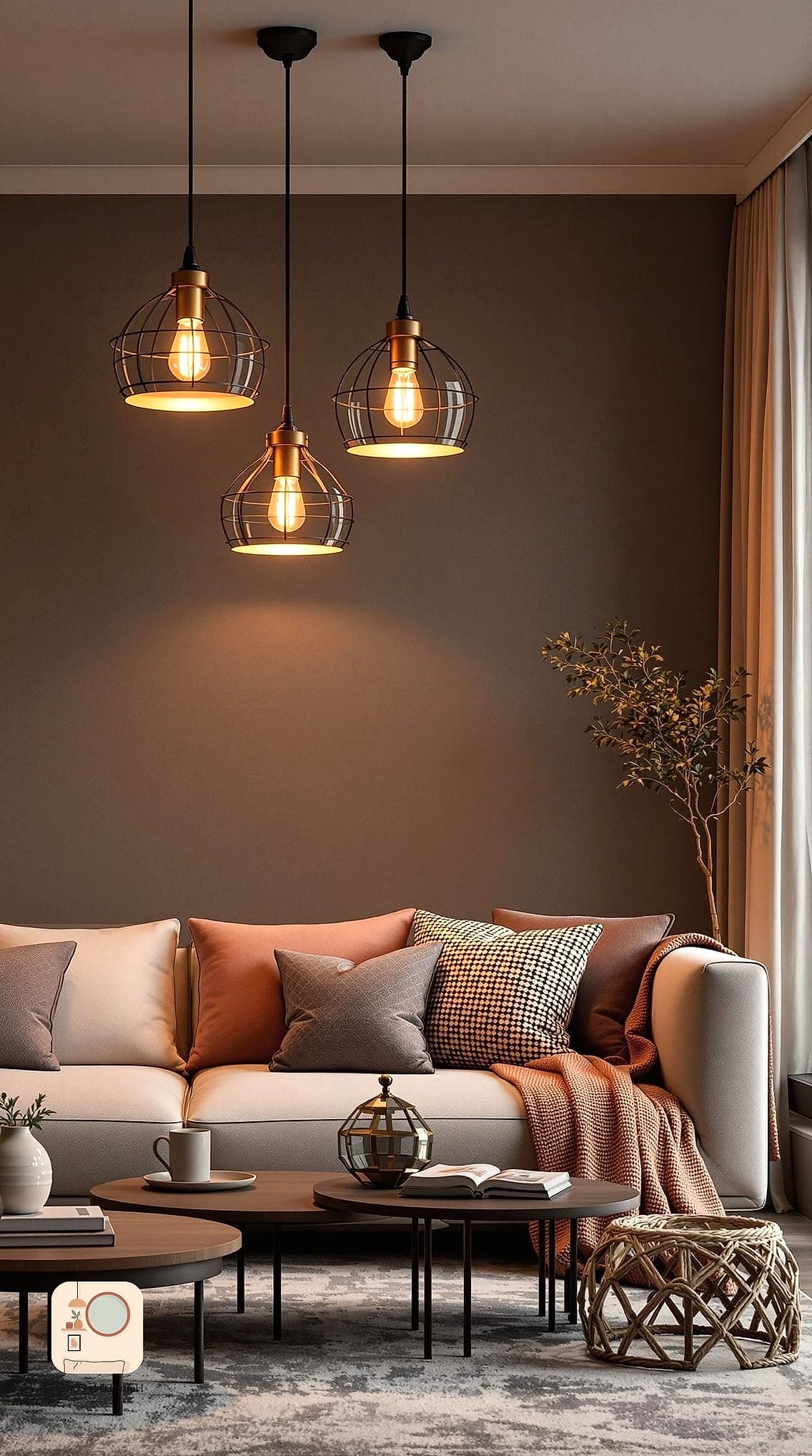
A single harsh overhead light is one of the fastest ways to make a small bedroom feel cold and uninviting. Layering in a floor lamp, a plug-in wall sconce, and maybe some warm-toned string lights changes the entire mood.
The after photos in these transformations always look warmer and cozier, even though the furniture layout barely changed. It’s proof that lighting does more heavy lifting than people give it credit for.
This is one of the most budget-friendly updates on this list, and it’s completely renter-friendly if you stick to plug-in options.
Going Vertical with a Loft or Elevated Bed Frame
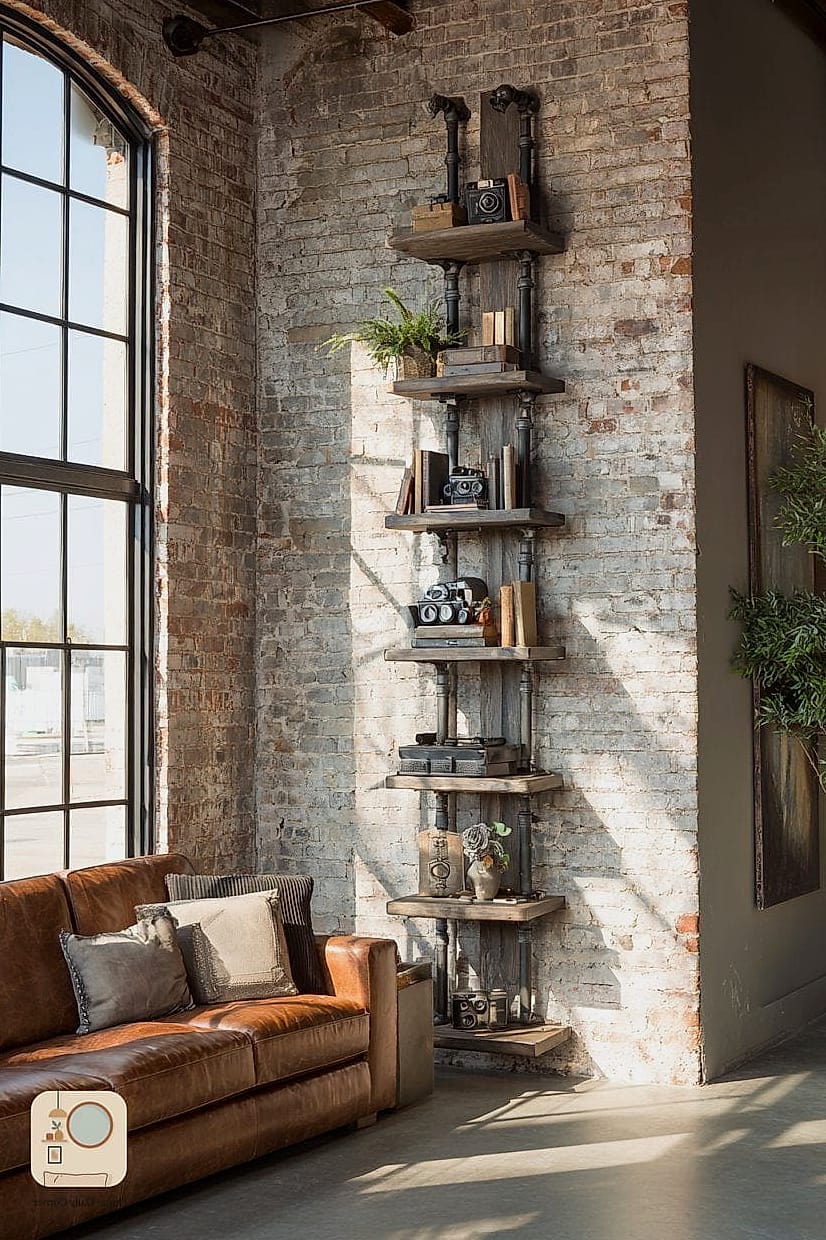
For bedrooms doing double duty as a home office or workout space, raising the bed frame and tucking a desk or storage bins underneath transforms the whole footprint.
Before: a single-use room with no floor space. After: a functional little studio setup that makes the room feel twice as large.
This one requires more upfront investment and isn’t ideal for every ceiling height, but for the right room, it’s genuinely one of the most dramatic transformations out there.
Using a Round Rug to Soften Sharp Corners
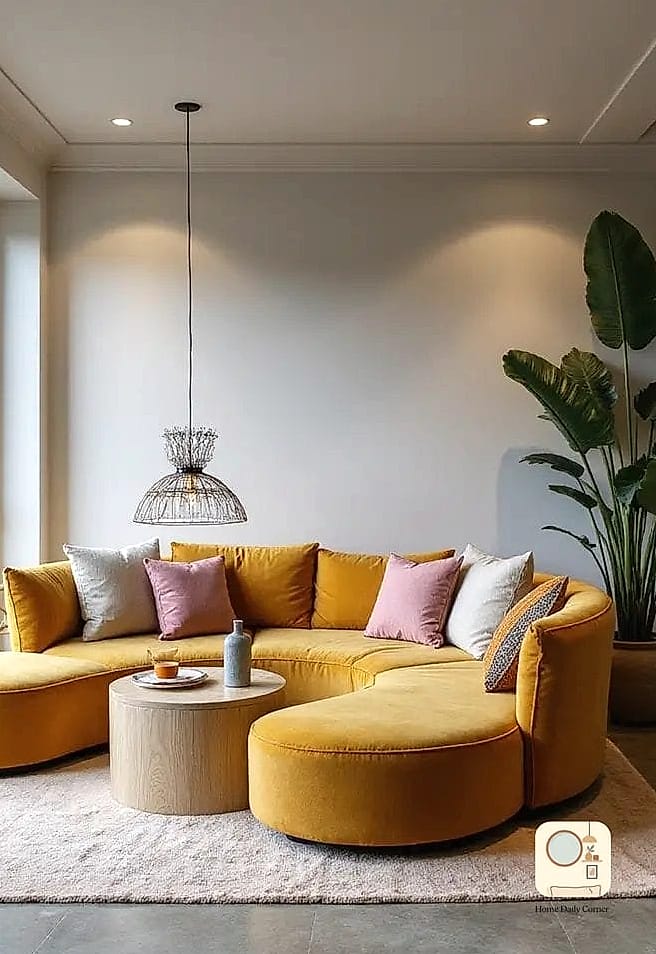
Small rectangular rooms can feel boxy and rigid. Dropping in a round rug breaks up all those straight lines and adds visual softness without eating into usable space the way a large rectangular rug would.
The transformation isn’t as dramatic as some others on this list, but it’s a subtle detail that photographs surprisingly well and makes the whole room feel more curated.
Jute or wool rugs in neutral tones tend to hold up best in daily-use bedrooms.
Mirror Placement to Expand the Visual Space
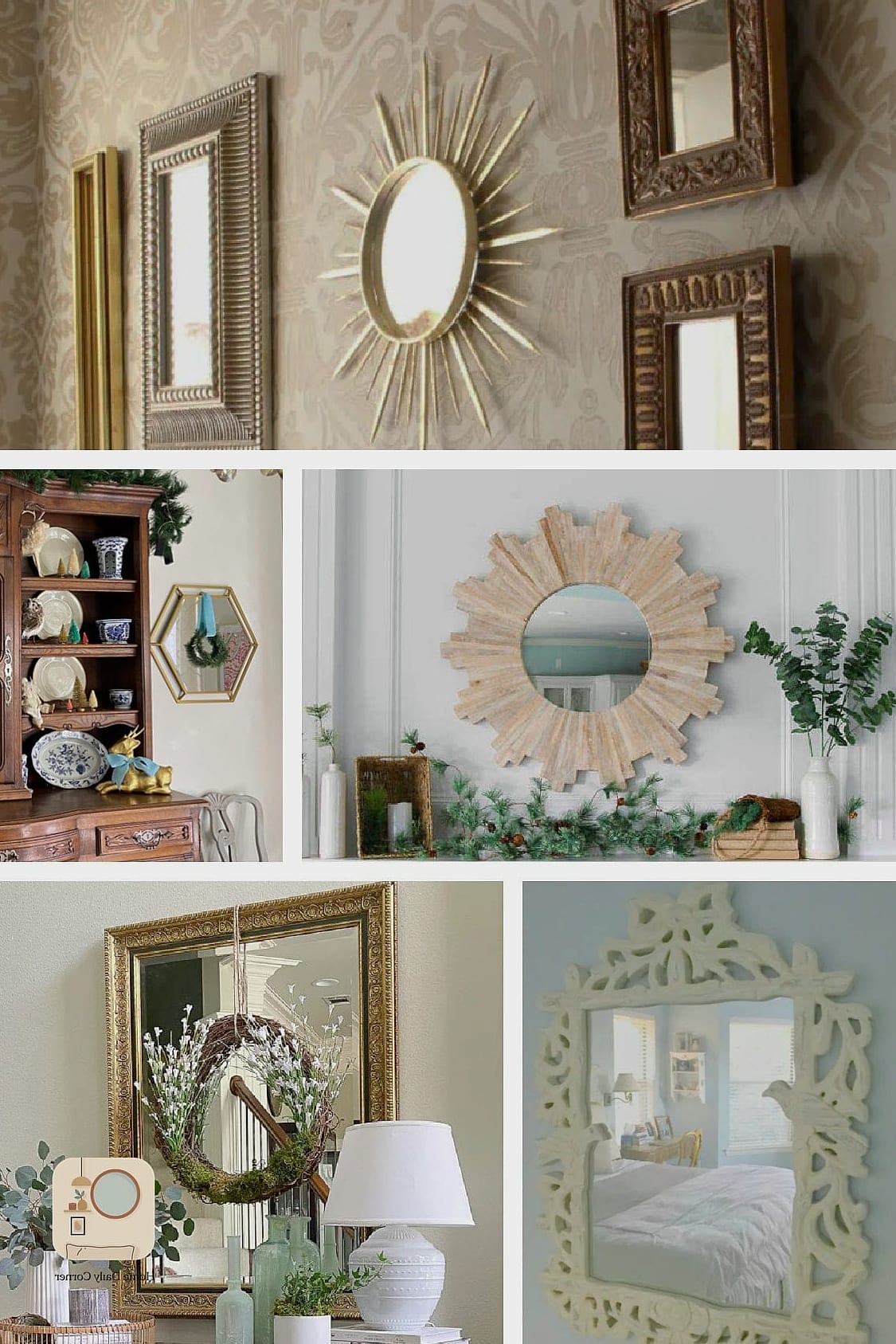
This is one of the oldest tricks in the book for a reason. A large mirror placed opposite a window bounces natural light around the room and makes the whole space feel considerably bigger.
Before photos usually show a dim, closed-off feeling room. After photos show noticeably brighter, more open spaces, even though the actual dimensions haven’t changed at all.
Leaning a floor mirror against the wall is the renter-friendly version; mounting one is the more permanent option for homeowners.
Built-In Window Seat with Hidden Storage
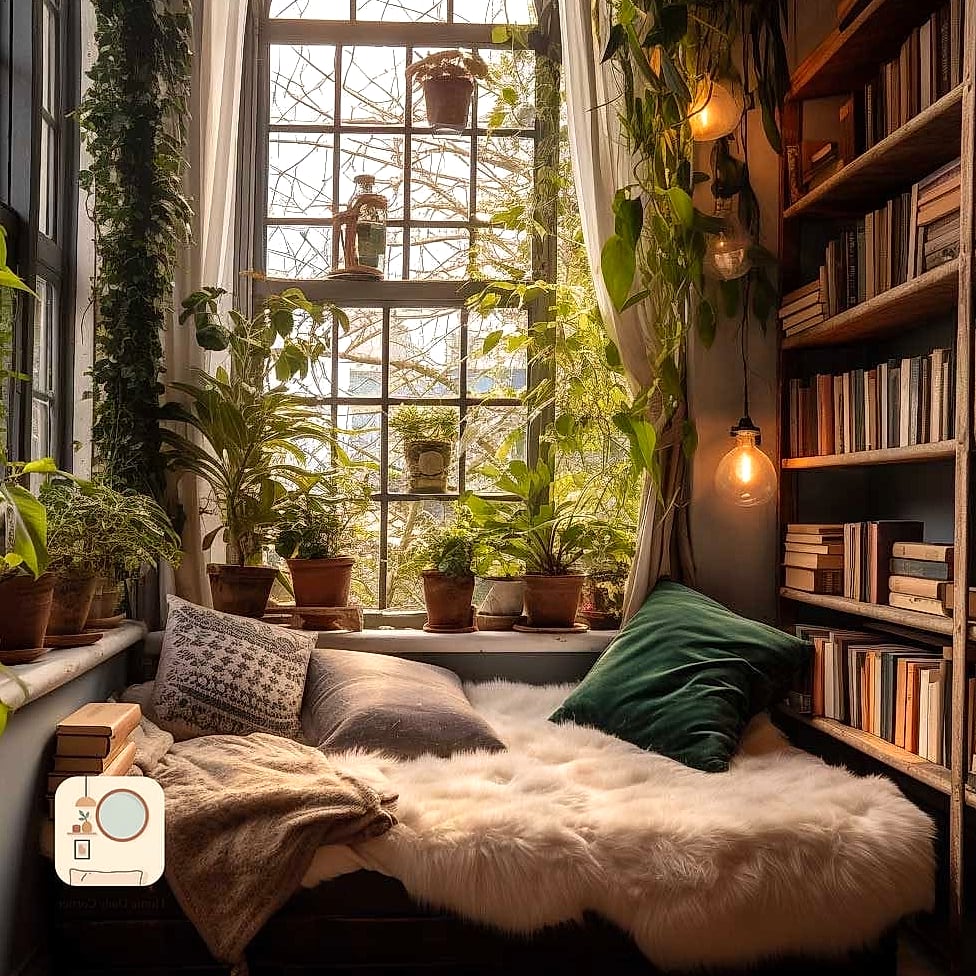
For bedrooms with an awkward nook or bay window, building a simple bench with storage underneath solves two problems at once — wasted space and lack of storage.
The after shots on these transformations are always satisfying because the “dead space” that used to just sit there empty now serves a real purpose, holding out-of-season clothes or extra bedding.
This is more of a weekend carpentry project than a quick fix, but it adds serious functionality to small room decor bedroom layouts that otherwise struggle with storage.
Swapping Heavy Curtains for Light, Airy Fabric
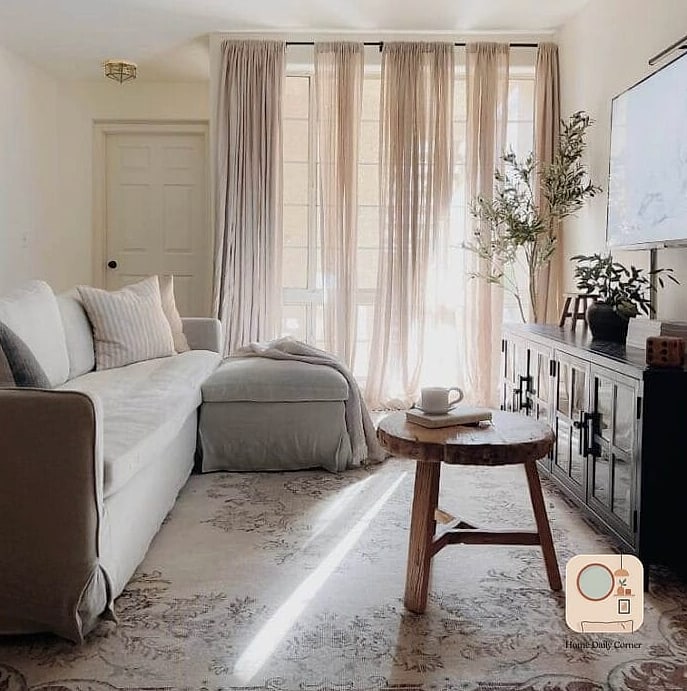
Thick blackout curtains have their place, but in a small bedroom they can visually shrink the walls and block natural light from doing its job.
Before: a room that feels dark and closed in, even during the day. After: sheer or linen curtains that let light filter through, making the whole space feel more open and less claustrophobic.
If you need blackout for sleep, a two-layer setup with sheers up front and blackout panels behind gives you both without sacrificing daytime brightness.
Creating a Gallery Wall Instead of Bulky Wall Art
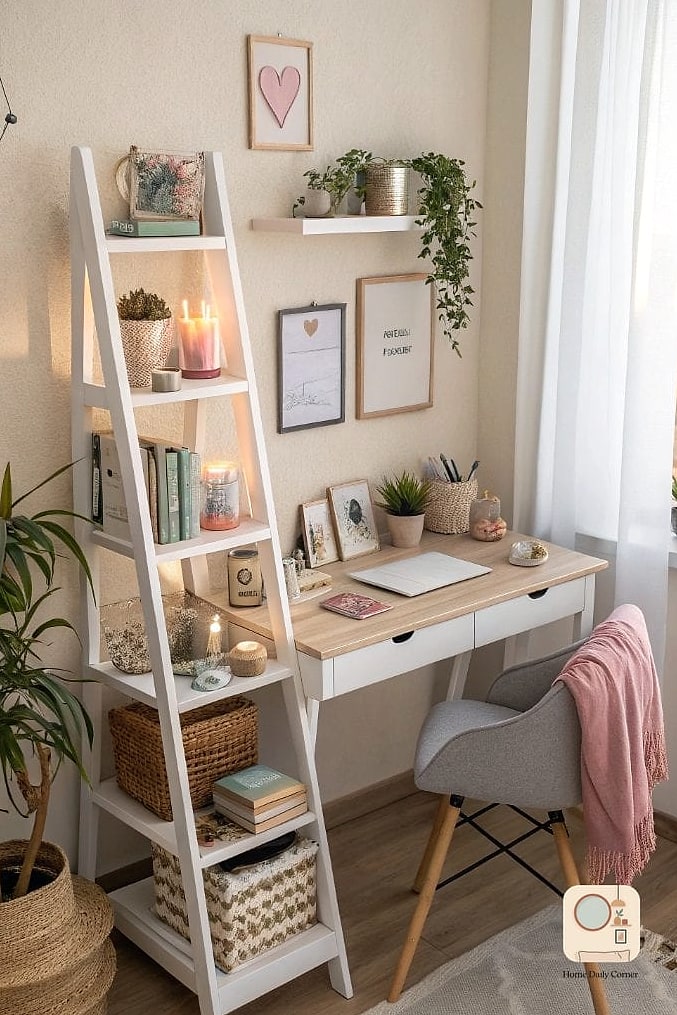
A single oversized piece of art can overwhelm a small wall, but a curated gallery wall of smaller frames adds personality without visually crowding the room.
These transformations tend to focus on mixing frame sizes and finishes — some black, some wood, maybe a mirror thrown in — arranged with intention rather than crammed together.
It’s an affordable way to add character, and it works in rentals since you can use adhesive hooks instead of nails.
Under-Bed Storage Bins to Reclaim Closet Space
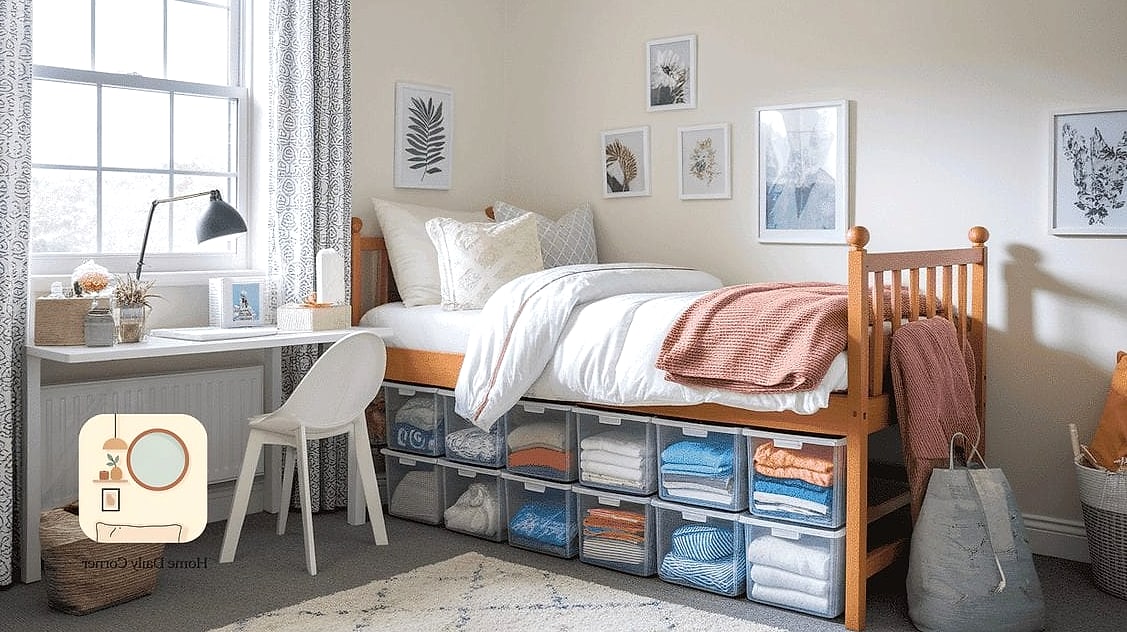
This transformation is less about looks and more about function, though it still photographs well. Swapping wasted under-bed space for labeled bins or a storage-drawer bed frame frees up closet room for actual clothes.
Before: a cluttered closet with no organization system. After: a streamlined closet and a bed that’s quietly doing double duty as storage.
Clear bins with lids work well for keeping dust out, and they’re an easy, low-cost addition to almost any bedroom setup.
Painting an Accent Wall to Add Depth
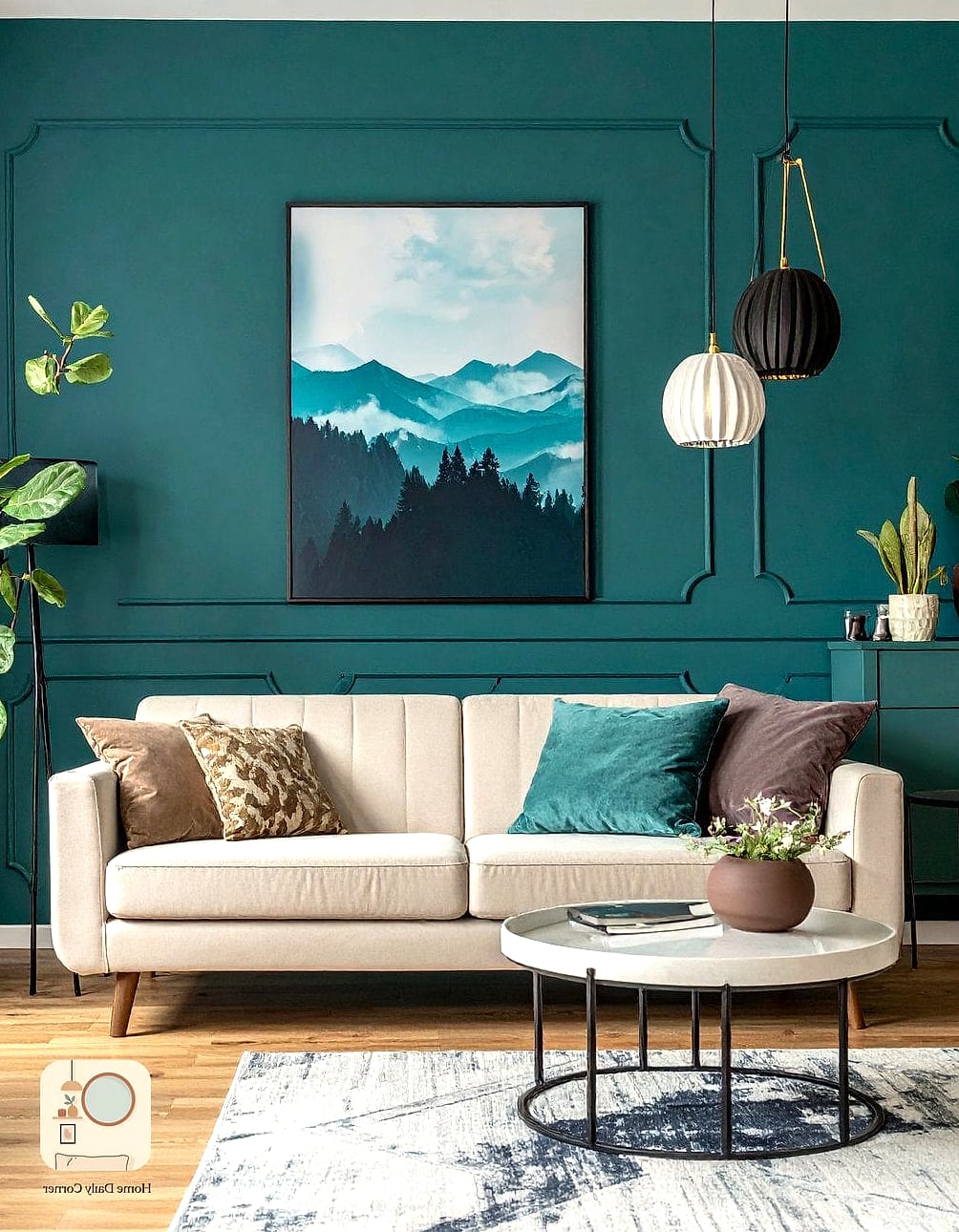
A single accent wall, especially behind the headboard, gives a small room a sense of depth and intention it didn’t have with four matching white walls.
The before and after here is one of the more visually striking ones on this list. A flat, undefined room suddenly has a focal point and a clear sense of design direction.
Deep, moody colors like navy or forest green work surprisingly well in small spaces when paired with lighter bedding and warm wood tones.
Replacing a Full-Size Dresser with a Bar Cart or Slim Cabinet Repurpose
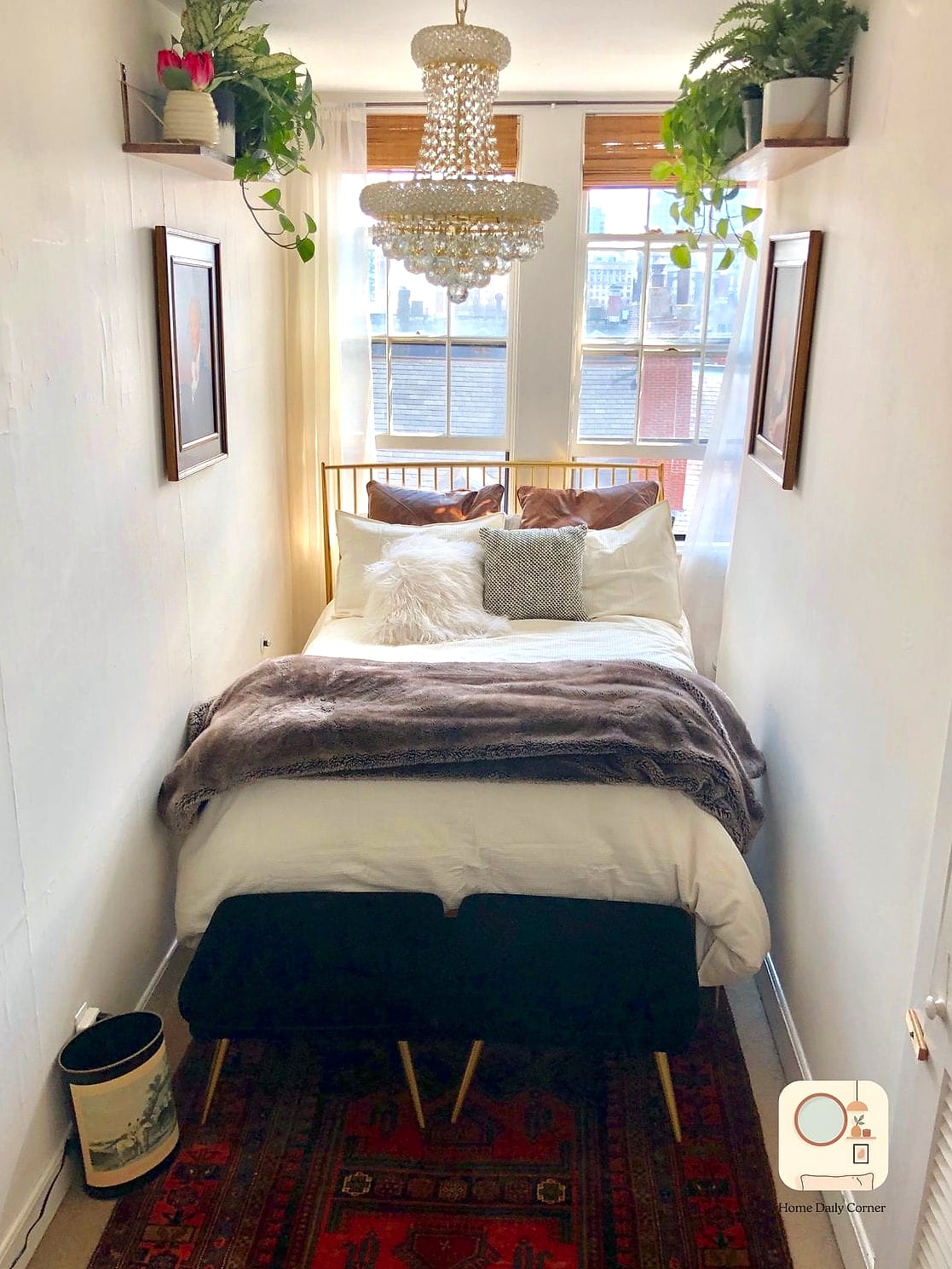
This is a slightly unconventional one, but it’s popped up in enough real transformations to be worth mentioning. A slim bar cart or narrow cabinet, repurposed as a nightstand-dresser hybrid, takes up a fraction of the space a traditional dresser does.
The after photos usually show a much more open floor plan, with the narrow furniture piece tucked neatly into a corner instead of dominating a whole wall.
It’s a creative, budget-conscious swap that works particularly well for anyone furnishing on a tight budget or shopping secondhand.
Adding Greenery to Soften a Sparse Room
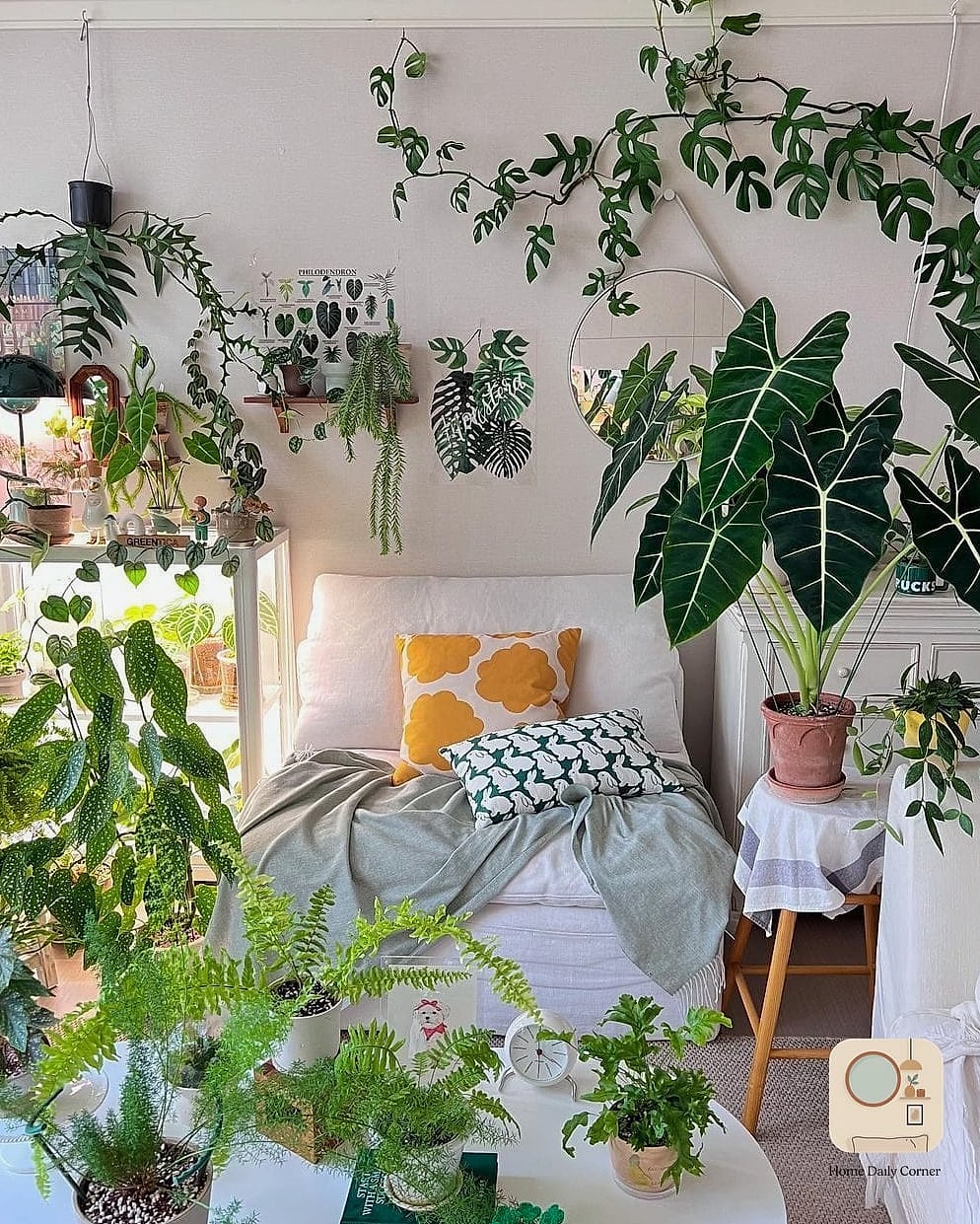
Plants are an easy, inexpensive way to finish off a small bedroom without adding visual bulk. A trailing plant on a shelf or a small potted plant on the windowsill goes a long way.
Before photos in these transformations often look a little sterile or unfinished. After photos feel warmer and more lived-in, purely from the addition of some greenery.
Low-maintenance options like pothos or snake plants are ideal for bedrooms with less natural light, and they’re forgiving if you’re not exactly known for your green thumb.
Looking through all these small room decor bedroom before and after transformations, the common thread is pretty clear — it’s rarely about adding more stuff. It’s about being intentional with what stays, what goes, and how the space actually gets used day to day. Pick two or three ideas that fit your room’s specific quirks, and you’ll probably be surprised how much difference a weekend of effort can make.