22 Room Decor Ideas Bedroom Ideas to Steal From Interior Designers
- Layer Your Lighting Instead of Relying on One Overhead Fixture
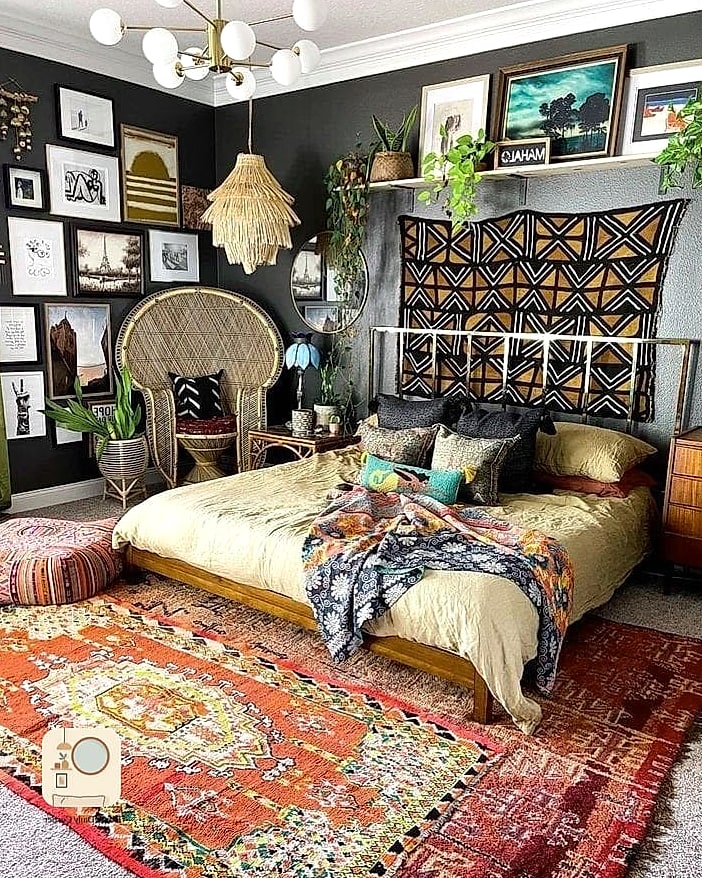
- Add a Textured Headboard as Your Focal Point
- Bring in Warm Wood Tones for Grounding
- Create a Reading Nook in an Unused Corner
- Install Floating Nightstands for a Modern, Airy Look
- Use a Neutral Color Palette With One Bold Accent
- Swap Out Hardware for an Instant Refresh
- Add a Statement Rug Under the Bed
- Hang Curtains Higher and Wider Than the Window
- Incorporate Open Shelving for Displaying Books and Objects
- Choose a Canopy or Four-Poster Bed for Drama
- Add Greenery for a Softer, More Lived-In Feel
- Use a Gallery Wall to Personalize the Space
- Add a Bench or Ottoman at the Foot of the Bed
- Layer Bedding for a Hotel-Style Look
- Paint the Ceiling for an Unexpected Twist
- Use Baskets and Bins for Hidden Storage
- Add a Vanity or Small Desk for a Multi-Use Space
- Choose Matte Finishes Over Glossy for a Calmer Feel
- Incorporate a Window Seat or Daybed if Space Allows
- Add Wall Sconces to Free Up Nightstand Space
- Bring in Seasonal Decor to Keep the Room Feeling Fresh
22 Room Decor Ideas Bedroom Ideas to Steal From Interior Designers
Your bedroom should feel like the best room in the house, not the one you never got around to finishing. Most of us spend a third of our lives in there, yet it’s usually the last space to get any design attention. I’ve pulled together 22 ideas that designers actually use, from small styling tweaks to bigger layout shifts. Pick a few that fit your space and budget, and go from there.
Layer Your Lighting Instead of Relying on One Overhead Fixture
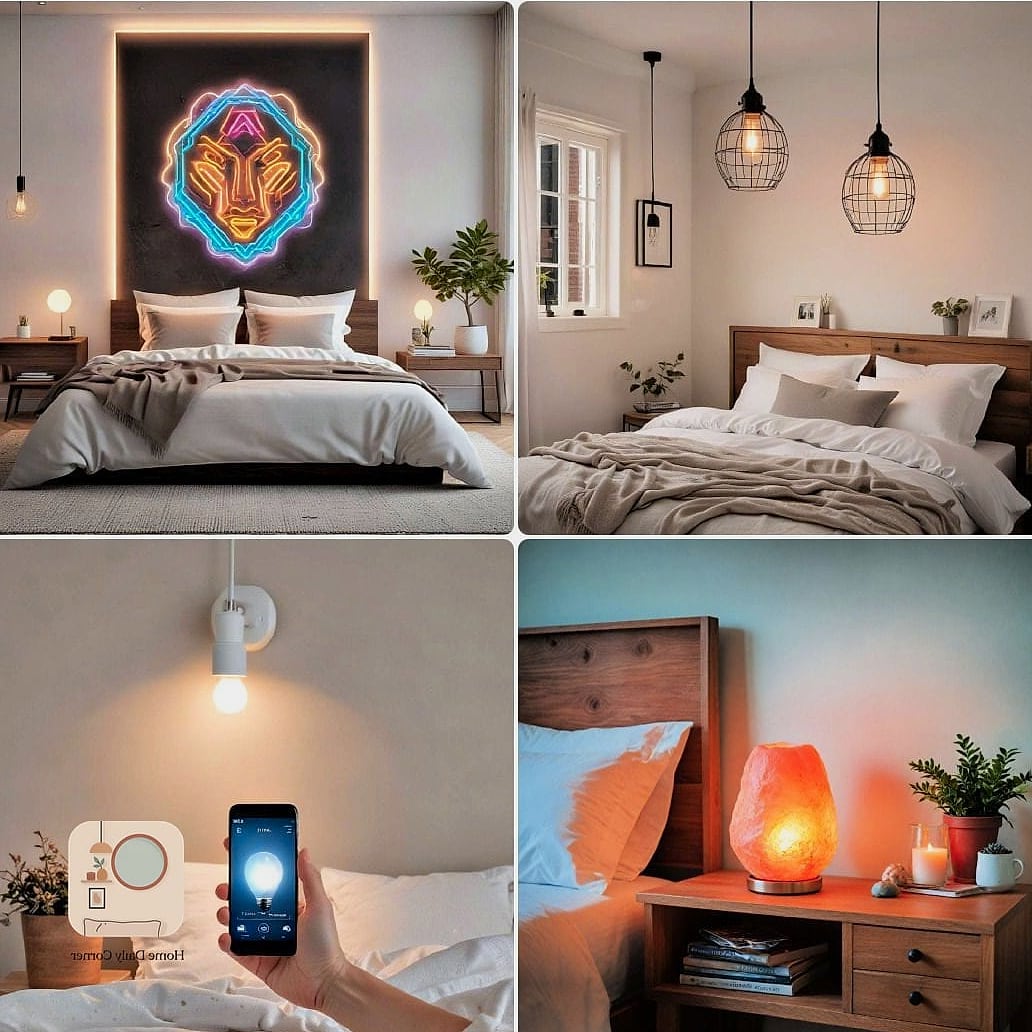
A single ceiling light makes any bedroom feel like a hotel conference room. Designers layer at least three light sources: a statement fixture, bedside lamps, and something softer like a floor lamp or LED strip behind the headboard. This gives you control over the mood depending on the time of day.
Warm bulbs (2700K-3000K) read cozier than cool white ones, which tend to feel clinical in a room meant for rest. Dimmer switches are a cheap upgrade that make a huge difference here. If you’re renting, plug-in lamps and battery-operated wall sconces get you most of the way there without any wiring.
Add a Textured Headboard as Your Focal Point
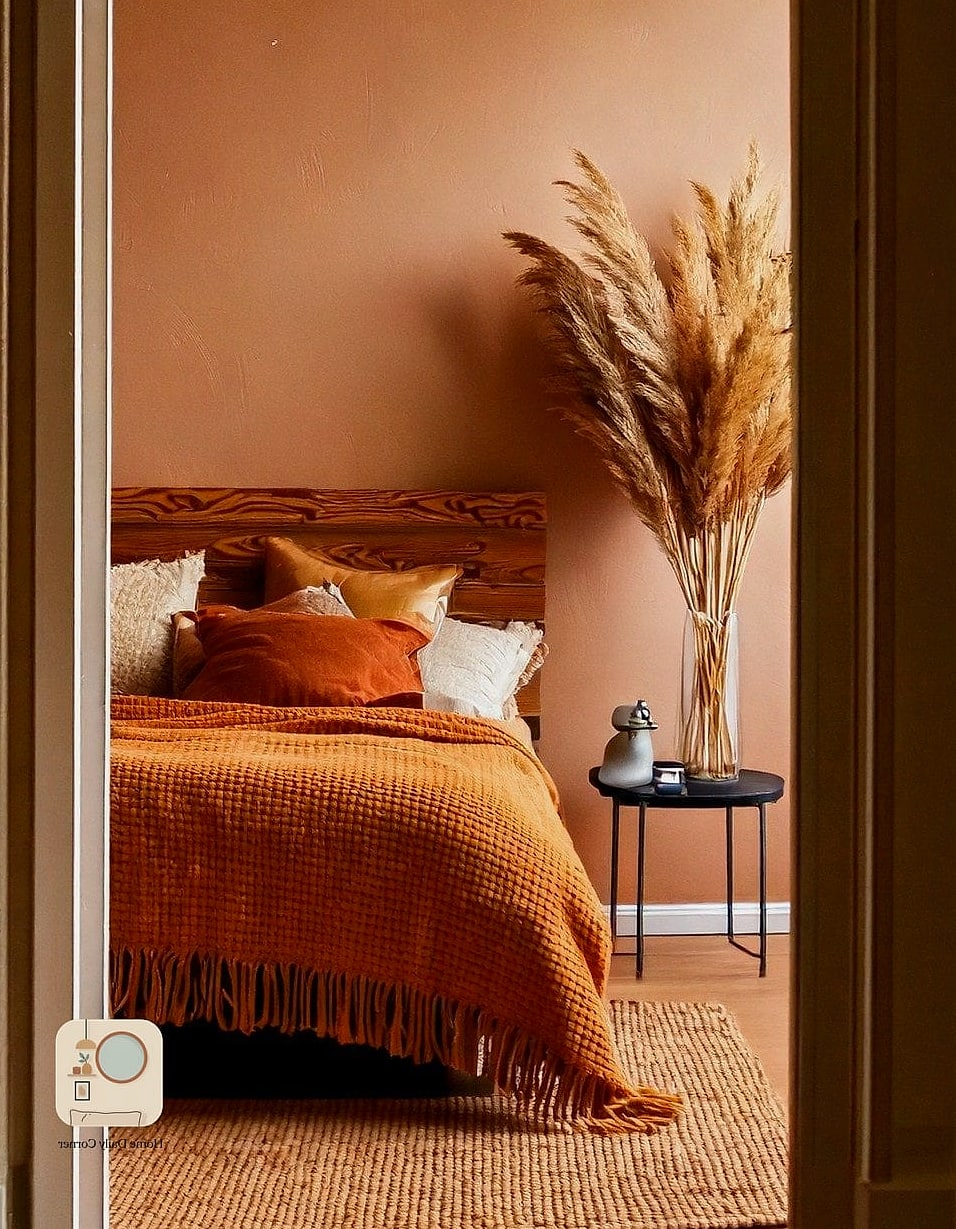
An upholstered or wood-slat headboard instantly makes a bed look intentional instead of just plopped against a wall. Boucle, velvet, and linen are popular right now because they add softness without feeling fussy. Channel-tufted styles lean more traditional, while a simple wood slat headboard fits nicely into a Japandi or mid-century look.
Budget-friendly option: peel-and-stick headboard decals or a DIY plywood frame wrapped in fabric can mimic the custom look for a fraction of the price. If you’re short on wall space, even a bold piece of art hung low behind the pillows does a similar job.
Bring in Warm Wood Tones for Grounding
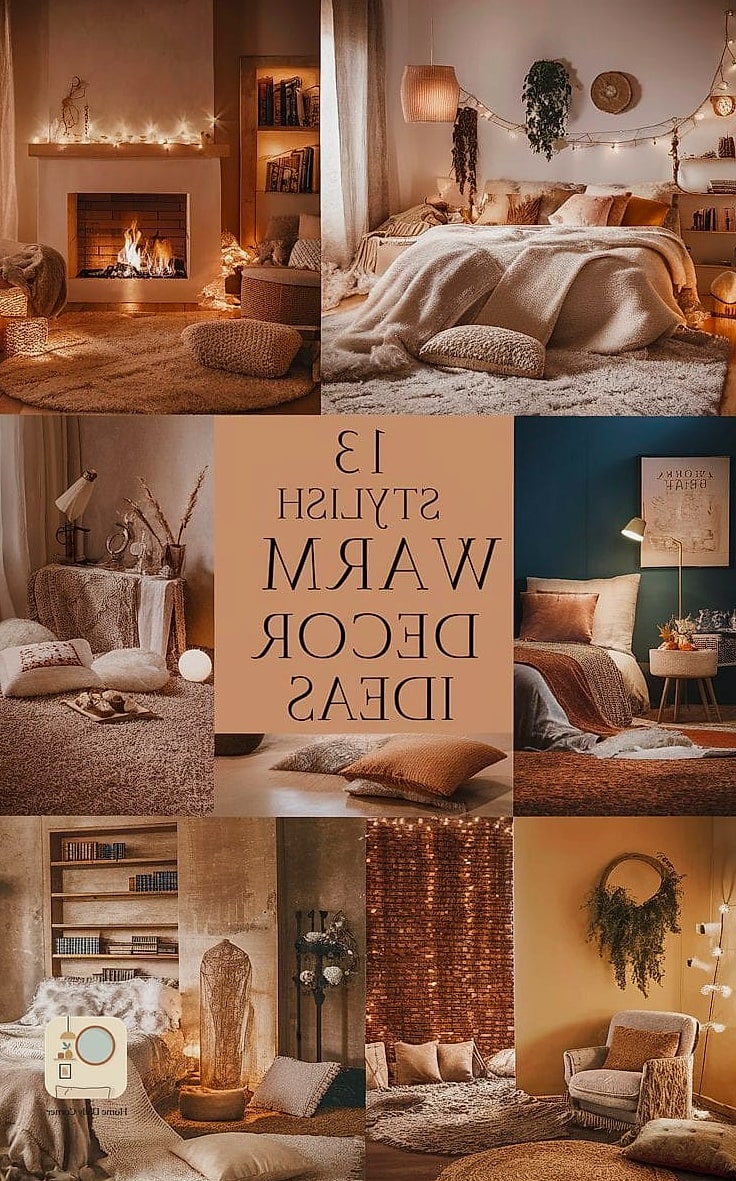
White and gray bedrooms had a long moment, but designers are now leaning into warm wood tones to keep spaces from feeling sterile. Think oak nightstands, a walnut dresser, or a rattan bench at the foot of the bed. Wood breaks up cold color palettes and adds a lived-in warmth that’s hard to fake.
Mixing wood tones is fine as long as they share similar undertones. A honey oak bed frame next to a slightly darker walnut side table still reads as cohesive. This works especially well in small bedrooms where too much white can feel flat under artificial light.
Create a Reading Nook in an Unused Corner
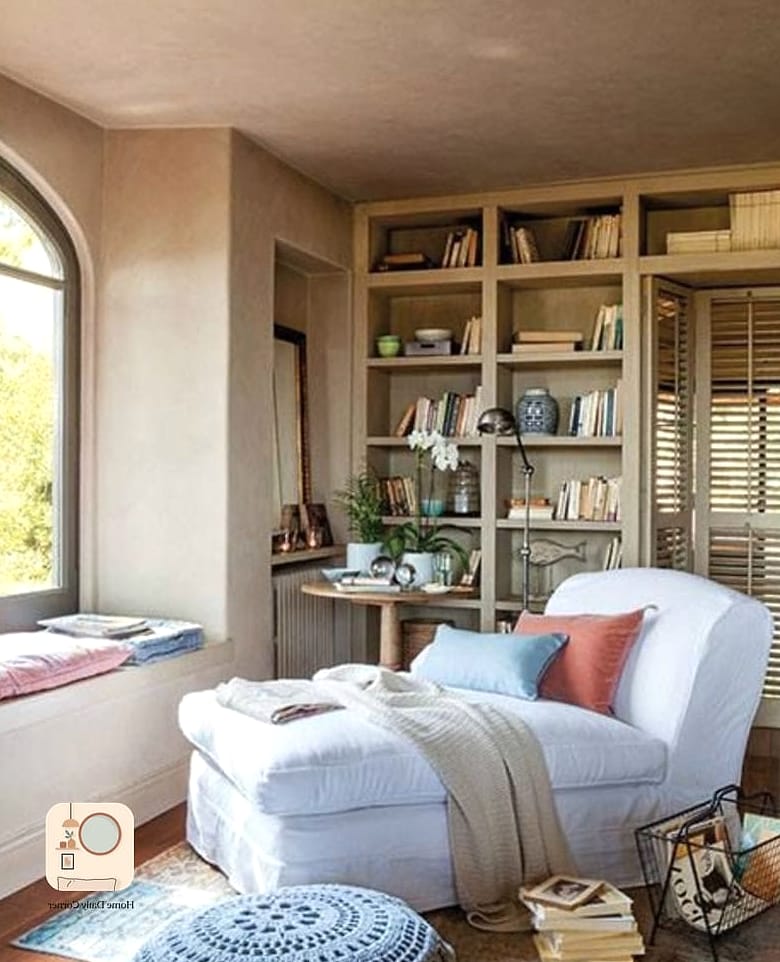
If your bedroom has a corner that’s currently catching laundry, turn it into a reading nook instead. A slipper chair, small side table, and a floor lamp are really all you need. Add a soft throw and a low bookshelf for magazines or your current stack of unread novels.
This idea works in bedrooms of almost any size, though it shines in larger rooms with awkward layouts. Renters can keep it simple with a papasan chair or a floor cushion setup that requires zero commitment to the space.
Install Floating Nightstands for a Modern, Airy Look
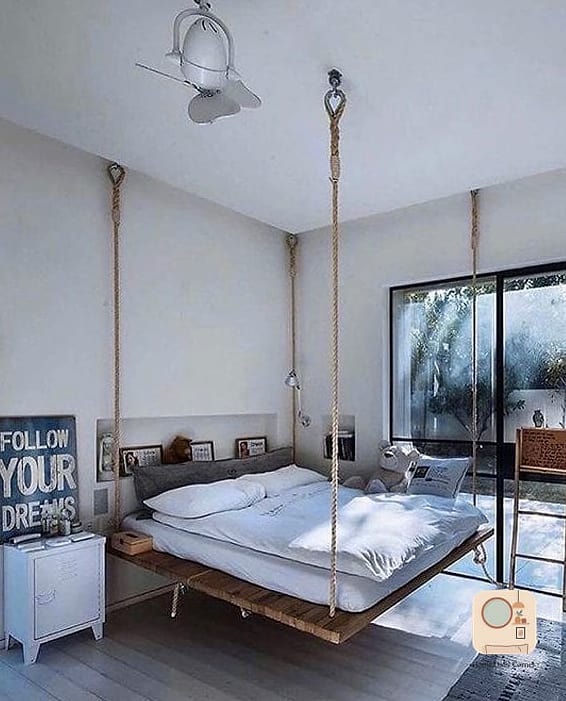
Floating nightstands free up visual space and make small bedrooms feel less cluttered on the floor. They’re especially useful in rooms where every inch of square footage counts, since you can vacuum or mop underneath without moving furniture.
Look for options with a drawer for basics like chargers and lip balm, plus an open shelf for a stack of books. Installation is moderately DIY-friendly, though you’ll want to hit a wall stud or use heavy-duty anchors since these hold real weight.
Use a Neutral Color Palette With One Bold Accent
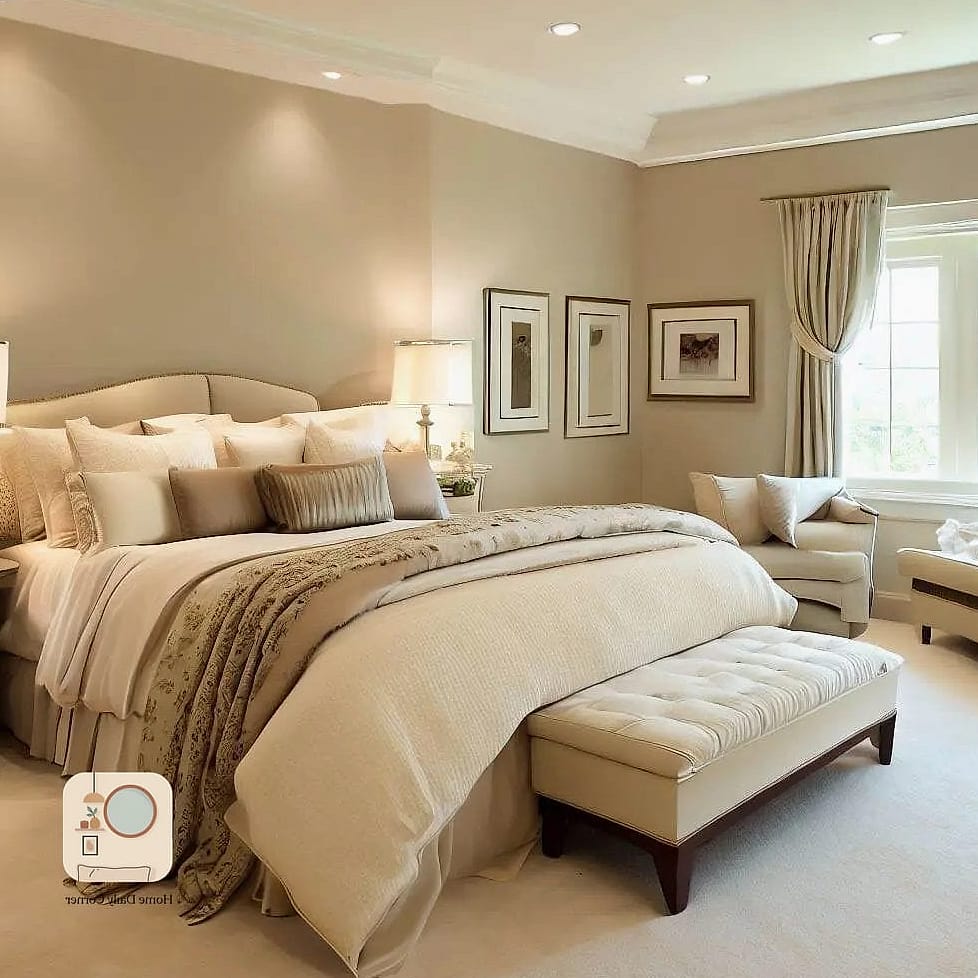
A lot of designer bedrooms lean on a neutral base, think greige, oatmeal, or soft taupe, then add one punch of color through pillows, a throw blanket, or a piece of art. This keeps the room feeling calm without going full beige-on-beige.
Deep green, terracotta, and dusty blue are popular accent choices this year because they’re saturated enough to matter but still easy to live with long term. The beauty of this approach is you can swap the accent color seasonally without repainting anything.
Swap Out Hardware for an Instant Refresh
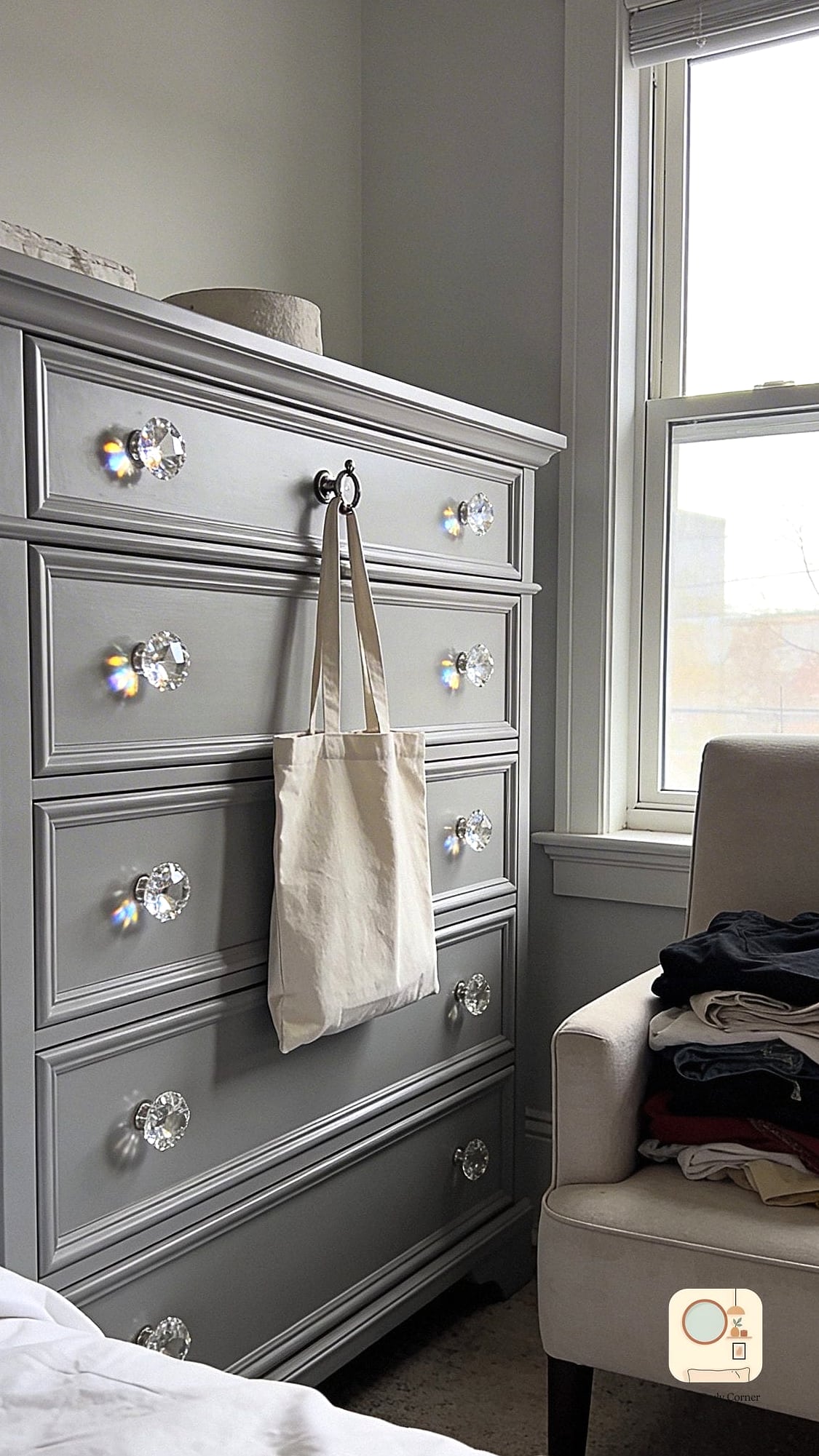
New drawer pulls and knobs on your dresser or nightstands are one of the cheapest updates that reads as high-impact. Brushed brass and matte black are the two finishes designers keep coming back to, though unlacquered brass has been gaining ground for its warmer, less shiny look.
This is a genuinely beginner-friendly DIY project, usually just a screwdriver and twenty minutes. Just measure your existing hole spacing before ordering new hardware so you’re not left drilling extra holes.
Add a Statement Rug Under the Bed
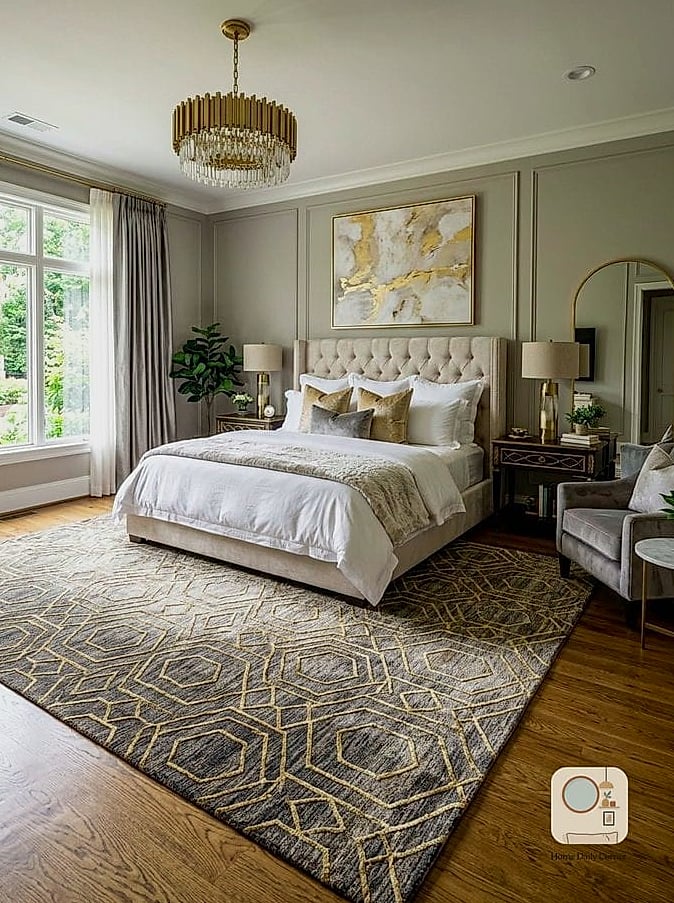
A rug grounds the furniture and adds warmth underfoot, especially over hardwood or laminate flooring. The general rule is to size it so at least two-thirds of the bed sits on top, with enough rug showing on the sides to frame the space.
Wool rugs are durable and naturally stain-resistant, making them a solid pick for bedrooms. If you have pets or kids who treat your floor like a trampoline, a low-pile or performance-fiber rug will hold up better than something delicate like silk or high-pile shag.
Hang Curtains Higher and Wider Than the Window
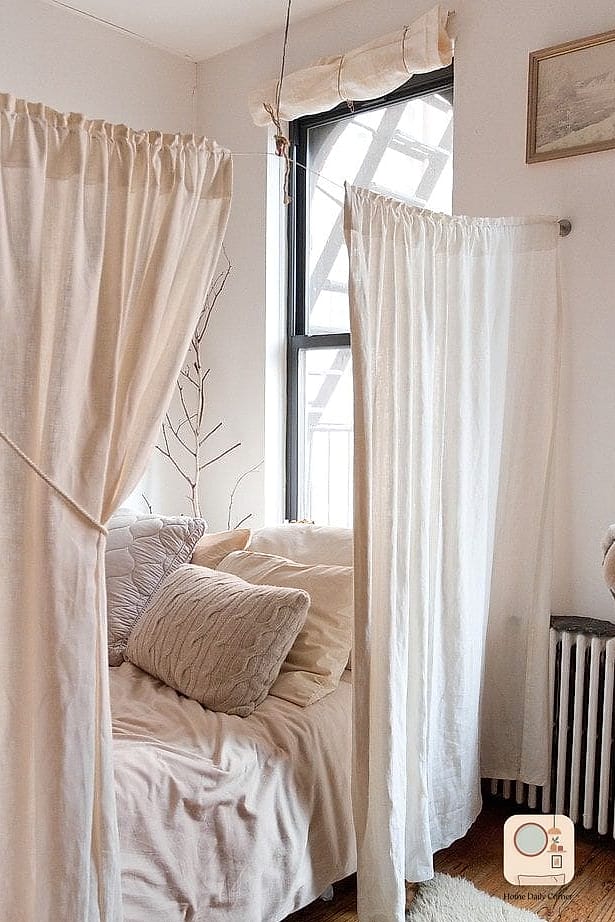
This is a classic designer trick that costs nothing extra but changes the whole feel of a room. Mounting the curtain rod closer to the ceiling and extending it a few inches past the window frame makes the ceilings look taller and the window look bigger than it actually is.
Pair this with floor-length curtains, not the awkward ones that stop a few inches short. Linen curtains give a relaxed, textured look, while blackout curtains are worth the investment if you’re a light sleeper or live somewhere with early sunrises.
Incorporate Open Shelving for Displaying Books and Objects
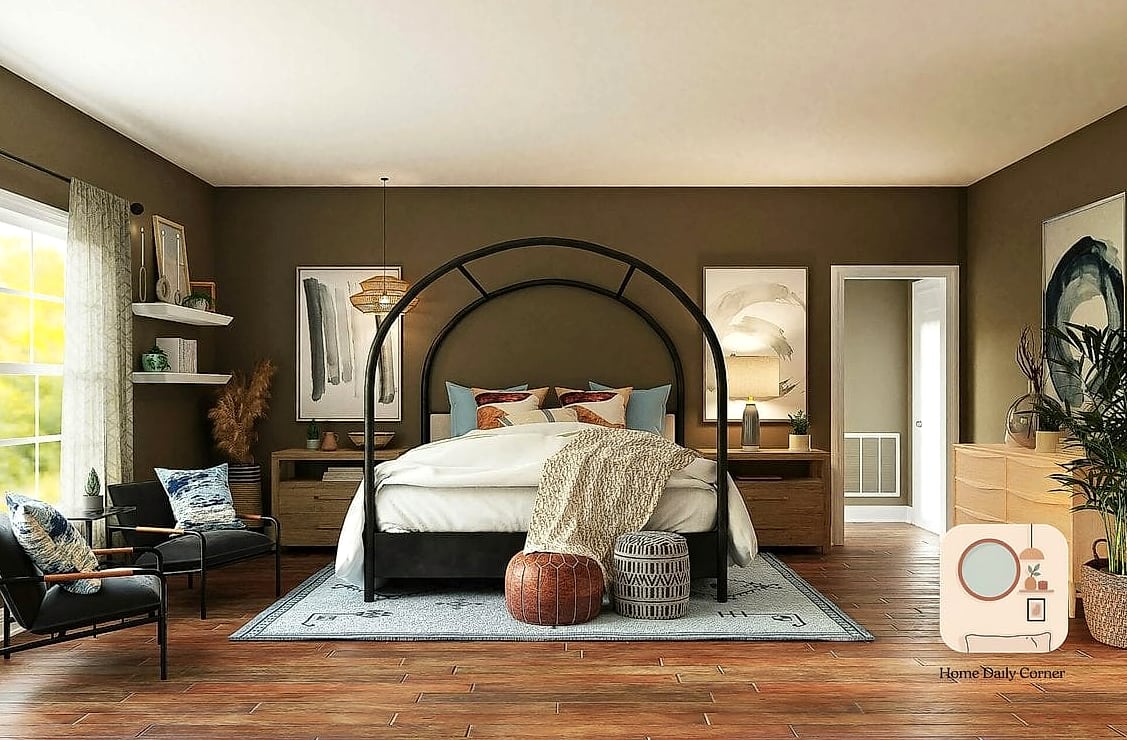
Open shelves next to the bed or above a desk area give you a spot to display books, framed photos, and small plants without committing to a full bookcase. They keep the room feeling curated rather than cluttered, as long as you resist the urge to overfill them.
Floating shelves are simple to install with basic anchors, and they’re a good renter-friendly option since patching a few small holes is easy at move-out. Group items in odd numbers and vary the heights for a more natural, less staged look.
Choose a Canopy or Four-Poster Bed for Drama
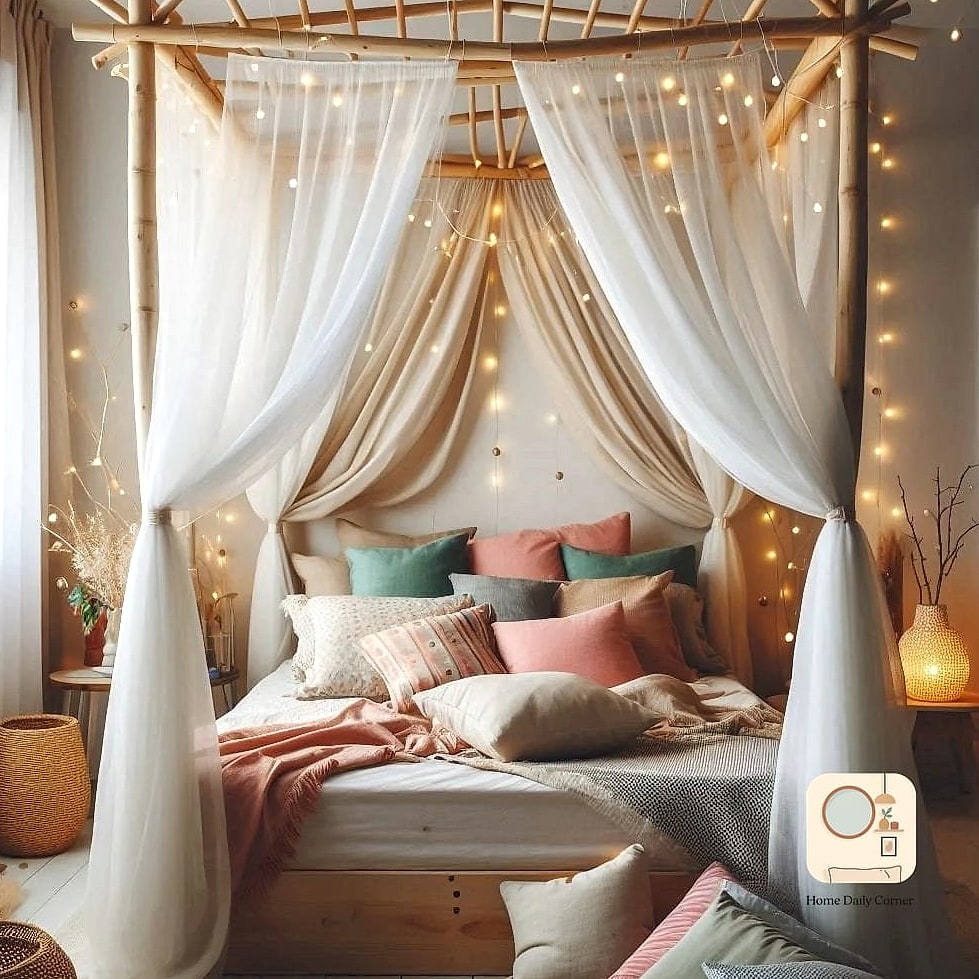
If you want your bed to feel like the star of the room, a canopy or four-poster frame does that instantly. Wrought iron frames lean moody and traditional, while a light wood four-poster feels more relaxed and coastal.
This works best in rooms with at least eight-foot ceilings so the frame doesn’t feel cramped. On a budget, you can DIY a canopy effect with a simple curtain rod mounted above the bed and sheer fabric draped over it.
Add Greenery for a Softer, More Lived-In Feel
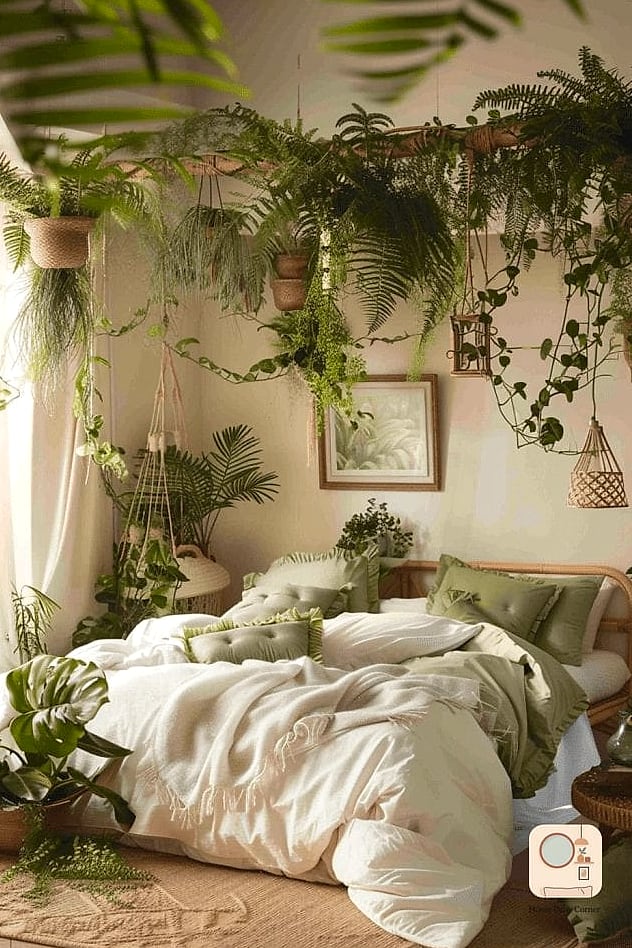
A plant or two brings life into a room that otherwise leans heavily on furniture and fabric. Low-light bedrooms do well with pothos, snake plants, or ZZ plants, all of which are nearly impossible to kill even if you forget them for a couple of weeks.
Designers often place a taller plant in an empty corner and a smaller one on a nightstand or dresser for balance. If you don’t trust yourself with real plants, a good quality faux fiddle leaf fig gets you a similar visual effect with zero maintenance.
Use a Gallery Wall to Personalize the Space
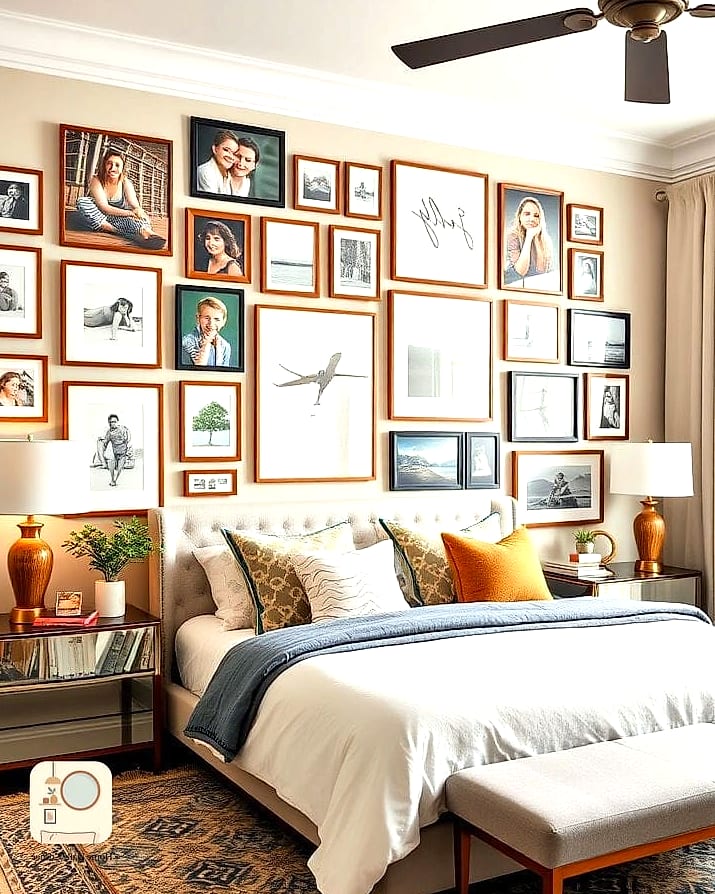
A cluster of framed art, photos, and mirrors above the bed or dresser adds personality fast. Mix frame sizes and finishes rather than matching everything exactly, it reads more curated and less like a kit you bought off the shelf.
Lay the arrangement out on the floor first, then use painter’s tape on the wall to map spacing before you commit to any nail holes. Command strips work fine for lightweight frames if you’re renting and don’t want to deal with patching.
Add a Bench or Ottoman at the Foot of the Bed
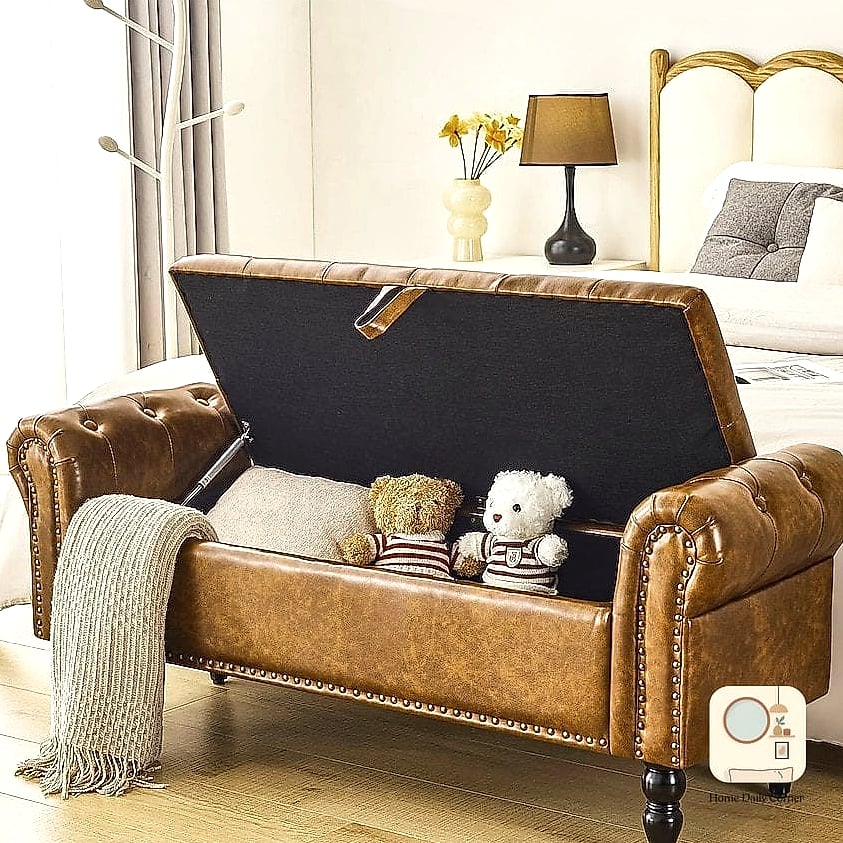
This small addition gives you a spot to sit while putting on shoes and adds visual weight to an area of the room that often feels empty. An upholstered bench softens a room full of hard furniture, while a woven or rattan option leans more casual.
Beyond looks, it’s genuinely useful for tossing throw pillows at night or laying out tomorrow’s outfit. Choose a bench with a bit of storage underneath if your bedroom is tight on space.
Layer Bedding for a Hotel-Style Look
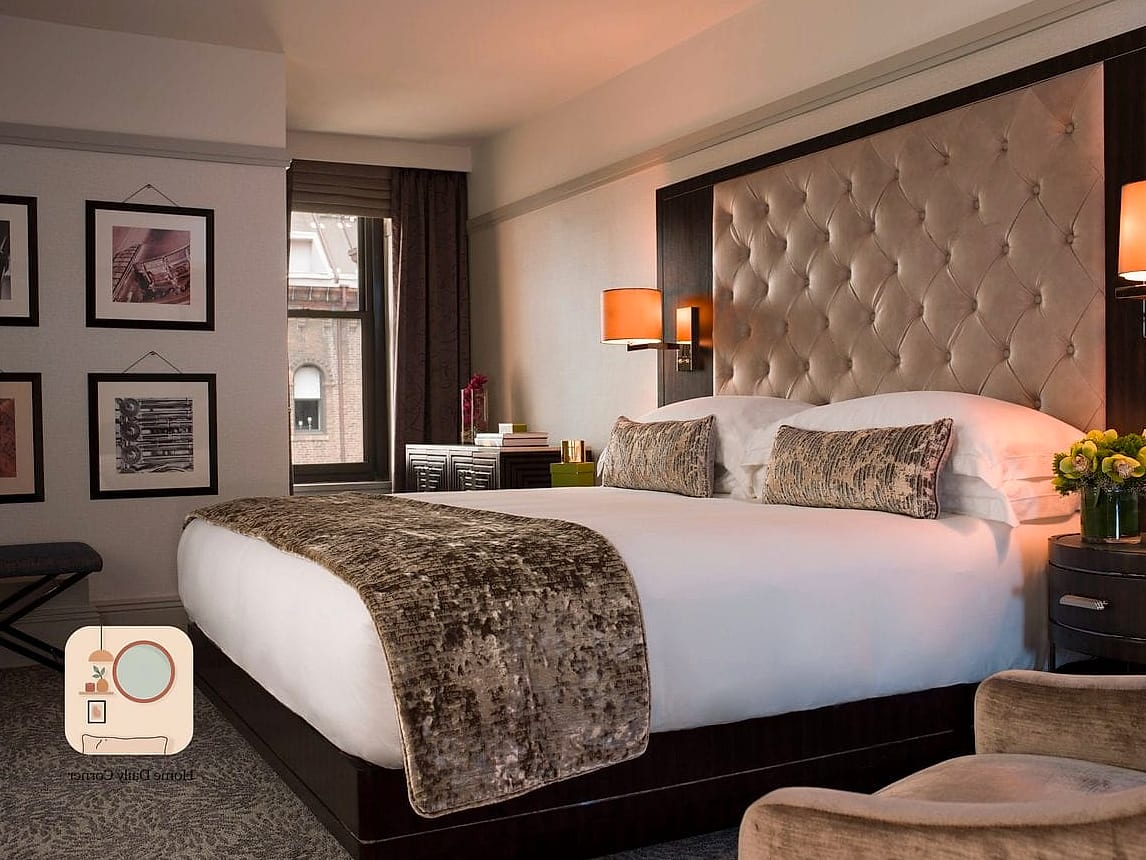
The trick to that expensive, made-up bed look is layering: a fitted sheet, a duvet or coverlet, then a folded throw blanket, then pillows stacked by size, euro shams in back, standard pillows in front, and a couple of accent pillows on top.
Stick to two or three coordinating colors instead of a matchy-matchy set to avoid it looking too staged. Linen and cotton percale are breathable, low-maintenance choices that also happen to be easier to keep wrinkle-free than heavier fabrics.
Paint the Ceiling for an Unexpected Twist
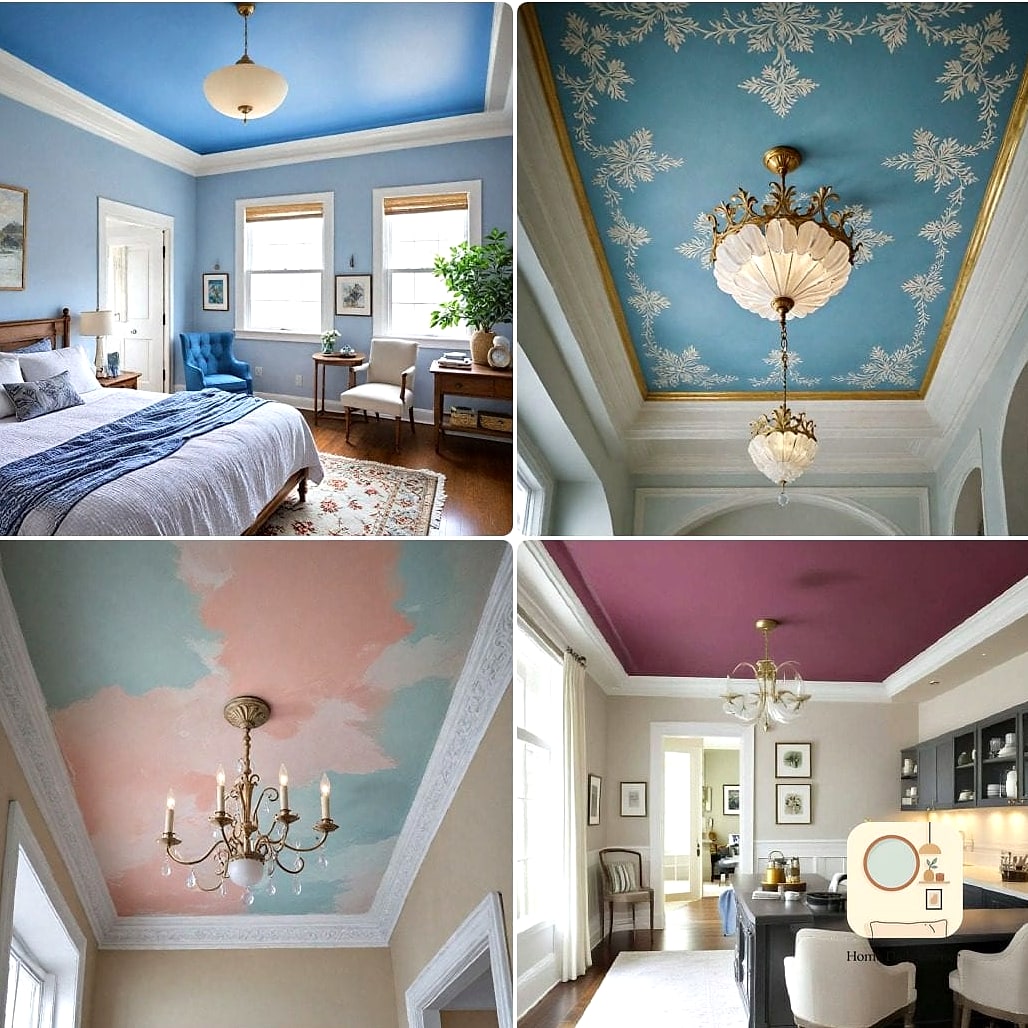
A painted ceiling, sometimes called a “fifth wall,” adds coziness and a little surprise to an otherwise standard bedroom. A soft color like sage or dusty blue feels calming, while a deep, saturated tone like navy makes the room feel intimate and cocoon-like at night.
This is a bigger commitment than most ideas on this list, so test a sample swatch on the ceiling itself before fully committing, ceiling paint reads differently than wall paint due to lighting angles. Budget-conscious version: paint just the crown molding or a small section for a subtler effect.
Use Baskets and Bins for Hidden Storage
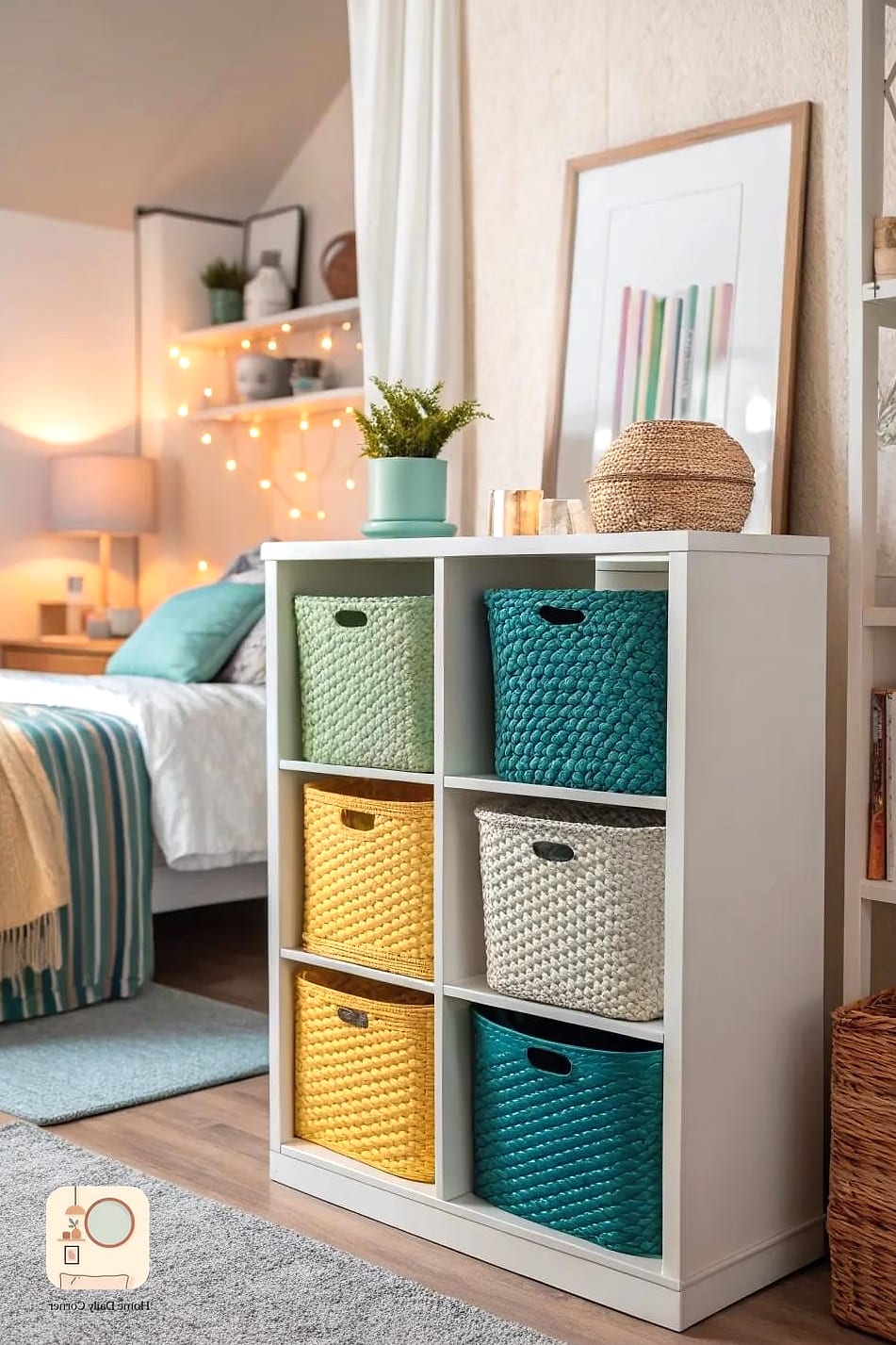
Woven baskets under the bed or on open shelving hide the everyday clutter, extra blankets, shoes, seasonal items, without making the room feel like a storage unit. They add texture too, which is a nice contrast against smoother furniture finishes.
Under-bed storage bins with lids work well if you want protection from dust, while open baskets are better for things you grab often, like slippers or a spare throw blanket. Label them if you’re the type who forgets what’s where after a few months.
Add a Vanity or Small Desk for a Multi-Use Space
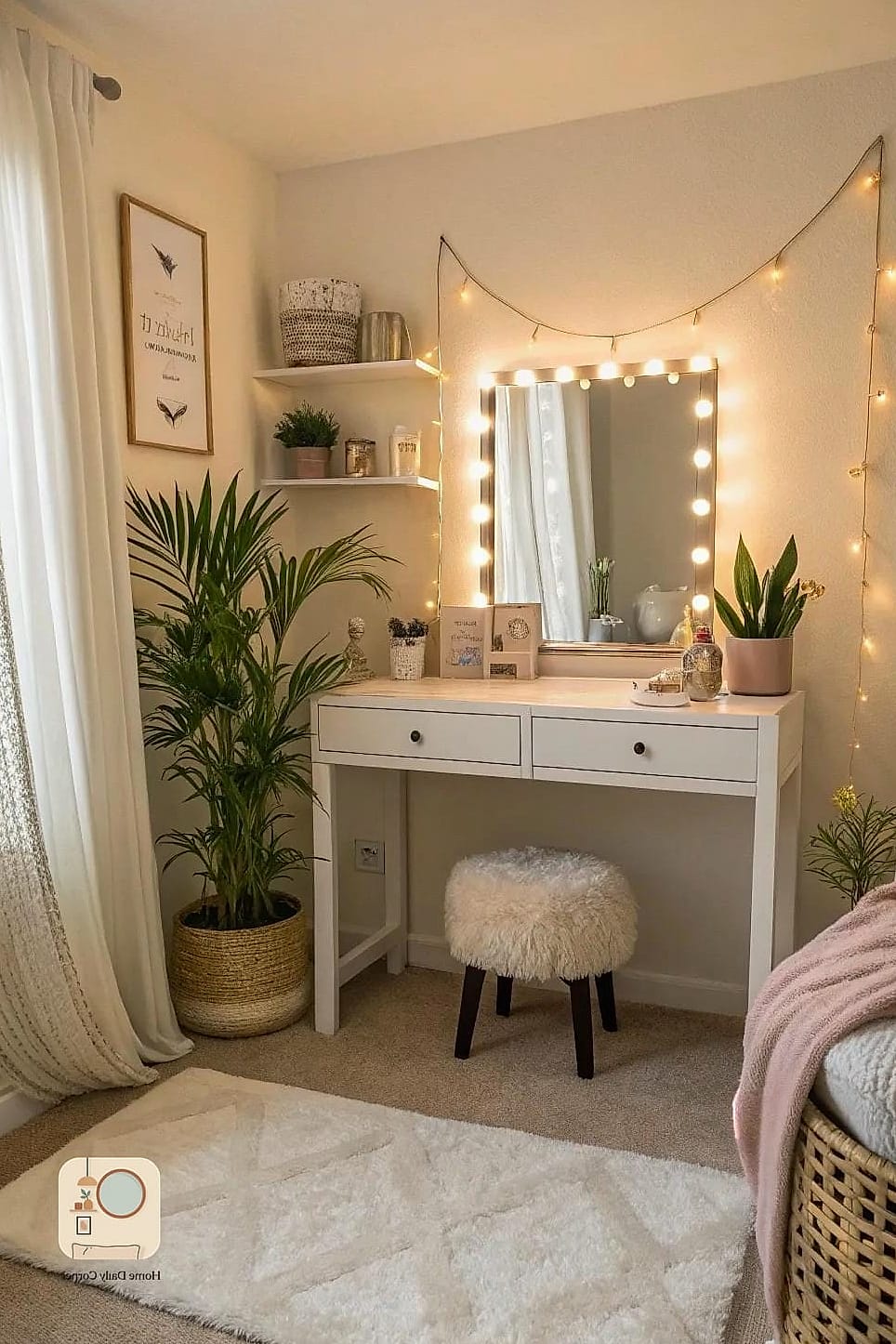
If your bedroom doubles as a getting-ready space or a quiet workspot, a small vanity or narrow desk earns its keep. A slim console table with a mirror above it works in tighter rooms, while a proper vanity with a stool suits larger layouts.
Keep the surface mostly clear, a tray for daily essentials, a small lamp, and maybe one plant is plenty. Overloading this spot defeats the purpose of having a dedicated area in the first place.
Choose Matte Finishes Over Glossy for a Calmer Feel
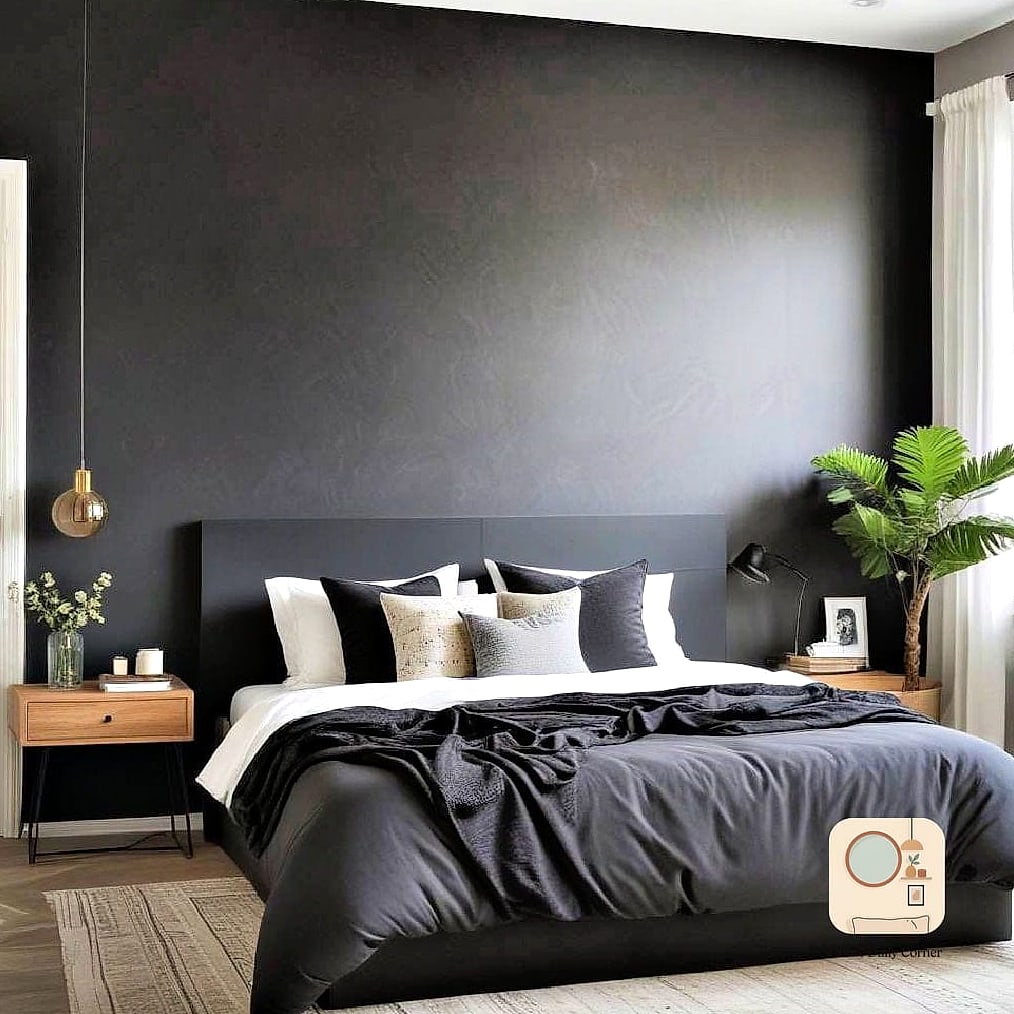
Matte paint, matte black hardware, and matte finish furniture all contribute to a softer, less reflective look that feels more restful than anything glossy or high-shine. This is part of why so many designer bedrooms feel quiet and grounded rather than flashy.
Matte paint does show marks more easily than eggshell or satin, so it’s worth keeping a touch-up can on hand if you have kids or pets. For furniture, matte lacquer or a raw wood finish both fit this aesthetic well.
Incorporate a Window Seat or Daybed if Space Allows
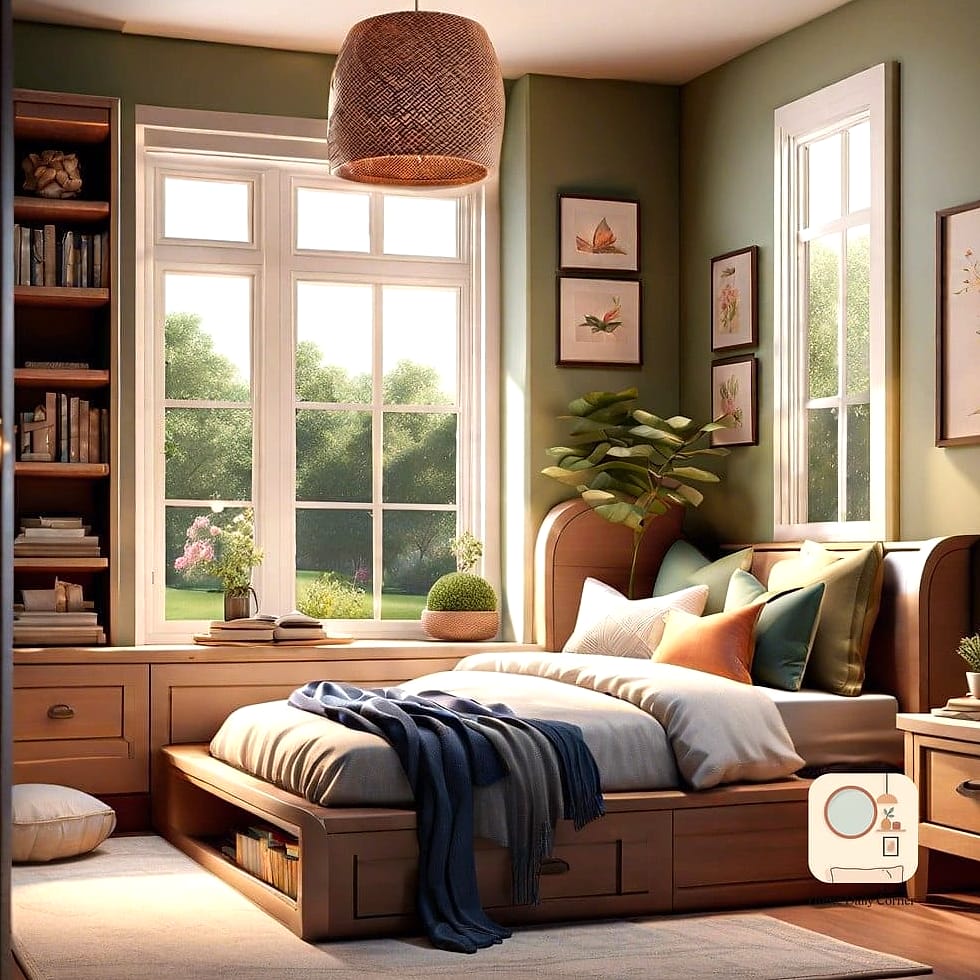
A window seat turns wasted space into one of the coziest spots in the house. Built-in versions with storage underneath are ideal if you’re already renovating, but a simple daybed pushed against a window achieves nearly the same effect without construction.
Add a few floor cushions and a soft throw to make it inviting rather than purely decorative. This idea works especially well in bedrooms with good natural light or a decent view worth sitting near.
Add Wall Sconces to Free Up Nightstand Space
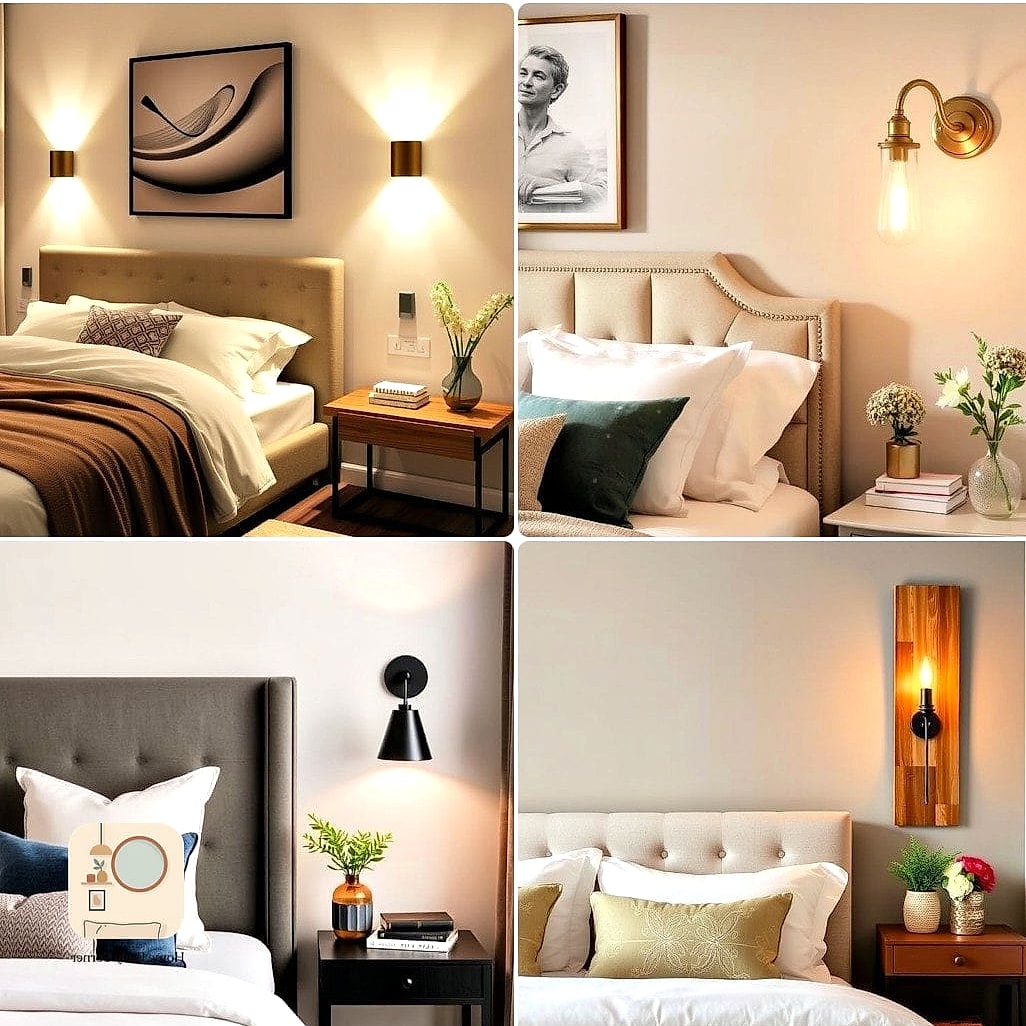
Swapping table lamps for wall-mounted sconces above or beside the bed clears up nightstand real estate for books, a water glass, and whatever else tends to pile up. It also gives the room a more architectural, custom feel.
Plug-in sconces are the easiest route if you don’t want to deal with hardwiring, and they’re fully renter-friendly. Look for ones with a swing arm if you like to read in bed, so you can angle the light exactly where you need it.
Bring in Seasonal Decor to Keep the Room Feeling Fresh
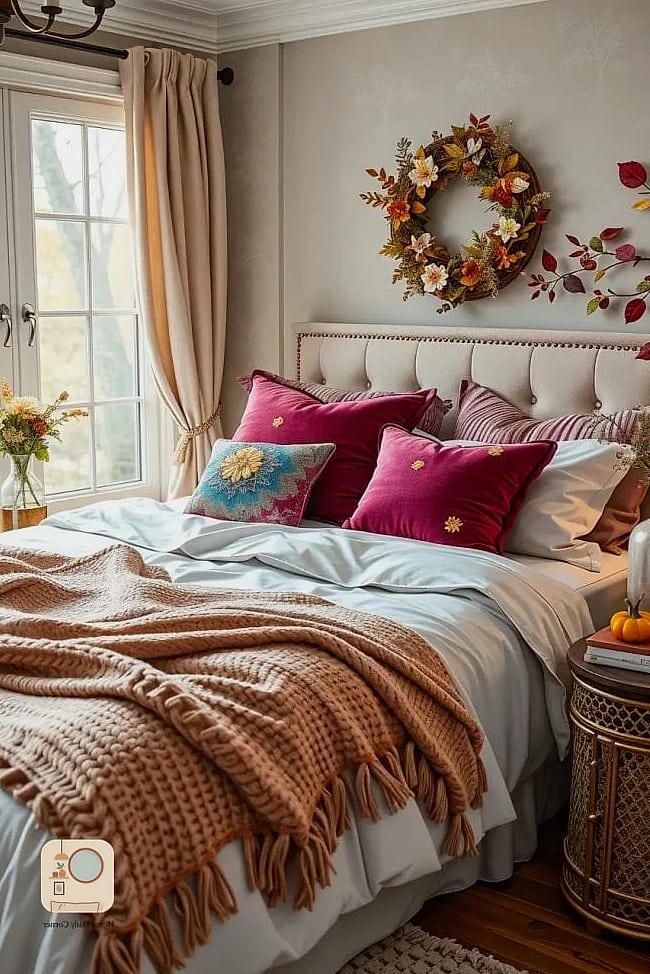
A bedroom that stays exactly the same year-round can start to feel stale, even if it’s well-designed. Swapping a throw blanket, a few pillow covers, or the scent of a candle with the seasons keeps things feeling current without any real cost or effort.
Heavier textures like wool and flannel suit fall and winter, while linen and lighter cottons feel right in spring and summer. This is one of the easiest ways to keep a bedroom feeling intentional all year without redecorating from scratch.
Rounding out this list, the common thread across all 22 room decor ideas bedroom designers use is that none of them require a full renovation. Small, thoughtful changes, better lighting, a few new textures, smarter storage, add up to a space that actually feels like it was designed on purpose. Start with one or two that fit your budget and layout, then build from there.